


Have you ever wondered if your cordless drill could work underwater? Maybe you’re planning a unique project or just curious about the limits of your tools.
It’s not as simple as it sounds. Using a cordless drill underwater could either save you time or cause unexpected problems. Keep reading to discover what really happens when you take your drill beneath the surface—and how to protect your tools and yourself if you decide to try it.
This knowledge could change the way you approach your next DIY task.
Cordless Drills Basics
Cordless drills are popular tools for many tasks. They offer freedom of movement without a cord. Understanding their basics helps to know their strengths and limits. This knowledge is useful when thinking about using them underwater or in wet conditions.
How Cordless Drills Work
Cordless drills run on batteries. These batteries power an electric motor inside the drill. The motor turns a chuck that holds drill bits or screwdrivers. Users control the speed and torque with a trigger. The absence of a power cord allows easy use anywhere.
Battery types vary, with lithium-ion being common. They provide good power and last longer. Charging is simple with a separate charger. The drill’s design protects most parts from dust and debris.
Common Uses And Limitations
Cordless drills drill holes and drive screws. They are handy for home repairs and building projects. People use them in wood, metal, plastic, and drywall. They also work well in tight spaces without power outlets.
Limits include battery life and power level. Heavy-duty tasks might need corded drills. Cordless drills are not made for wet or underwater use. Water can damage the motor and battery. This makes their use underwater risky and often unsafe.
Water And Electronics
Water and electronics do not mix well. Water can cause many problems for electronic devices. It can stop them from working or even damage them permanently. Understanding how water affects electronics is important, especially for cordless drills.
Effects Of Water On Electrical Devices
Water can create short circuits inside electronic devices. It allows electricity to flow in places it should not. This can cause the device to stop working or become unsafe.
Corrosion is another problem. Water can cause metal parts inside the device to rust. Rust weakens the parts and can lead to failure over time.
Even small amounts of water can cause damage. Moisture can collect inside the device and cause long-term issues. Electronics are not made to handle water exposure.
Risks Of Using Power Tools In Wet Conditions
Using power tools like cordless drills in wet places is risky. Water can cause electric shock to the user. This is very dangerous and can lead to injury.
The tool may stop working suddenly due to water damage. This can cause accidents or incomplete work. Wet conditions also make the tool slippery and hard to hold.
Many power tools are not designed for wet use. Using them underwater or in wet areas can void warranties. It can also shorten the tool’s life.
Cordless Drills Underwater
Using a cordless drill underwater is a question many wonder about. Water and power tools usually do not mix well. Knowing what happens to a cordless drill when submerged helps avoid damage and danger. This section explains how cordless drills behave underwater and what risks the battery and motor face.
What Happens When Submerged
A cordless drill is not designed to work underwater. Water can enter the drill’s body and cause short circuits. The drill may stop working immediately or fail later. Water inside the drill can rust metal parts and damage electrical connections. Using a drill underwater often leads to permanent damage.
Also, water pressure can affect the drill’s structure. The seals and casing are not made to keep water out under pressure. This makes the drill vulnerable to leaks. Even a small amount of water inside can cause the drill to malfunction.
Battery And Motor Concerns
The battery is the most sensitive part when underwater. Water can cause the battery to short circuit or leak harmful chemicals. This can be dangerous and may cause fires or explosions.
The motor also faces problems. Water can wash away the grease inside the motor. This leads to increased friction and wear. The motor may seize up or stop working altogether. Electric components inside the motor can corrode when exposed to water.
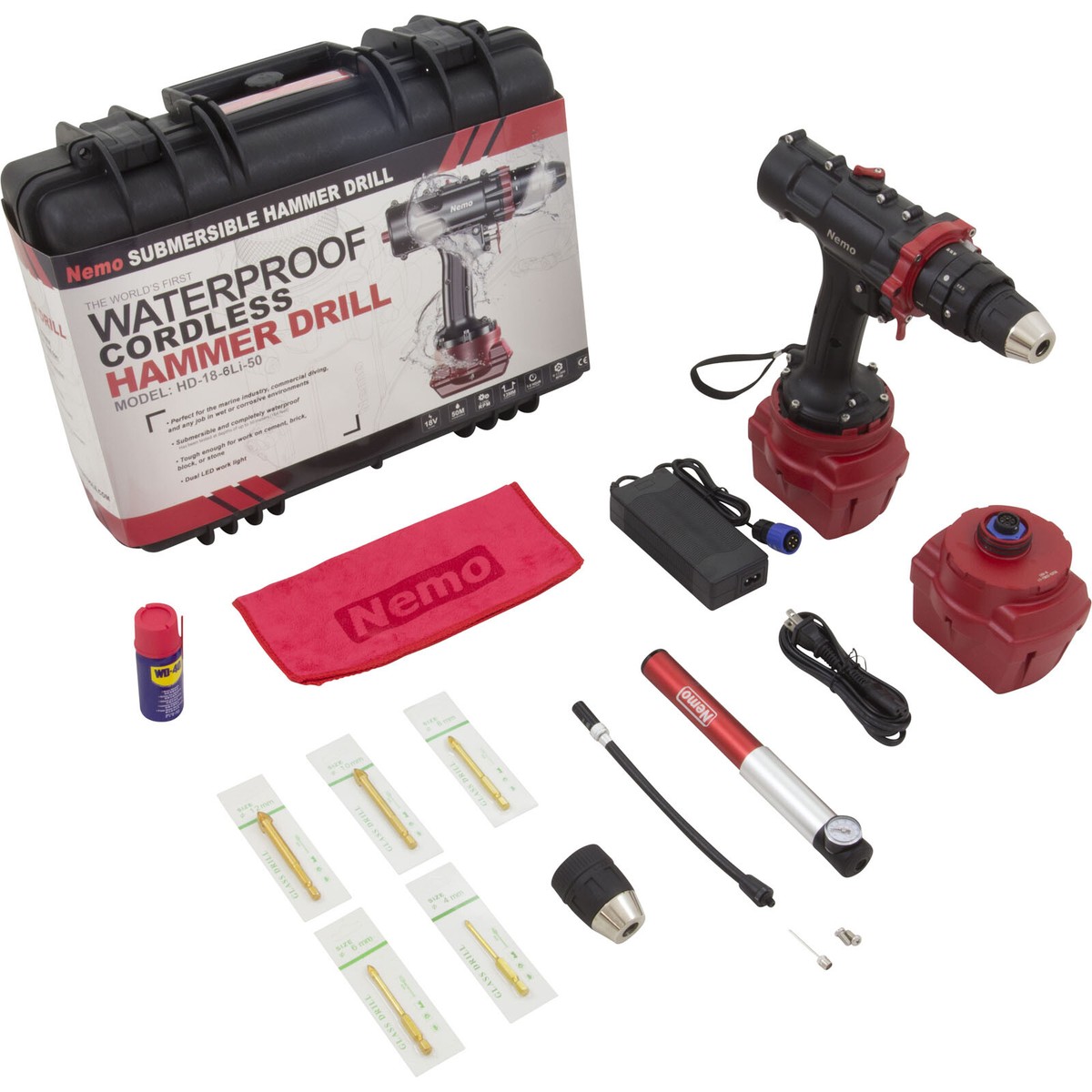
Using a cordless drill underwater is risky. It can damage the tool and pose safety hazards. Special waterproof tools are better for underwater use.
Credit: www.ebay.com
Safety Hazards
Using a cordless drill underwater carries serious safety hazards. Water and electricity usually do not mix well. This can cause risks to both the user and the tool. Understanding these hazards helps prevent accidents and damage. Safety is the top priority when considering underwater use of power tools.
Electric Shock Risks
Water is a good conductor of electricity. If a drill is not fully waterproof, water can reach the electrical parts. This creates a risk of electric shock. Even cordless drills with batteries can be dangerous if water leaks inside. The chance of a short circuit or shock increases under water.
Damage To The Drill
Most cordless drills are not designed for underwater use. Water can damage the motor and battery. Internal parts may rust or corrode over time. This reduces the drill’s life and performance. Repairing water damage can be expensive or impossible.
User Safety Tips
Always use tools designed for wet environments. Wear rubber gloves and boots to reduce shock risk. Keep the drill dry before and after use. Check for cracks or damage on the drill casing. Never operate the drill while submerged unless it is rated for underwater use.
Specialized Waterproof Drills
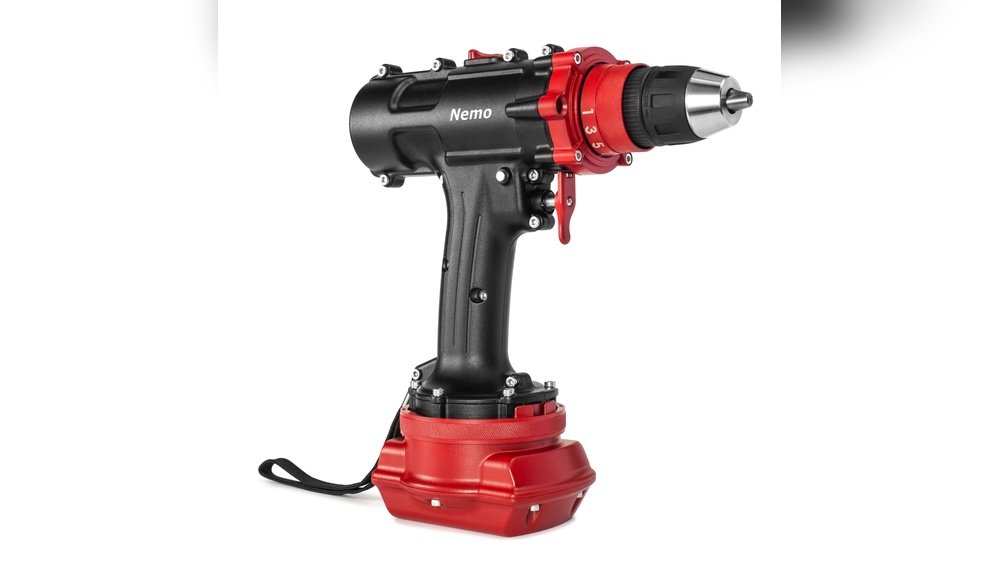
Specialized waterproof drills are built to work in wet and underwater conditions. These drills allow users to perform tasks in places where water is present. They are different from regular cordless drills because of their design and materials. Waterproof drills help avoid damage from water and keep the tool functioning well. They are perfect for jobs near pools, boats, or wet construction sites.
Features Of Waterproof Cordless Drills
Waterproof cordless drills have sealed motors to prevent water entry. Their battery compartments are tightly closed to stop moisture. These drills often use rust-resistant materials like stainless steel. They come with special coatings to protect internal parts. The switches and buttons are designed to keep water out. Some models have extra grip to hold well with wet hands. They also provide reliable power even when damp.
When To Choose A Waterproof Model
Choose a waterproof drill for jobs in wet environments. Use them near water pipes, pools, or boats. They are good for outdoor work in rainy weather. Waterproof drills help avoid electric shock risks. They reduce tool breakdowns caused by moisture. Pick them for underwater repairs or marine tasks. These drills save time by working without drying the area first.

Credit: www.hydropool.com
Alternatives For Underwater Drilling
Drilling underwater needs special tools. Normal cordless drills do not work well in water. Water can harm the drill’s motor and battery. This section explores safe alternatives for underwater drilling. These options help work efficiently and safely below the surface.
Manual Tools
Manual tools like hand drills or brace drills work without electricity. They use human power to turn the drill bit. These tools are simple and safe underwater. They do not risk electric shock or damage from water. Manual drilling takes more time but offers control and safety.
Air-powered Drills
Air-powered drills use compressed air instead of electricity. They work well underwater since air does not conduct electricity. These drills are common in diving and underwater repair. They provide good power and speed. Operators must use proper air supply and safety gear.
Other Safe Options
Hydraulic drills use fluid pressure to turn the drill bit. They perform well underwater and offer strong power. Hydraulic systems require special pumps and hoses. Diamond-tipped bits help drill through hard surfaces underwater. Choosing the right tool depends on the job and depth.
Maintenance After Exposure
Maintaining a cordless drill after it has been exposed to water is crucial. Water can damage the tool’s internal parts and reduce its life. Proper care after use keeps the drill safe and working well.
Cleaning And Drying Techniques
Start by wiping the drill with a dry cloth. Remove all dirt and moisture on the surface. Use a soft brush to clean small holes and crevices.
Do not use strong chemicals or sprays on the drill. Let the drill air dry in a warm place. Avoid direct sunlight or heat sources that can warp plastic parts.
Open the battery compartment and remove the battery. Dry the battery separately and check for any signs of damage.
Preventing Long-term Damage
Apply a light oil to metal parts to stop rust. Avoid using too much oil as it can attract dust. Store the drill in a dry, cool place to prevent moisture build-up.
Check the drill regularly for rust or corrosion. Replace any damaged parts quickly to avoid bigger problems. Keep the battery charged and clean for better performance.
Credit: nemopowertools.com
Frequently Asked Questions
Can A Cordless Drill Safely Operate Underwater?
No, standard cordless drills are not designed for underwater use. Water can damage electrical components and cause short circuits, making it unsafe and ineffective to operate a cordless drill underwater.
What Happens If A Cordless Drill Gets Wet?
If a cordless drill gets wet, water can seep into its motor and battery. This may cause corrosion, electrical failure, and permanent damage, reducing its lifespan and performance.
Are There Cordless Drills Made For Underwater Use?
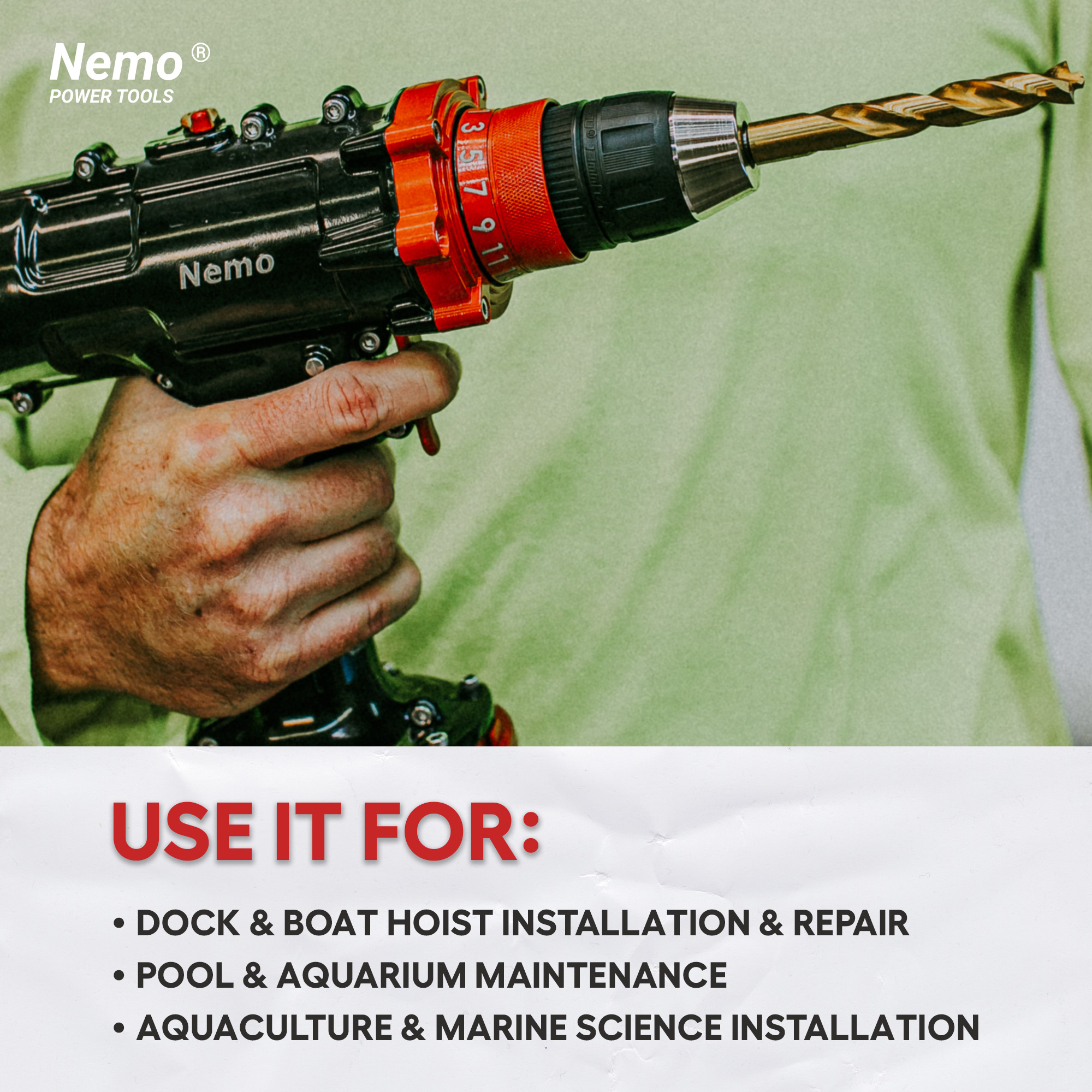
Specialized underwater drills exist but are rare and expensive. These drills have waterproof seals and insulation designed to prevent water damage during underwater tasks.
Can Water Resistance Protect A Cordless Drill Underwater?
Water resistance helps protect against splashes but does not guarantee underwater functionality. Most cordless drills are not waterproof and will fail if fully submerged.
Conclusion
Cordless drills are not designed to work underwater. Water can damage the drill’s motor and battery quickly. Using a drill underwater can cause short circuits or rust. Special waterproof tools exist for underwater tasks. Always choose the right tool for safety and efficiency.
Remember, protecting your tools saves money and time. Avoid using cordless drills in wet conditions to keep them working longer. Safety should always be your top priority on any job.
