


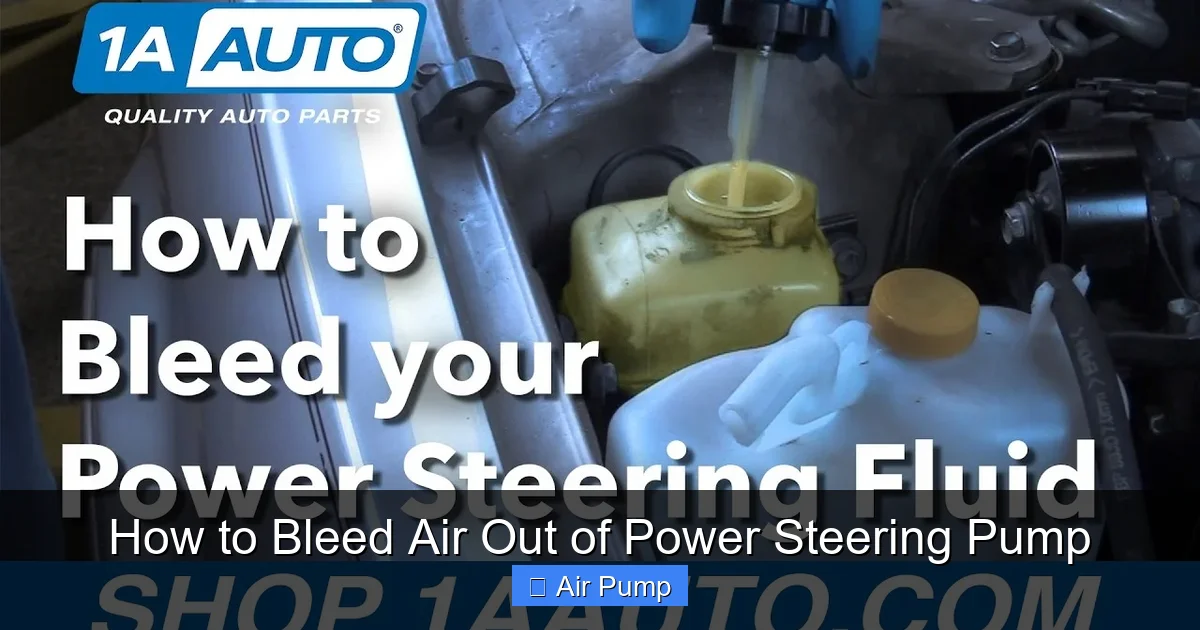
Bleeding air from your power steering pump is essential for maintaining smooth steering performance. This guide walks you through simple steps to remove trapped air, ensuring your system works efficiently and lasts longer. Whether you’re a DIY enthusiast or a beginner, you’ll find clear instructions to get the job done right.
Key Takeaways
- Properly bleeding air prevents steering noise and difficulty: Air in the system can cause squealing noises and stiff steering, so bleeding is crucial.
- Always ensure the engine is off before starting: Safety first — disconnect the battery if needed and let the engine cool.
- Use the correct procedure for your vehicle: Different models may have specific bleeding methods; consult your owner’s manual if available.
- Check fluid levels regularly: Low fluid can introduce air and cause damage, so top it off before and after bleeding.
- Be patient and methodical: Bleeding air can take a few minutes; don’t rush the process for best results.
- Address leaks promptly: Leaks can reintroduce air, so inspect hoses and connections during and after bleeding.
Introduction
If your power steering feels stiff, noisy, or unresponsive, trapped air could be the culprit. Air in the power steering pump or fluid lines can disrupt hydraulic pressure, making steering difficult. Bleeding air from your power steering pump is a simple maintenance task that can restore smooth, effortless steering. In this guide, you’ll learn how to safely and effectively remove air from your power steering system, whether you’re doing routine maintenance or fixing a leak.
Understanding Why Air Gets Trapped
Air can enter the power steering system through various ways:
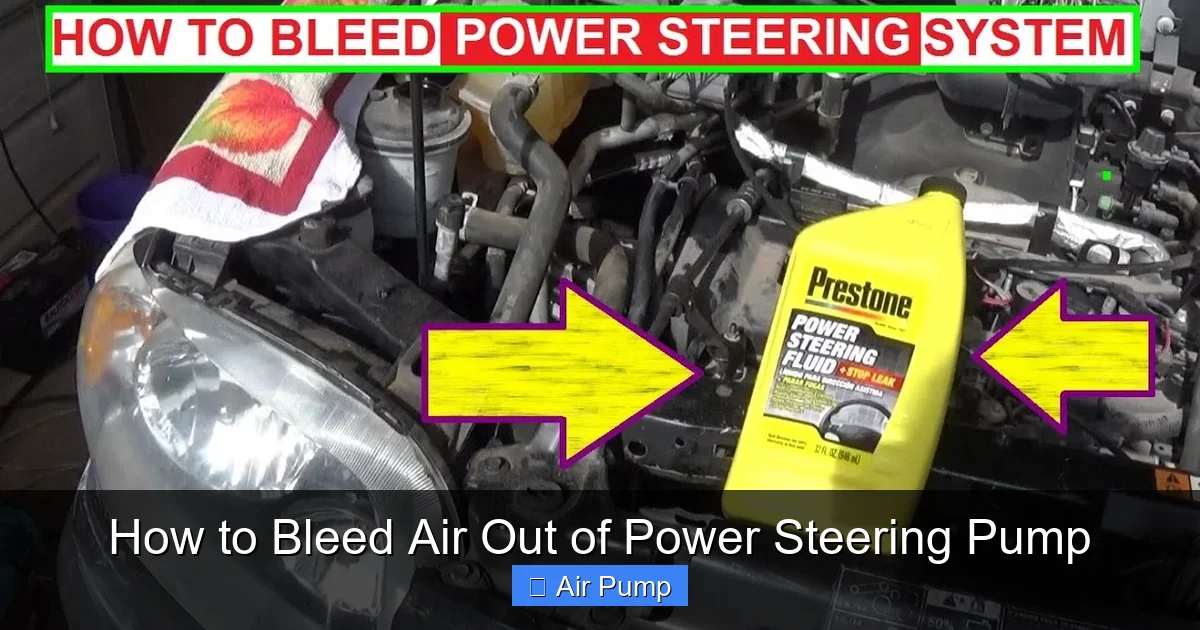
Visual guide about How to Bleed Air Out of Power Steering Pump
Image source: i.ytimg.com
- Low fluid levels: When fluid is low, air can be drawn into the system.
- Leaks: Cracked hoses or fittings allow air to enter.
- Servicing or fluid change: Opening the system can introduce air if not properly bled.
Once air is in the system, it can cause noises, stiff steering, and uneven wear. Bleeding the system removes this trapped air and restores normal operation.
Tools and Materials Needed
- Power steering fluid: Use the recommended type for your vehicle.
- Wrench set: To loosen fittings if needed.
- Clear hose: For bleeding procedures (if applicable).
- Drain pan: To catch any excess fluid.
- Clean rags or towels: For cleanup.
- Owner’s manual: For specific instructions related to your vehicle.
Step-by-Step Guide to Bleed Air Out of Power Steering Pump
Step 1: Prepare Your Vehicle
Park your vehicle on a level surface. Turn off the engine and set the parking brake. Open the hood and locate the power steering reservoir. Consult your owner’s manual if you’re unsure where it is.
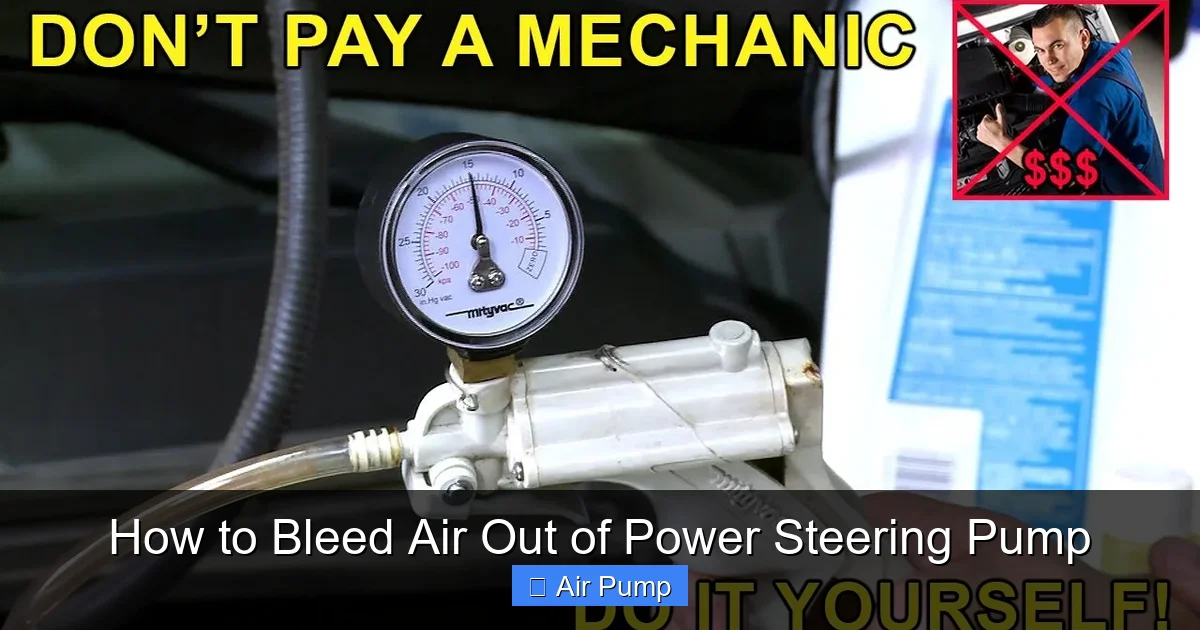
Visual guide about How to Bleed Air Out of Power Steering Pump
Image source: i.ytimg.com
Tip: Wear gloves and safety glasses to protect yourself from fluid spills.
Step 2: Check and Top Off Power Steering Fluid
- Remove the reservoir cap.
- Check the fluid level using the dipstick or markings on the reservoir.
- If low, add the recommended power steering fluid until it reaches the proper level.
Ensure you do not overfill. Excess fluid can cause foaming and air entrapment.
Step 3: Turn on the Engine and Set the Steering Wheel
- Start the engine and let it idle.
- Turn the steering wheel fully to the left, then to the right, several times. Do this slowly to circulate the fluid and help expel trapped air.
- Important: Do this with the engine running to build hydraulic pressure.
This movement helps push air towards the reservoir and out of the system.
Step 4: Bleed the System by Loosening the Bleed Valve or Fitting
Note: Not all vehicles have a dedicated bleed valve. If yours does, follow these steps:
- Locate the bleed screw or valve on the power steering pump or hose.
- Attach a clear hose to the valve if available, and place the other end into a drain pan.
- Slowly loosen the valve or fitting. Fluid and air bubbles will escape.
- Have an assistant turn the steering wheel back and forth gently as you do this.
If your vehicle does not have a bleed valve:
- Skip to the next step and proceed with turning the steering wheel to purge air.
Step 5: Remove Air by Turning the Steering Wheel
- Keep the engine running.
- Slowly turn the steering wheel from lock to lock (full left to full right). Do this several times—about 10-15 turns.
- Watch for air bubbles escaping from the bleed valve or reservoir opening.
This process helps push trapped air out of the system and back into the reservoir for removal.
Step 6: Refill and Recheck Fluid Levels
- Turn off the engine.
- Check the power steering fluid level again and top off if necessary.
- Replace the reservoir cap securely.
High-quality, compatible fluid ensures proper lubrication and prevents air re-entry.
Step 7: Final Test Drive and Inspection
- Start the engine and turn the steering wheel in both directions to ensure smooth operation.
- Listen for any noises or resistance indicating remaining air.
- Inspect hoses and fittings for leaks.
If the steering feels stiff or noisy, repeat the bleeding process or check for leaks and low fluid levels.
Practical Tips for Effective Bleeding
- Be patient: It may take several attempts to fully remove trapped air.
- Use the correct fluid: Always follow your vehicle manufacturer’s recommendations.
- Check for leaks: Air can re-enter the system through leaks, so inspect hoses, fittings, and the pump regularly.
- Maintain fluid levels: Regularly check and top off to prevent air from entering.
Troubleshooting Common Issues
- Steering remains stiff after bleeding: Verify fluid levels, check for leaks, or consider replacing worn components.
- Unusual noises during operation: Air may still be trapped, or the pump could be faulty. Repeat the bleeding process or have a professional inspect the pump.
- Fluid leaks: Tighten fittings or replace damaged hoses to prevent re-entrance of air.
Conclusion
Bleeding air out of your power steering pump is a simple but crucial maintenance task. Properly removing trapped air ensures your steering remains smooth, quiet, and responsive. Regular checks and timely bleeding can extend the life of your power steering system and improve driving comfort. Follow these steps carefully, and don’t hesitate to seek professional help if issues persist. Keep your steering system healthy for safer, easier driving!
