


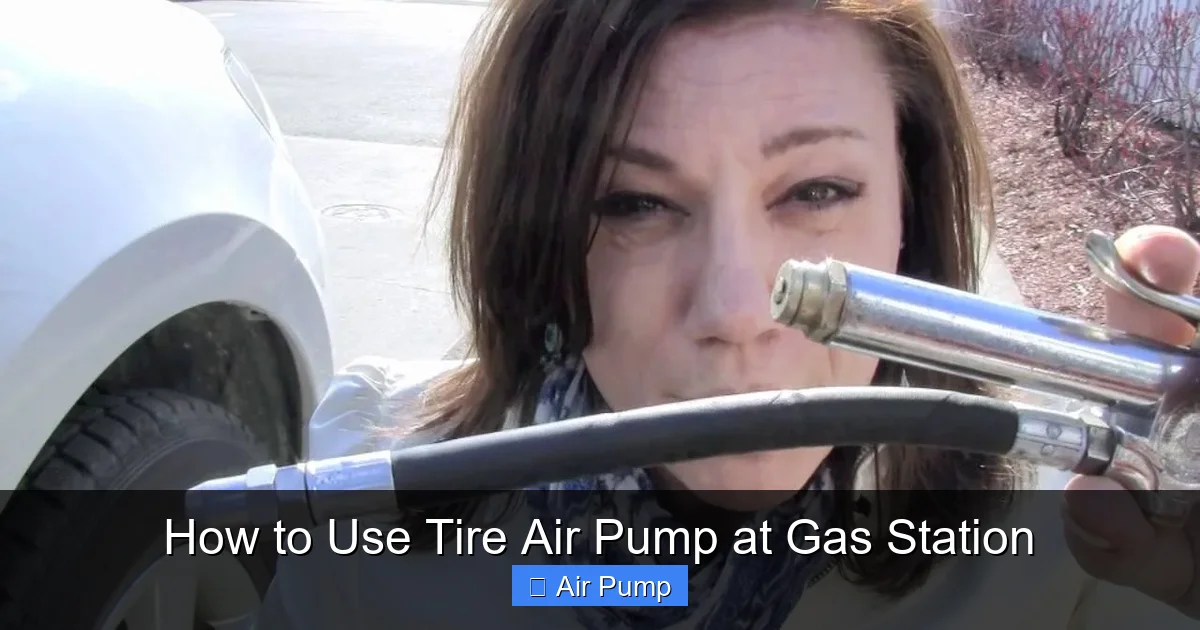
Using a tire air pump at a gas station is easy once you know the steps. This guide will walk you through each part of the process, from checking your tire pressure to finishing up. Whether you’re a beginner or need a quick refresher, you’ll learn how to inflate your tires safely and correctly.
Key Takeaways
- Check your tire pressure: Use a gauge to know how much air your tires need before adding any air.
- Locate the air pump: Find the air station at the gas station, usually near the fuel pumps or in a dedicated area.
- Prepare the pump: Make sure the pump is working and understand its controls before starting.
- Attach the nozzle correctly: Securely connect the air hose to your tire valve to prevent leaks.
- Inflate your tires: Add air gradually, checking pressure often to avoid over-inflation.
- Finish and check: Remove the nozzle, replace the valve cap, and recheck your tire pressure to ensure accuracy.
- Safety tips: Always follow instructions, stay aware of your surroundings, and don’t over-inflate.
Introduction
If you’ve ever driven to a gas station and noticed your tire pressure is low, you might wonder how to use the station’s tire air pump. Don’t worry—it’s straightforward once you know the steps. Properly inflating your tires not only keeps your vehicle safe but also improves fuel efficiency and extends tire life. In this guide, you’ll learn exactly how to use a tire air pump at a gas station, from checking pressure to finishing up safely.
Step 1: Prepare Before Using the Air Pump
Check Your Tire Pressure
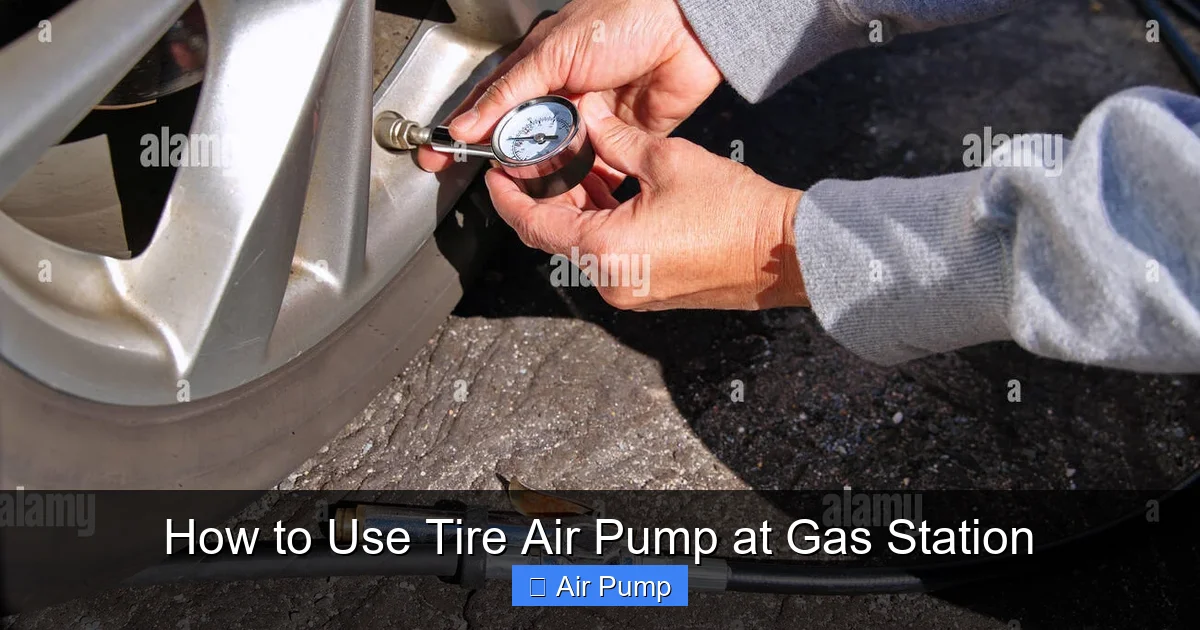
Before adding air, it’s essential to know your tire’s current pressure. Use a reliable tire pressure gauge, which you can often find at the gas station or purchase separately. Remove the valve cap from the tire you plan to inflate. Press the gauge onto the valve stem, ensuring a snug fit to get an accurate reading.
Visual guide about How to Use Tire Air Pump at Gas Station
Image source: c8.alamy.com
Tip: Check all tires, including the spare if applicable, to ensure they’re properly inflated. Your vehicle’s recommended pressure is usually listed in the owner’s manual or on a sticker inside the driver’s door.
Identify the Correct Tire and Pressure
Make note of how much air your tire needs. If the pressure is below the recommended PSI (pounds per square inch), you’re ready to add air. If it’s already at or above the recommended level, don’t add more to avoid over-inflation.
Step 2: Locate and Prepare the Air Pump
Find the Air Station
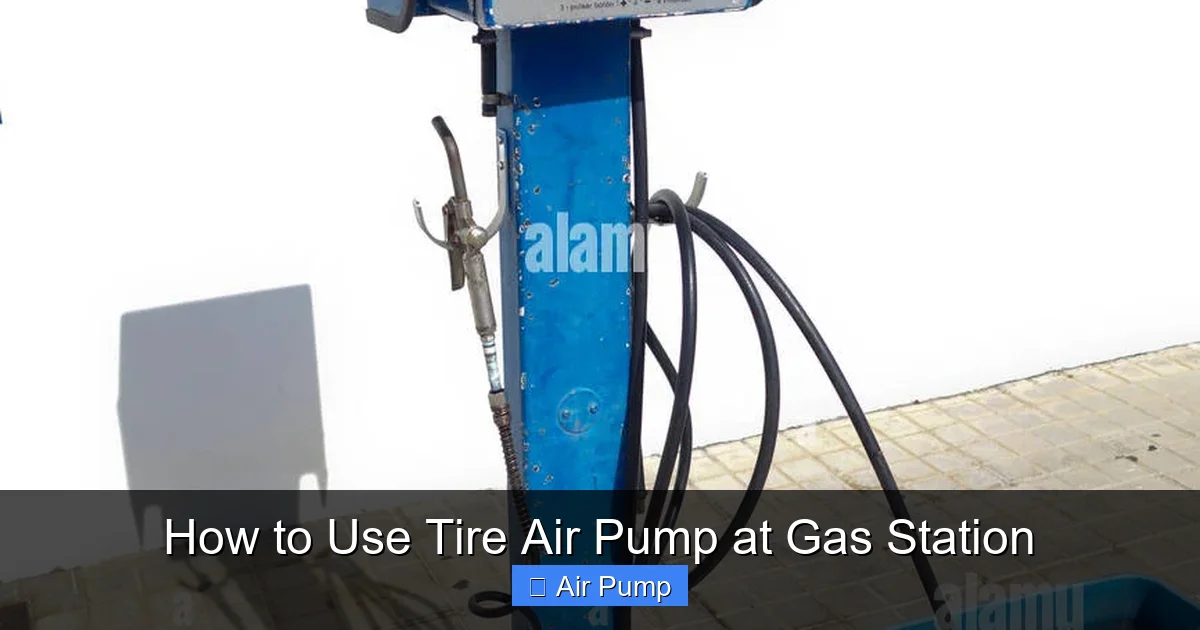
Most gas stations have dedicated air pumps, often located near the fuel pumps or in a separate area. Look for signs marked “Air” or “Tire Inflation.” Some stations have multiple pumps; choose one that’s clean and easy to access.
Visual guide about How to Use Tire Air Pump at Gas Station
Image source: c8.alamy.com
Inspect the Equipment
Check if the air pump is functioning properly. Look for a power switch, a pressure gauge, and a hose with a nozzle. If the pump has a card reader or coin slot, prepare your payment method. Modern stations might also accept mobile payments.
Step 3: Attach the Nozzle to Your Tire
Connect the Hose Securely
Remove the valve cap from your tire. Take the nozzle from the air pump and firmly press it onto the valve stem. You should hear a slight click or feel resistance, indicating it’s attached properly. Ensure the connection is airtight to prevent leaks.
Tip: Keep the nozzle straight and centered on the valve stem for a tight seal.
Lock the Nozzle (if applicable)
Some pumps have a lever on the nozzle that you need to flip down to lock it in place. This prevents air from escaping while inflating. If your pump doesn’t have this feature, hold the nozzle steady manually.
Step 4: Inflate the Tire
Begin Adding Air
Activate the pump by pressing the start button, foot pedal, or inserting coins or card, depending on the station’s system. The pressure gauge on the pump will usually start to rise as air enters the tire.
Monitor the Pressure
Periodically stop to check the pressure with your handheld gauge or observe the pump’s built-in gauge if available. This helps prevent over-inflation. Add air in small increments, especially if your tires are significantly underinflated.
Practical tip: Inflate your tires to the recommended PSI, then recheck with your own gauge for accuracy.
Stop When the Correct Pressure is Reached
Once your tire reaches the recommended PSI, turn off the pump. Carefully detach the nozzle from the valve stem, making sure no air escapes. Quickly replace the valve cap to protect the valve from dirt and debris.
Step 5: Final Checks and Safety Tips
Recheck Tire Pressure
After inflating, use your own tire gauge to verify the pressure. This ensures accuracy and confirms you’ve achieved the correct level.
Inspect for Leaks or Damage
Look for hissing sounds or a sudden drop in pressure, which could indicate a leak. If you suspect damage, consider visiting a mechanic.
Repeat for All Tires
Repeat the process for each tire that needs air, including the spare if you have one. Proper inflation across all tires ensures balanced handling and safety.
Troubleshooting Common Issues
- Pump not turning on: Check for power sources, coins, or card payment. If still not working, try another pump or station.
- Air escaping at the connection: Ensure the nozzle is securely attached and locked in place. Reattach and try again.
- Incorrect pressure reading: Use your own gauge to verify. The station’s gauge may be inaccurate or malfunctioning.
- Over-inflation: If you accidentally over-inflate, release some air by pressing the valve stem with a tool or the back of a pen.
Conclusion
Inflating your tires at a gas station is a quick and easy process once you know the steps. Remember to check your tire pressure regularly, use the right tools, and follow safety tips. Properly inflated tires lead to safer driving, better fuel economy, and longer tire life. Next time you visit a gas station, you’ll feel confident in using the tire air pump like a pro!
Additional Tips
- Carry a portable tire pressure gauge in your car for quick checks on the go.
- Inflate your tires when they’re cold for the most accurate readings.
- Be mindful of station signs and instructions—they vary slightly between stations.
