


If you’ve ever used a gas station air pump without a built-in gauge, you know it can be tricky to get the right tire pressure. This guide will show you easy, practical methods to use an air pump without a gauge effectively. From understanding tire pressure to practical tips, you’ll learn how to keep your tires properly inflated for safety and fuel efficiency.
How to Use Gas Station Air Pump Without Gauge
Filling your tires at the gas station is usually quick and easy, especially with an automatic air pump. But what if the station doesn’t have a built-in gauge? Don’t worry — you can still inflate your tires properly with some simple techniques. In this guide, we’ll teach you how to use a gas station air pump without a gauge effectively, ensuring your tires are safe, efficient, and long-lasting.
Key Takeaways
- Understanding Tire Pressure: Know the recommended PSI for your tires to avoid over or under-inflation.
- Use of a Portable Pressure Gauge: Always have a reliable handheld gauge for accurate readings.
- Estimating Pressure Without a Gauge: Learn visual and tactile cues to judge tire pressure when no gauge is available.
- Incremental Inflation: Add air gradually, stopping frequently to check pressure or assess firmness.
- Practical Tips: Use the valve core or finger test to gauge inflation level when no gauge is available.
- Troubleshooting: Recognize signs of over- or under-inflation and how to correct them safely.
Introduction: Why Proper Tire Inflation Matters
Maintaining the correct tire pressure is vital for your vehicle’s safety, fuel economy, and tire longevity. Under-inflated tires can cause poor handling and increased wear, while over-inflated tires risk blowouts and a harsh ride. Usually, gas stations have air pumps with built-in gauges to help you get the right pressure. But sometimes, these gauges are broken, missing, or you simply forget to check. That’s when knowing how to use an air pump without a gauge becomes useful.
In this guide, we’ll explore practical methods to inflate your tires accurately without relying on a built-in gauge. Let’s get started!
Step 1: Know Your Tire’s Recommended PSI
Check Your Vehicle’s Manual or Tire Sidewall
Before you start, find out the recommended PSI (pounds per square inch) for your tires. Usually, this info is on a sticker inside the driver’s door or in your vehicle’s manual. If not, look at the sidewall of your tire; it displays the maximum PSI, but this is not the recommended pressure for everyday driving.
Visual guide about How to Use Gas Station Air Pump Without Gauge
Image source: tools-zone.com
Tip: Always follow the manufacturer’s recommended PSI, not the maximum listed on the tire.
Step 2: Gather Your Tools
Essential Items
- Portable Tire Pressure Gauge: A small, handheld device that gives an accurate reading.
- Air Pump Adapter: Usually included with the gas station pump.
- Optional: Tire Inflator with a built-in gauge if you want extra accuracy.
Having your own pressure gauge makes it easier to check your tires after inflation, especially when the gas station lacks a gauge.
Visual guide about How to Use Gas Station Air Pump Without Gauge
Image source: c8.alamy.com
Step 3: Use the Gas Station Air Pump
Connect the Pump
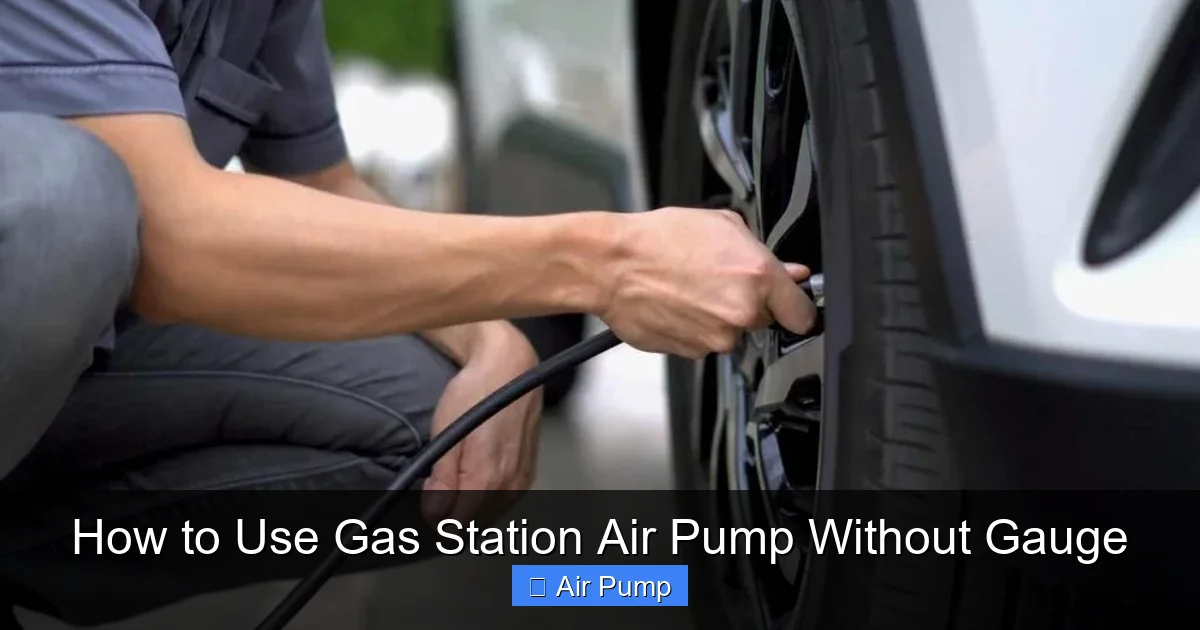
Park your vehicle close to the air pump. Remove the valve cap from your tire’s valve stem. Attach the pump’s nozzle securely onto the valve stem. Ensure it’s tight enough to prevent air leaks but not so tight that it damages the valve.
Start the Pump and Inflate
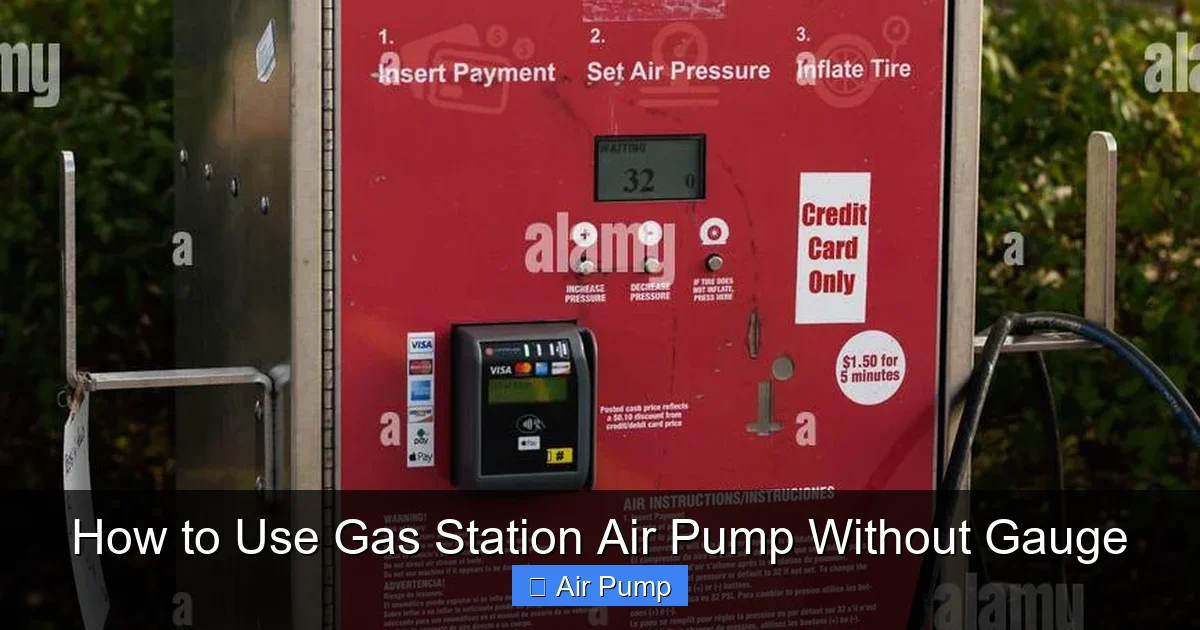
Turn on the pump. Many pumps run continuously; others are automatic. If it’s manual, you’ll need to hold the nozzle in place. Inflate the tire gradually, listening to the sound of the air flow.
Tip: Do not just fill the tire to the maximum pressure on the sidewall — stick to the recommended PSI for your vehicle.
Step 4: How to Inflate Without a Gauge — Practical Techniques
Method 1: Use a Hand or Finger Test
This simple method involves feeling the tire’s firmness to approximate proper inflation.
- After inflating for a few seconds, press firmly on the tire with your hand or finger.
- Compare the firmness to a properly inflated tire (if you’ve checked your other tires or previous experience).
- If it feels soft or squishy, add more air. If it’s very firm and hard, stop.
Note: This method isn’t precise but can help you get close enough for safe driving.
Method 2: The ‘Pinch Test’
Use your thumb and forefinger to pinch the sidewall of the tire. You should be able to feel some give but not too much. A firm tire indicates proper inflation.
Practice on a tire that’s already properly inflated to get a feel for the correct firmness.
Method 3: Incremental Inflation and Visual Cues
Inflate in small steps, stopping periodically to assess the tire’s shape and appearance.
- Look for a smooth, rounded shape without noticeable bulges or dips.
- Check for even contact patch with the ground.
- Use the tire’s side profile as a guide: the tire should be slightly rounded, not flattened or overly convex.
Once you’re satisfied with the shape and firmness, you can stop inflating.
Step 5: Confirm the Tire Pressure
Using a Portable Pressure Gauge
After inflating, remove the nozzle and immediately check the pressure with your handheld gauge. Adjust accordingly by adding or releasing air.
Repeat until you reach the recommended PSI.
If you don’t have a gauge, rely on the tactile and visual cues described earlier, but remember they are approximate.
Step 6: Final Checks and Safety Tips
- Replace Valve Caps: Always screw the valve cap back on to prevent dirt and debris from entering.
- Recheck Pressure: It’s good practice to recheck your tire pressure after a few miles of driving.
- Inflate All Tires: Don’t forget the spare tire if your car has one.
Troubleshooting Common Issues
Over-Inflated Tires
If your tire feels excessively hard or bouncy, it may be over-inflated. Release some air by pressing the valve pin gently with a small tool or key.
Under-Inflated Tires
Soft or squishy tires indicate low pressure. Add air gradually, checking your tactile cues or using a gauge.
Air Leaks
If air escapes quickly after inflating, check the valve stem and nozzle connection. Tighten or replace faulty valves if needed.
Conclusion: Inflate Safely and Effectively
While it’s ideal to have a gauge for perfect accuracy, you can still safely inflate your tires without one using the techniques above. Remember to know your tire’s recommended PSI, inflate gradually, and check your tires’ firmness visually or tactually. This approach ensures your tires are well-maintained, prolonging their life and keeping you safe on the road.
Next time you’re at the gas station without a gauge, try these methods and drive confidently knowing your tires are properly inflated!
