


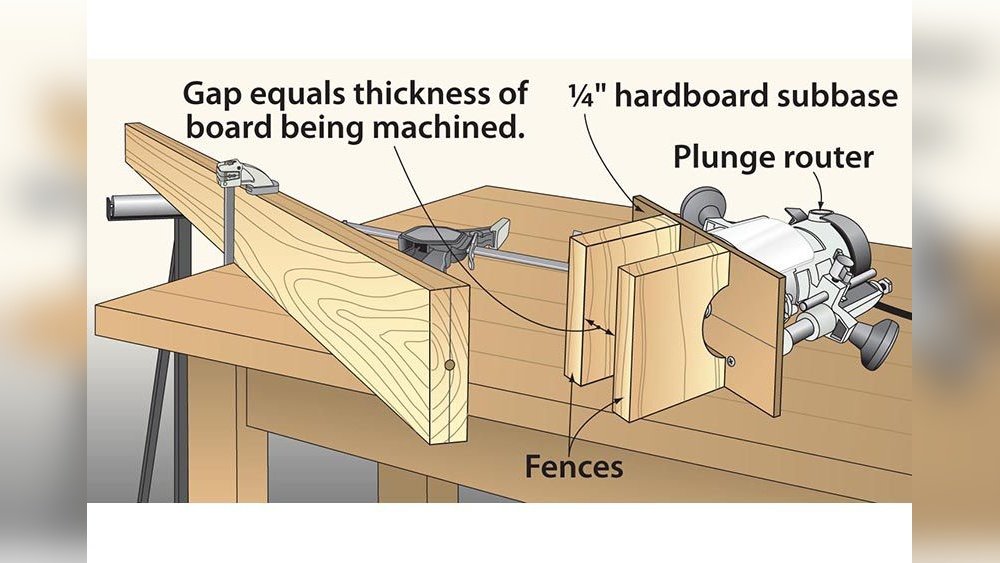
Have you ever wondered if your plunging router can double as a drill press? If you’re looking to save space, cut costs, or just get more out of your tools, this question might have crossed your mind.
You’re not alone—and the answer might surprise you. You’ll discover the truth about using a plunging router as a drill press, the pros and cons, and what you need to know before trying it yourself. Keep reading to find out if this tool hack can really work for you.
Plunging Router Basics
A plunging router is a popular woodworking tool. It helps cut, shape, and hollow out wood. Unlike fixed-base routers, it can move up and down. This ability makes it versatile for many tasks.
Understanding its basics is important before using it as a drill press. The design and functions are different from a drill press. Knowing what a plunging router can do helps decide if it fits your needs.
Key Features
A plunging router has a motor mounted on a base. The motor slides vertically, allowing depth control. It has a spring mechanism to return to the start position. This lets users start cuts inside the wood easily. Depth adjustments are precise and can be locked in place. The tool often includes speed controls for different materials. It uses router bits, not drill bits, for cutting shapes.
Common Uses
Plunging routers create grooves, dadoes, and decorative edges. They carve out precise shapes and patterns in wood. They can hollow out areas for hardware installation. Many use them for making joints in furniture. They also trim laminates and flush edges. It is not mainly designed for drilling straight holes. The tool excels in shaping more than just boring.
:max_bytes(150000):strip_icc()/100504850-2a3633d5fa454e58be8066d546e1333f.jpg)
Credit: www.woodmagazine.com
Drill Press Essentials
A drill press is a powerful tool found in many workshops. It helps to drill holes with high precision. Unlike handheld drills, it keeps the drill steady. This steadiness makes it easier to work on tough materials. Understanding the key parts and uses of a drill press helps to see if a plunging router can replace it.
Core Functions
A drill press holds the drill bit firmly in place. It moves the bit up and down in a straight line. This action creates clean, accurate holes. The speed and depth can be adjusted. It also clamps the workpiece to avoid movement. These features give consistent results every time.
Typical Applications
Drill presses drill holes in wood, metal, and plastic. They are great for making furniture, metal parts, and crafts. They also help in countersinking screws and tapping threads. This tool is useful for repetitive tasks that need exact holes. It is common in both home and professional workshops.
Comparing Plunging Router And Drill Press
Comparing a plunging router and a drill press helps understand their unique roles. Both tools serve different purposes in woodworking and metalworking. Knowing these differences helps choose the right tool for your project.
Design Differences
A plunging router has a motor that moves up and down. This lets you start cutting inside the material. The base is flat and slides on the work surface.
A drill press has a fixed motor and a vertical spindle. The spindle holds the drill bit and moves straight down. The base is sturdy to keep the tool stable.
Functionality Contrast
A plunging router shapes edges, cuts grooves, and carves patterns. It works well on wood, plastic, and soft metals. You can control the depth of cut easily.
A drill press makes precise holes in wood, metal, and other materials. It offers steady speed and pressure for clean holes. The depth stop controls how deep the hole goes.

Credit: www.reddit.com
Adapting A Router For Drilling
Adapting a router for drilling is possible with the right tools and setup. A plunging router can perform some drilling tasks if you prepare it correctly. This approach saves space and money by using one tool for multiple jobs. Proper adaptation ensures safety and better results.
Required Accessories
To use a router for drilling, certain accessories are necessary. A drill bit compatible with the router is essential. Look for collets that fit the bit size securely. A drill press table or a stable base helps keep the router steady. Clamps are useful to hold the workpiece firmly. Safety goggles protect your eyes from debris.
Setup Tips
Begin by attaching the correct drill bit to the router’s collet. Check that the bit is tight and straight. Adjust the plunge depth to control how deep the hole will be. Secure the router on a drill press table or a solid surface. Use clamps to prevent movement during drilling. Always test on scrap wood to ensure accuracy. Keep hands clear of the bit while operating the router.
Safety Measures
Using a plunging router as a drill press can be helpful but risky. Safety measures are very important to avoid accidents and injuries. Taking the right steps keeps your work safe and smooth. Follow simple safety rules to protect yourself and your tools.
Handling Precautions
Always hold the router firmly with both hands. Make sure the base is stable before starting. Keep your fingers away from the bit. Wear safety glasses to protect your eyes from flying debris. Use hearing protection to reduce noise damage. Check the bit for tightness before use. Never force the tool; let it work at its own speed. Turn off the router before changing bits or making adjustments. Keep the work area clean and clear of obstacles.
Common Risks
Bits can break or come loose if not secured well. The router may kick back if it hits a hard spot. Dust and small particles can cause breathing problems. Loud noise can damage hearing over time. Poor stability can cause the tool to slip or fall. Loose clothing or jewelry can get caught in moving parts. Lack of focus increases the chance of mistakes and injuries. Electric shock is possible if the tool or cord is damaged.
Performance And Limitations
Using a plunging router as a drill press offers some interesting possibilities. It can handle certain tasks well but also shows clear limits. Understanding the performance and limits helps decide when this tool fits your project.
Accuracy Considerations
A plunging router can deliver decent accuracy. Its plunge mechanism allows controlled depth, which is helpful for drilling holes. Still, the router’s base is not as stable as a drill press table. Small movements can affect hole placement and size. For tasks needing high precision, a drill press is more reliable. Marking and clamping workpieces firmly improves router accuracy.
Power And Speed
Routers have strong motors built for high speed. This speed can be too fast for some drilling jobs. Drill presses offer adjustable speeds that suit various materials. A router’s power can handle wood, plastic, and soft metals but may struggle with harder metals. Using the right bit and controlling feed speed helps avoid overheating. For heavy drilling, a drill press provides better power control and consistency.
Alternative Solutions
Using a plunging router as a drill press is not always the best choice. The tool may lack precision and safety features. Luckily, there are other options made for drilling tasks. These alternatives can offer better control and accuracy. They help complete your projects faster and with less hassle.
Dedicated Drill Press Options
A dedicated drill press is built specifically for drilling holes. It has a stable base and adjustable speed settings. This tool keeps your drill bit steady and straight. You can easily control the depth of each hole. Many models come with safety guards and clamps for your material. This makes drilling safer and more accurate than using a router.
Other Versatile Tools
Some tools serve many purposes, including drilling. A handheld drill with a drill stand can offer more control. Drill stands hold the drill steady, similar to a drill press. You can find cordless drills with adjustable speed and torque settings. These tools are portable and easy to use. A drill guide is another option that helps keep holes straight. These versatile tools can meet most drilling needs without buying a drill press.
Credit: www.reddit.com
Frequently Asked Questions
Can A Plunging Router Replace A Drill Press?
A plunging router cannot fully replace a drill press. Routers lack the precise depth control and stability needed for drilling. They are designed for cutting, not consistent vertical drilling tasks.
What Are The Limitations Of Using A Router As A Drill Press?
Routers lack depth stop accuracy and may cause uneven holes. Their bit rotation speed differs from drill presses, affecting drill bit performance and hole quality.
How To Safely Use A Plunging Router For Drilling?
Use a router with proper clamps and a drill bit designed for routers. Always control plunge speed and depth carefully to avoid damage or injury.
When Is A Drill Press Better Than A Router?
For precise, repeatable, and deep holes, a drill press is ideal. It offers stability, adjustable speeds, and accurate depth control that routers cannot match.
Conclusion
A plunging router can work like a drill press in some cases. It offers control for making straight holes. But it may lack the precision and stability of a real drill press. For small projects, it can be a handy tool.
Safety matters too—always secure your work before starting. Consider your needs and tool limits before using a router this way. This choice depends on your project and skill level. A good plan helps you get the best results.
