

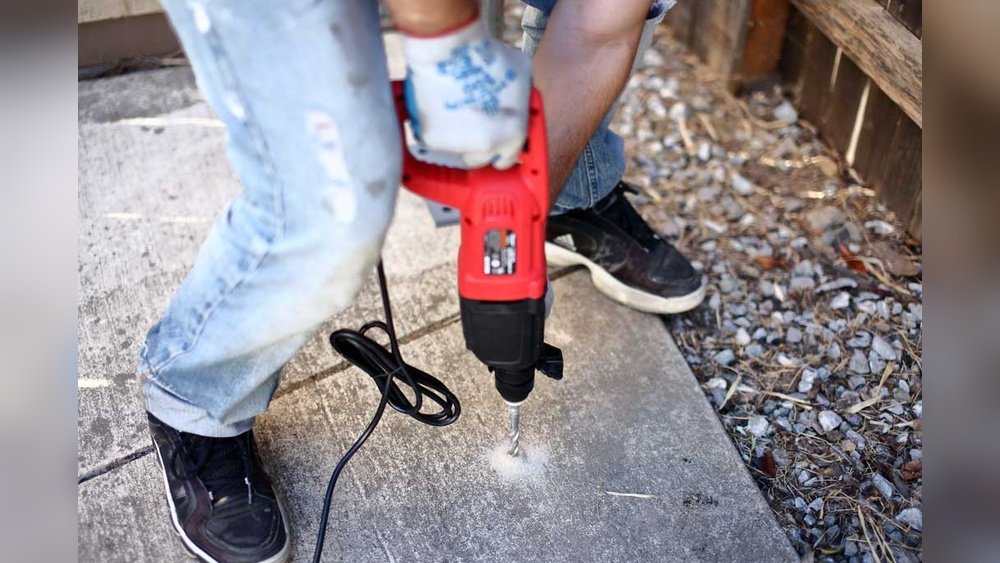
Are you facing the tough job of breaking up concrete and wondering if a hammer drill is the right tool for the task? You might have one handy and want to save time and money by using it.
But before you start, it’s important to know exactly what a hammer drill can and can’t do. Using the wrong tool can make your work harder, slower, and even damage your equipment. Keep reading to discover whether a hammer drill can handle breaking up concrete and what you should use instead to get the job done efficiently and safely.

Credit: www.youtube.com
Hammer Drill Basics
Understanding the basics of a hammer drill helps decide its use on concrete. This tool looks like a regular drill but has extra features. It can drill into hard materials like brick, stone, and some concrete.
Knowing how it works and how it differs from similar tools is important. This knowledge helps choose the right tool for breaking up concrete safely and efficiently.
How Hammer Drills Work
A hammer drill uses a rapid hammering action combined with rotation. It moves the drill bit forward and backward quickly. This action chips away at hard surfaces as it spins.
The tool has two modes: drill-only and hammer-drill. Drill-only mode works like a normal drill. Hammer-drill mode adds impact to help break tough materials.
This tool is best for small jobs or light concrete drilling. It is less powerful than heavier tools designed for breaking concrete.
Differences Between Hammer Drill And Rotary Hammer
Hammer drills and rotary hammers may look similar but work differently. A rotary hammer uses a piston mechanism. It delivers stronger, more consistent hammering power.
Rotary hammers are better for heavy concrete breaking and large jobs. Hammer drills are lighter and more suited for drilling and light chiseling.
Choosing between them depends on the job size and material hardness. Rotary hammers handle big tasks. Hammer drills suit smaller, less demanding work.
Suitability For Concrete Breaking
A hammer drill is a handy tool for many concrete jobs. It uses a rapid hammering action to drill holes in hard surfaces. This makes it useful for tasks like installing anchors or drilling small holes.
Yet, breaking up concrete requires more power. Concrete can be thick and very tough. A hammer drill may struggle with large chunks or thick slabs. It works best for light or small jobs.
Types Of Concrete Tasks
Hammer drills are great for light concrete tasks. Drilling holes for bolts or screws is easy. Small repairs or fixing tiles also suit a hammer drill. For cutting or breaking large sections, other tools work better.
Heavy-duty jobs often need a rotary hammer or jackhammer. These tools provide stronger impact and better breaking power. Choose the right tool depending on your concrete task size.
Limitations Of Hammer Drills
Hammer drills have limits on breaking concrete. They can overheat or wear out if used too long. Their impact is weaker compared to rotary hammers. They may not break thick or reinforced concrete well.
Using a hammer drill for big breaking tasks can damage the tool. It might also slow down work and cause frustration. For tough concrete breaking, stronger tools are safer and more efficient.
Choosing The Right Drill And Bits
Choosing the right drill and bits matters a lot when breaking concrete. The right tools make the job easier and safer. Not every drill can handle tough concrete. Picking the best drill and bits saves time and effort.
Concrete is hard and needs powerful tools. Using the wrong drill or bits can damage the tool or the surface. Knowing what to choose helps get the best results.
Selecting Hammer Drill Models
Hammer drills are strong and built for tough jobs. They use a hammering action to break concrete. Choose a model with high impact energy. Look for one with at least 3 to 5 joules of impact force. Corded models usually offer more power than cordless.
Check the drill’s speed settings. Variable speed helps control the work better. A model with a side handle improves grip and control. Make sure the drill has a durable build and good cooling system.
Best Drill Bits For Concrete
Concrete drill bits have special tips made of carbide. Carbide tips are very hard and last longer. Choose bits labeled for masonry or concrete work. SDS or SDS Plus bits fit most hammer drills and provide strong hold.
Pick the right size bit for your task. Smaller bits make holes, bigger bits help break concrete in sections. Keep bits sharp and replace worn ones to keep work efficient. Using good bits reduces stress on the drill and your hands.
Credit: www.homedepot.com
Techniques For Breaking Concrete
Breaking concrete requires the right tools and proper techniques. Using a hammer drill can work well for small to medium projects. Knowing how to handle the drill and break concrete safely helps avoid damage and injury.
Concrete is tough, so taking it step-by-step makes the task easier. Preparing the area and using the correct method ensures better results. Follow these tips to break concrete effectively and safely.
Proper Handling And Safety
Wear safety glasses and heavy gloves to protect yourself. Use ear protection to reduce noise from the hammer drill. Secure the work area to keep others away from flying debris.
Hold the drill firmly with both hands. Keep a balanced stance to control the tool well. Never force the drill; let it do the work at its own pace.
Step-by-step Concrete Breaking Process
Start by marking the area you want to break. Use the hammer drill with a masonry bit for small cracks or holes. Drill several holes along the marked lines to weaken the concrete.
Switch to a chisel bit on the hammer drill to chip away the concrete. Work slowly and steadily to avoid breaking the tool or hurting yourself. Remove loose pieces often to see your progress clearly.
Once the concrete is weak, use a hammer or pry bar to break it apart. Dispose of concrete pieces safely and clean the area after finishing. This process helps you break concrete efficiently using a hammer drill.
Alternative Tools For Concrete
Breaking concrete requires the right tools for safety and efficiency. A hammer drill can help with small projects, but bigger jobs need stronger equipment. Using the right tool saves time and effort.
Different tools suit different types of concrete work. Some are better for heavy demolition, while others work well for smaller tasks. Here are some popular alternatives to hammer drills for breaking concrete.
Rotary Hammer Advantages
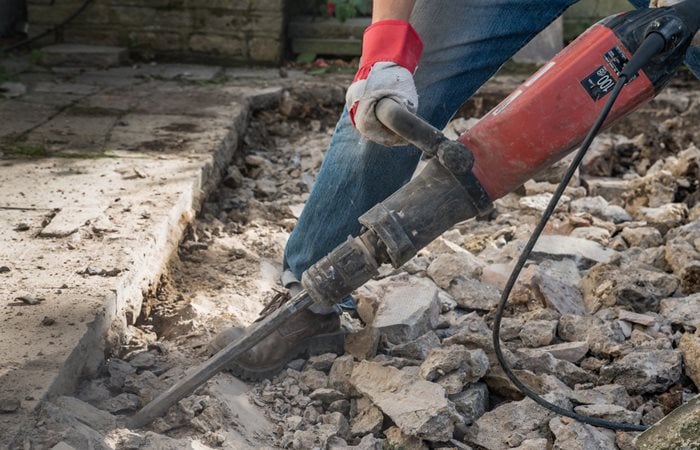
Rotary hammers are powerful tools designed for tough concrete. They combine rotation with a strong hammering action. This makes breaking concrete faster and easier.
Rotary hammers have different modes for drilling and chiseling. Their design reduces user fatigue during long jobs. They also handle larger drill bits than hammer drills.
These tools work well for medium to large projects. They offer better control and more power than a standard hammer drill.
Jackhammers And Demolition Hammers
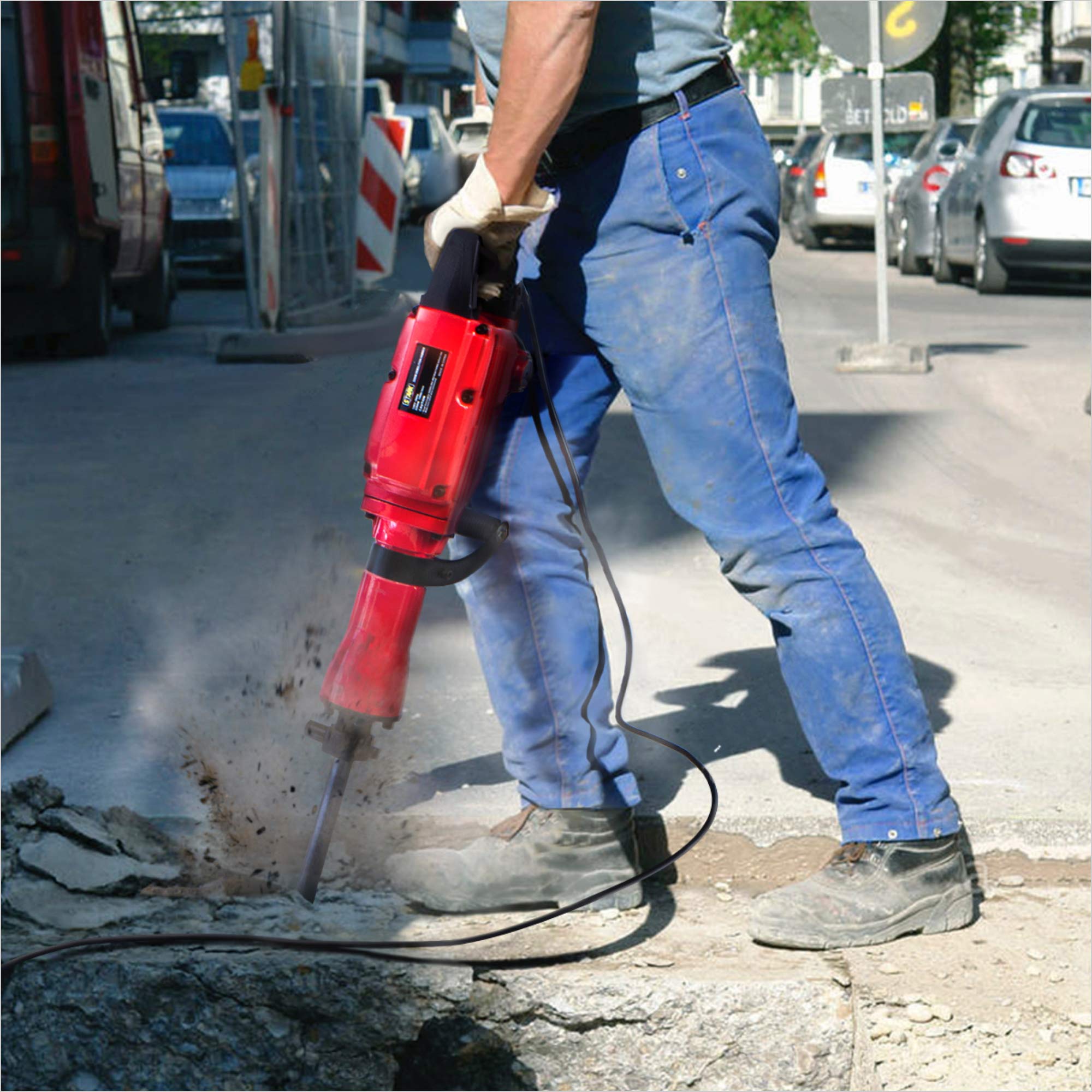
Jackhammers are heavy-duty tools for breaking concrete quickly. They use strong, rapid blows to crack and break slabs. Professionals often use them for road work and large demolition.
Demolition hammers are smaller but still powerful. They are easier to handle and good for indoor work or tight spaces. Both tools require protective gear for safe use.
These hammers are the best choice for heavy concrete breaking. They provide the force needed to handle thick slabs and tough materials.
Credit: www.concretenetwork.com
Maintenance And Care
Proper maintenance and care keep your hammer drill working well. This is important when breaking up concrete. The drill faces tough jobs and needs extra attention. Taking care helps avoid breakdowns and keeps the tool safe to use. Here are key tips for maintenance and care.
Drill Maintenance Tips
Clean the drill after every use. Dust and debris can damage the motor. Use a soft brush or cloth to wipe the surface. Check the drill bits for wear. Replace dull or chipped bits to keep the drill efficient. Lubricate moving parts as recommended by the manufacturer. Store the drill in a dry place to prevent rust. Regularly inspect the power cord for cuts or frays. Fix any damage before using the tool again.
Extending Tool Life During Concrete Work
Use the correct drill bit for concrete. This reduces wear and tear on the tool. Avoid pressing too hard while drilling. Let the drill do the work to prevent motor strain. Take breaks to cool the drill during long jobs. Overheating can shorten the drill’s life. Keep the ventilation slots clear to allow airflow. Following these steps helps your hammer drill last longer on tough concrete jobs.
Frequently Asked Questions
Can A Hammer Drill Break Concrete Effectively?
Yes, a hammer drill can break concrete, but only for small jobs. It works best on thin slabs or light demolition. For heavy-duty concrete breaking, a rotary hammer or jackhammer is more suitable and efficient.
Is A Hammer Drill Suitable For Large Concrete Projects?
No, hammer drills are not ideal for large concrete projects. They lack the power and durability needed for extensive demolition. For big jobs, use tools specifically designed for heavy concrete breaking, like demolition hammers or jackhammers.
What Drill Bits Work Best With Hammer Drills On Concrete?
Use carbide-tipped masonry bits for hammer drills when working on concrete. These bits are tough and designed to withstand hammering action. Avoid standard drill bits, as they will wear out quickly on concrete surfaces.
How Do I Use A Hammer Drill Safely On Concrete?
Wear safety goggles, gloves, and ear protection when using a hammer drill. Ensure a firm grip and use steady pressure. Avoid forcing the tool to prevent damage and accidents. Always follow the manufacturer’s instructions for safe operation.
Conclusion
A hammer drill can break up concrete, but it depends on the job size. For small tasks, it works well and saves time. For bigger or thicker concrete, a specialized tool is better. Always use safety gear to protect yourself.
Choose the right tool to make the work easier and safer. This helps you finish faster and avoid damage. Think about your project before picking a tool. That way, you get the best results without extra effort.
