

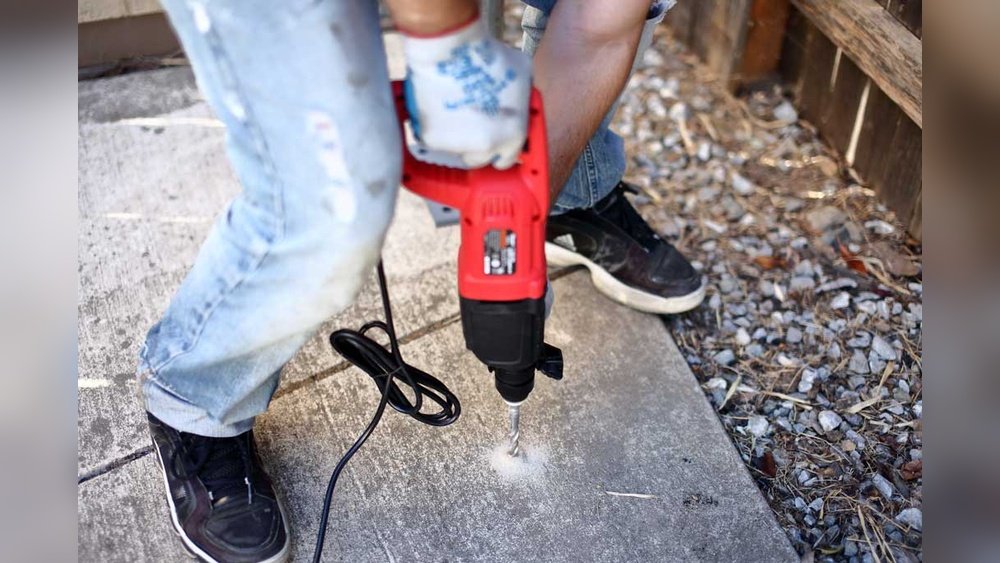
Have you ever stood in front of a concrete wall or floor, wondering if your hammer drill is strong enough to break through it? You might be planning a home project or just curious about what your tools can really do.
Knowing whether you can break concrete with a hammer drill can save you time, effort, and frustration. You’ll discover the truth about using a hammer drill on concrete, learn the best techniques, and find out what tools work best for the job.
Keep reading—you’re about to unlock the secrets that will make your concrete work easier and more effective.

Credit: www.youtube.com
Hammer Drill Basics
A hammer drill is a powerful tool used for drilling into hard materials like concrete and stone. It combines rotation with a hammering action. This makes it easier to break through tough surfaces. Knowing how a hammer drill works helps you use it safely and effectively.
This section explains the basic parts of a hammer drill. It also covers the different types and key features to look for. Understanding these points helps you decide if a hammer drill can break concrete.
How Hammer Drills Work
A hammer drill spins the drill bit like a regular drill. It also moves the bit back and forth quickly. This pounding action chips away at hard materials. The rotation makes a hole, while the hammering breaks the surface. The combined motion makes drilling into concrete faster and easier.
Types Of Hammer Drills
There are two main types of hammer drills: standard and rotary. Standard hammer drills use a clutch to create the hammering motion. They work well for light to medium jobs. Rotary hammer drills use a piston to deliver stronger blows. They are better for heavy-duty concrete breaking and drilling.
Key Features To Know
Look for adjustable speed settings on a hammer drill. This helps control the drilling power. A mode switch lets you choose between hammering and regular drilling. A strong motor provides enough force to break tough concrete. Comfort features like grip and weight also matter for long use.
Concrete Properties
Concrete is a tough material used in buildings and roads. Its properties affect how tools like hammer drills work on it. Understanding these properties helps know if breaking concrete with a hammer drill is possible.
Concrete is made of different parts and has strong resistance to force. These traits define how it behaves under pressure or impact.
Strength And Composition
Concrete is a mix of cement, water, sand, and gravel. This mix hardens to form a solid block. The strength depends on the ratio of these parts and how well they mix.
Strong concrete can hold heavy weight and resist cracking. A hammer drill may struggle with very strong concrete because it is dense and tough.
Impact Resistance
Concrete can absorb shocks but may chip or crack under sharp blows. Impact resistance shows how well concrete holds up against sudden force.
A hammer drill uses rapid hammering to break concrete. If the concrete has high impact resistance, it will be harder to break.
Common Concrete Types
Concrete comes in various types like normal, high-strength, and lightweight. Normal concrete is used for sidewalks and walls. High-strength concrete is used in bridges and tall buildings. Lightweight concrete is used for insulation.
The type affects how easy or hard it is to break with a hammer drill. Normal concrete breaks easier than high-strength types.
Hammer Drill Vs. Rotary Hammer
Choosing between a hammer drill and a rotary hammer depends on the task. Both tools can drill into concrete. Yet, they work differently and suit different needs. Understanding their differences helps you pick the right tool for breaking concrete.
Differences In Power
A hammer drill uses rapid hammering motion to drill holes. It combines rotation with a pounding action. This makes it good for small to medium jobs. A rotary hammer has a stronger hammering mechanism. It uses a piston to deliver more force. This extra power makes it better for heavy-duty work.
Best Uses For Each Tool
Hammer drills work well for drilling small holes in concrete and masonry. They are light and easy to handle. Ideal for hanging shelves or drilling anchors. Rotary hammers are designed for bigger tasks. They can break concrete and drill large holes. Perfect for demolition and construction projects.
Effectiveness On Concrete
Hammer drills can break thin or weak concrete. They struggle with thick or tough concrete walls. Rotary hammers break concrete much faster and with less effort. They handle dense concrete without overheating. For serious concrete breaking, rotary hammers deliver better results.

Credit: www.youtube.com
Breaking Concrete With A Hammer Drill
Breaking concrete with a hammer drill is a common task for many DIY projects. This tool combines rotation with a hammering action. It helps to chip away at concrete surfaces. The hammer drill works well for small to medium jobs. It is less powerful than a jackhammer but more precise. Using it correctly can save time and effort.
When It’s Possible
A hammer drill breaks concrete best when the slab is thin. Small patches or surface layers respond well to this tool. It works on concrete blocks, small walls, and thin slabs. The drill bit must be a masonry type for best results. For thick or heavily reinforced concrete, it may struggle. The hammer drill suits jobs that need precision. It is good for making holes or small breaks.
Techniques To Try
Start by choosing the right drill bit. Use a carbide-tipped masonry bit for hard concrete. Hold the drill firmly and apply steady pressure. Let the hammer action do the work, not force. Move the bit slowly to avoid overheating. Work in small sections to control the break. Use water to cool the bit and reduce dust. Wear safety glasses and a mask for protection.
Limitations To Consider
A hammer drill is not for heavy demolition. It cannot break very thick or reinforced concrete easily. The tool may overheat if used too long without breaks. The drill bits wear out quickly on tough concrete. It cannot replace a jackhammer for large jobs. Noise and vibration may be uncomfortable during use. For large areas, rent a more powerful tool instead.
Safety Tips
Breaking concrete with a hammer drill can be tough and risky. Safety is very important. Following safety tips protects you and others around. It also helps avoid damage to the tool and work area. Here are key safety tips to keep in mind.
Protective Gear
Wear safety glasses to protect your eyes from flying debris. Use ear protection to guard against loud noise. Gloves help protect your hands from vibration and sharp edges. Wear a dust mask to avoid breathing in dust particles. Use sturdy boots to shield your feet from falling pieces.
Proper Handling
Hold the hammer drill firmly with both hands. Keep a steady grip to control the tool well. Start drilling slowly to avoid sudden jerks. Do not force the drill; let it work at its pace. Always unplug the drill before changing bits or cleaning. Maintain a clear workspace free of obstacles.
Preventing Damage
Check the drill bit for wear or damage before use. Use the right bit designed for concrete. Avoid overheating the drill by taking breaks during long jobs. Do not use excessive pressure to prevent bit breakage. Inspect the tool regularly for any faults or loose parts.
Alternative Tools For Concrete Demolition
Breaking concrete can be tough. A hammer drill works for small holes and light tasks. For bigger jobs, other tools help break concrete faster and easier. These tools are designed to handle strong materials safely and with less effort.
Jackhammers
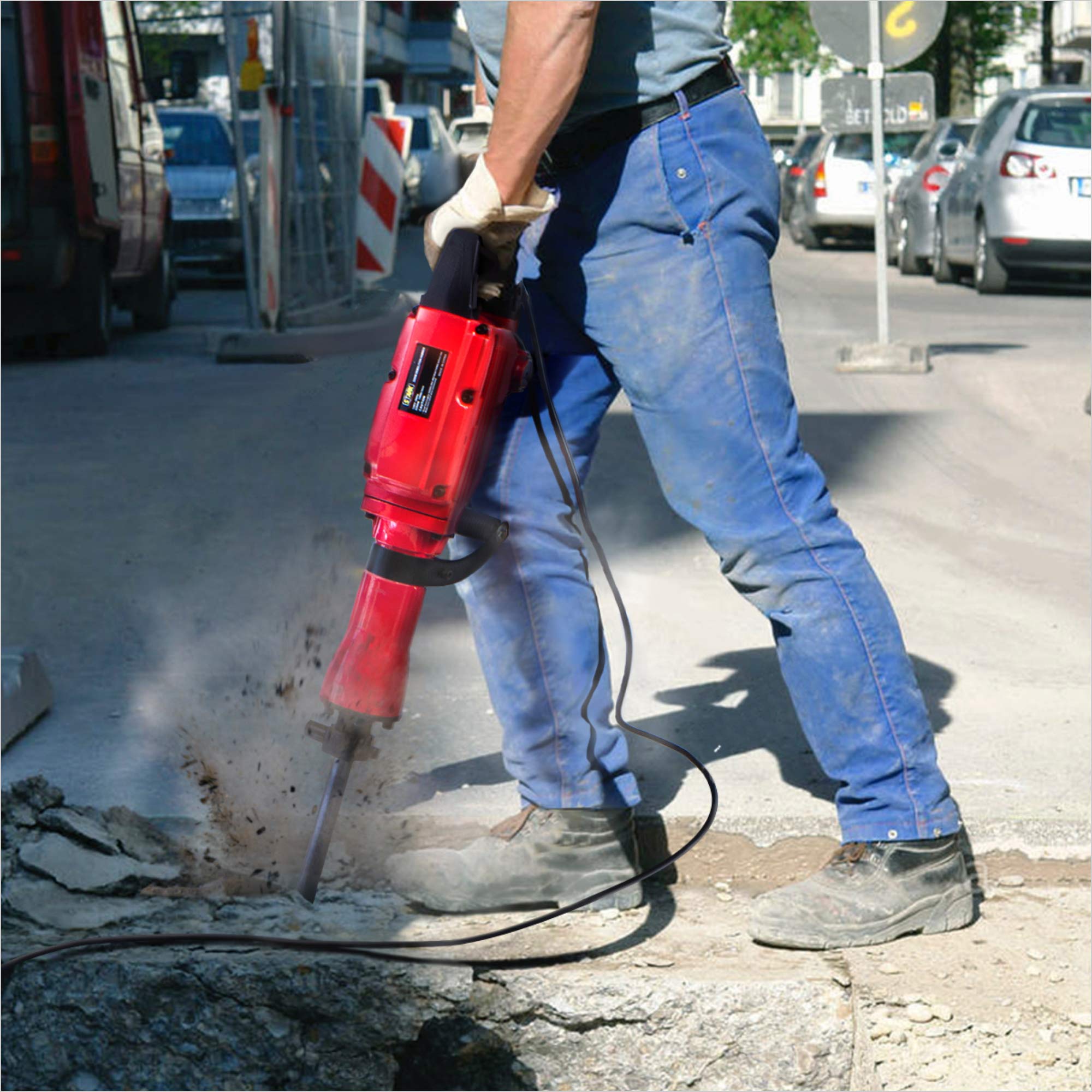
Jackhammers are powerful tools for breaking concrete. They use a hammering action with strong force. This tool breaks concrete into pieces quickly. Many construction workers use jackhammers for road repairs and heavy demolition.
Electric or pneumatic jackhammers are common types. They are heavy but very effective. Safety gear is important when using jackhammers.
Sledgehammers
Sledgehammers are simple and manual tools. They have a heavy metal head and a long handle. You hit the concrete with strong swings. This tool works well for small concrete breaking tasks.
Sledgehammers need physical strength and good technique. They are affordable and easy to use. Wear safety glasses and gloves for protection.
Concrete Saws
Concrete saws cut through concrete instead of breaking it. They have a diamond blade that cuts clean lines. This tool is great for precise demolition and removal.
Concrete saws come in handheld and walk-behind models. They reduce dust and mess during cutting. Use proper safety equipment to avoid injury.
Maintenance For Hammer Drills
Proper maintenance keeps your hammer drill working well. It helps the tool last longer and perform better. Regular care prevents breakdowns and costly repairs. Learn simple tips to care for your hammer drill.
Cleaning And Care
After each use, clean dust and debris from the drill. Use a dry cloth or a small brush for this. Avoid water or harsh chemicals that can damage parts. Check the vents for blockages. Keep the drill dry and store it in a cool, dry place.
Troubleshooting Common Issues
Check the power cord for cuts or frays if the drill won’t start. Listen for unusual noises during operation; these may signal worn parts. If the drill stops suddenly, inspect the brushes inside. Replace worn brushes to restore function. Tighten loose screws to prevent damage.
Extending Tool Life
Use the correct drill bits for concrete to avoid stress on the motor. Do not force the drill; let it work at its own pace. Regularly oil moving parts as the manual suggests. Store the tool in its case to protect it from dust and drops. Proper care extends the life of your hammer drill.
Credit: www.homedepot.com
Frequently Asked Questions
Can A Hammer Drill Break Concrete Effectively?
Yes, a hammer drill can break concrete, but only small or thin sections. It combines rotation with hammering to chip concrete. For thicker concrete, a rotary hammer or jackhammer is more efficient and powerful.
What Size Hammer Drill Is Best For Concrete?
A hammer drill with at least 7 amps and 1,500 RPM is ideal for light concrete work. For heavier tasks, a rotary hammer drill with higher impact energy is recommended for better performance and durability.
How Long Does It Take To Break Concrete With A Hammer Drill?
Breaking concrete with a hammer drill depends on thickness and hardness. Small patches may take minutes, while thicker slabs could take hours. Using the right drill and bit speeds up the process and reduces wear.
Can A Hammer Drill Damage Concrete Unintentionally?
Yes, improper use of a hammer drill can cause cracks or spalling. Using the wrong bit or excessive force may damage the surface. Proper technique and the correct tools help avoid unintentional concrete damage.
Conclusion
Breaking concrete with a hammer drill is possible but not always easy. The drill works best on small or thin concrete pieces. For large or thick concrete, you may need stronger tools. Using the right drill bit and steady pressure helps a lot.
Wear safety gear to protect yourself during the work. This method saves time compared to manual hammering. Remember, patience and care lead to better results. Choose the right tool for your project to avoid damage or injury. Simple steps make the job easier and safer.
