

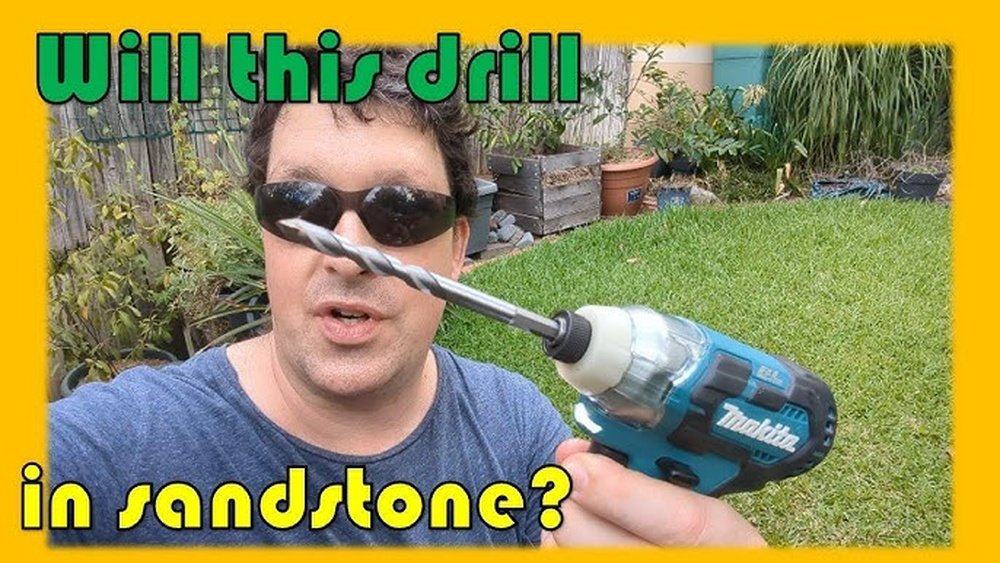
Have you ever faced the challenge of drilling into concrete but didn’t have a hammer drill on hand? You might think it’s impossible or that your drill won’t stand a chance.
But what if you could still get the job done without that special tool? Imagine saving time, effort, and money by learning simple tricks to drill into concrete with the tools you already own. Keep reading, because by the end of this article, you’ll know exactly how to tackle this task with confidence—and avoid common mistakes that can waste your energy and damage your equipment.
Your next DIY project just got a whole lot easier.
Credit: thriftdiving.com
Tools For Drilling Concrete
Drilling into concrete requires the right tools. Not all drills are made for this tough job. Concrete is hard and dense. It can wear down regular drill bits fast. The tools you use affect how easy the job will be. Knowing your options helps you pick the best method.
Some tools work better than others. You can drill concrete without a hammer drill, but the process might be slower or harder. Let’s explore the tools used for drilling concrete and how they perform.
Standard Drill Capabilities
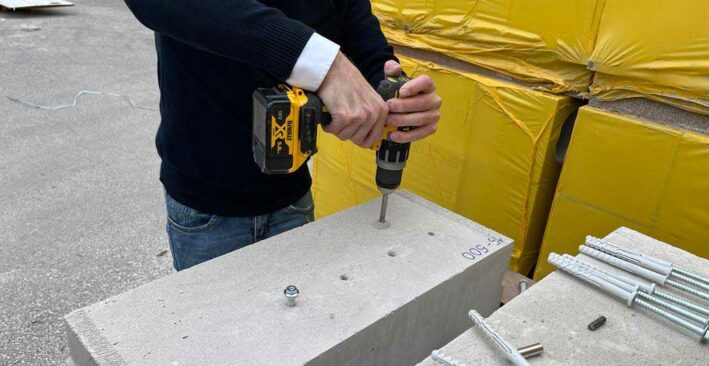
Standard drills are common and easy to find. They work well on wood and metal. But concrete is much harder. Standard drills can make small holes in concrete. The key is using the right drill bit. Without a hammer action, drilling takes more time. Expect the drill to heat up and wear out bits faster.
Alternative Drill Bits
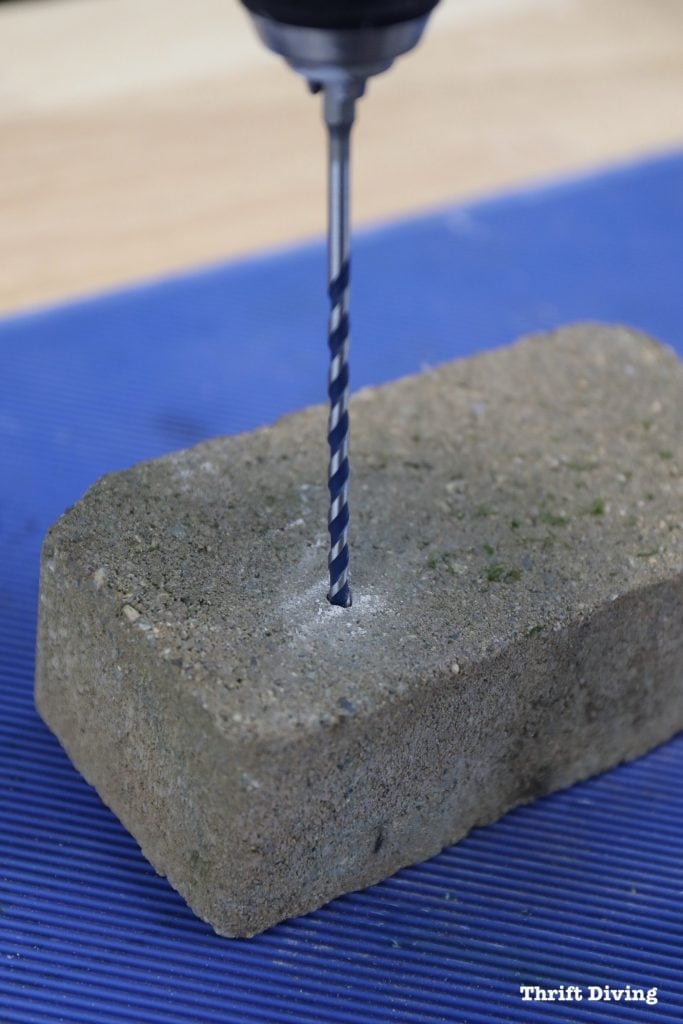
Special drill bits help when you don’t have a hammer drill. Masonry bits are designed to handle concrete. They have a tip made from tough materials like carbide. These bits cut through concrete slowly but steadily. Using water to cool the bit can prevent overheating. Sharp bits and steady pressure improve results.
When To Choose A Hammer Drill
Hammer drills add a pounding action to drilling. This breaks up concrete as the bit spins. It makes drilling faster and easier. Choose a hammer drill for larger holes or deeper drilling. For small or occasional jobs, standard drills with masonry bits might be enough. Hammer drills reduce effort and protect your tools.
Techniques For Drilling Without Hammer Drill
Drilling into concrete without a hammer drill takes patience and the right approach. You need to use specific techniques to make the task easier. These methods help you create clean holes without damaging your tools or the surface.
Using the right tools and applying proper pressure makes a big difference. Small steps can lead to good results, even with a regular drill. Here are some effective ways to drill concrete without a hammer drill.
Using Masonry Bits Effectively
Choose a good masonry drill bit designed for concrete. These bits have a strong tip made of carbide. This tip helps break the hard surface slowly.
Keep the bit cool by pulling it out often to remove dust. This stops the bit from overheating and dulling quickly.
Applying Steady Pressure
Press the drill firmly but not too hard. Too much force can damage the bit or the drill motor. Let the bit do the work by cutting the concrete bit by bit.
Keep the drill steady and straight to avoid uneven holes. A slow, steady pace works better than rushing.
Starting With A Pilot Hole
Begin with a small pilot hole before drilling the final size. This helps guide the larger bit and reduces stress on it.
Drill the pilot hole slowly and carefully. Once it is deep enough, switch to a bigger bit to finish the hole.
Challenges And Limitations
Drilling into concrete without a hammer drill presents several challenges and limits the work quality. The task demands more care and patience. Understanding these limits helps avoid mistakes and damage.
Drill Speed And Heat Build-up
Concrete is hard and dense, causing drill bits to slow down quickly. High drill speed creates heat that wears out the bit fast. Heat build-up can also damage the drill motor. Cooling breaks are necessary to protect tools. Slow drilling reduces heat but makes the job longer.
Risk Of Bit Damage
Without a hammer drill, bits face more stress and wear. The bit can become dull or break easily. Using the wrong bit type worsens damage. Concrete bits with carbide tips work better but still wear out faster. Bit damage means higher costs and delays.
Time And Effort Considerations
Drilling concrete without a hammer drill takes more time and energy. The work is slower and more tiring. It requires steady pressure and patience. Frequent breaks help avoid overheating and tool damage. Expect longer project times and more physical effort.

Credit: www.handymanstartup.com
Expert Tips For Better Results
Drilling into concrete without a hammer drill can be tough. Using the right tips helps make the job easier and safer. Small steps improve your results and protect your tools.
Follow these expert tips to get better results and avoid common problems.
Keeping Drill Bits Cool
Drill bits get very hot when drilling concrete. Heat can damage them quickly. Take breaks often to let the bit cool down. Use short drilling bursts instead of long, continuous pressure. This prevents overheating and keeps the bit sharp longer.
Using Lubricants Or Water
Applying water or a lubricant helps reduce heat and friction. Water cools the drill bit and removes dust from the hole. Use a spray bottle or sponge to wet the spot. Avoid soaking the drill or electrical parts to stay safe.
Proper Safety Measures
Wear safety goggles to protect your eyes from dust and debris. Use a dust mask to avoid breathing in concrete particles. Gloves protect your hands from rough surfaces and vibrations. Make sure the drill has a secure grip to avoid slips.
When To Rent Or Buy A Hammer Drill
Deciding whether to rent or buy a hammer drill depends on several factors. Knowing the right choice saves money and effort. This section helps you understand what to consider before getting a hammer drill.
Project Size And Frequency
Small projects need fewer tools. Drilling a few holes once or twice does not require buying. Renting a hammer drill suits rare use. Large or ongoing projects need reliable tools. Frequent drilling means buying saves time and money.
Cost Vs. Convenience
Renting costs less upfront but adds up over time. Buying requires higher initial expense. Owning a hammer drill means easy access anytime. Renting means less storage space and maintenance. Choose based on your budget and how fast you need the tool.
Long-term Benefits
Owning a hammer drill brings long-term value. It provides control over tool quality and availability. Maintenance and repairs become your responsibility. Renting avoids upkeep but limits tool choice. Think about future projects before deciding to buy.
Credit: www.celofixings.com
Frequently Asked Questions
Can You Drill Concrete Without A Hammer Drill?
Yes, you can drill concrete without a hammer drill using a regular drill with masonry bits. However, it requires more effort and time. The results may not be as clean or fast compared to a hammer drill designed for concrete.
What Tools Work Best For Drilling Concrete?
Hammer drills with masonry bits work best for drilling into concrete. Rotary drills with special masonry bits can also work but less efficiently. Using the right drill bit and tool ensures faster, cleaner holes with less damage to the concrete surface.
How To Drill Concrete Without Damaging The Drill Bit?
Use a masonry drill bit and apply steady, moderate pressure. Start drilling at a slow speed to avoid overheating the bit. Periodically pull the bit out to clear dust and allow cooling to protect the bit from damage.
Is It Safe To Drill Concrete Without A Hammer Drill?
Yes, it is safe if you use the correct drill bit and take precautions. Wear safety goggles, gloves, and a dust mask to protect yourself from debris and dust when drilling concrete manually.
Conclusion
Drilling into concrete without a hammer drill is possible but takes more effort. Using the right tools and techniques helps make the job easier. A regular drill with a masonry bit can work for small holes. Take your time and apply steady pressure to avoid damaging your drill.
For bigger or tougher jobs, a hammer drill saves time and energy. Always wear safety gear to protect yourself. Remember, patience and care lead to better results when working with concrete.
