

Have you ever faced the challenge of drilling into concrete without a hammer drill? You might think it’s impossible or that your drill will just give up.
But what if you could get the job done without spending extra money on special tools? You’ll discover simple tricks and smart techniques to drill into concrete using what you already have. Keep reading to learn how to save time, avoid frustration, and make your project easier than you expected.

Credit: www.youtube.com
Challenges Drilling Concrete
Drilling into concrete is not an easy task. The material’s tough nature can make the job frustrating without the right tools. Many try to drill without a hammer drill and face many difficulties. Understanding these challenges helps to know why special equipment is often needed.
Hardness Of Concrete
Concrete is a very hard material made from cement, sand, and stones. Its hardness resists regular drilling methods. The surface does not give way easily, causing drill bits to wear out fast. This hardness demands more power and special drill bits to break the surface.
Limitations Of Standard Drills
Standard drills are made for softer materials like wood or plastic. They lack the impact force needed for concrete. Without this force, drilling takes much longer and can damage the drill bit. The drill may overheat or stop working properly, making the task even harder.
/SPR-how-to-drill-into-concrete-5025037-hero-de019c17ce5c4fe2adb7f6dd9f3ad193.jpg)
Credit: www.thespruce.com
Alternatives To Hammer Drills
Drilling into concrete without a hammer drill is possible using other tools. These alternatives work well for light to medium tasks. Choosing the right tool depends on your project and the concrete’s hardness.
Rotary Drill With Masonry Bits
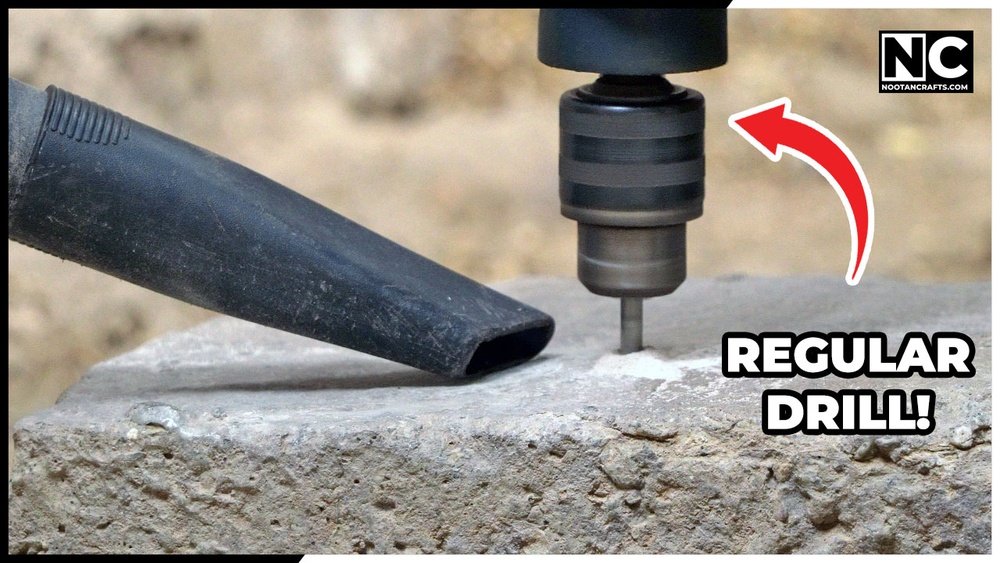
A regular rotary drill can drill into concrete if paired with masonry bits. Masonry bits are designed to cut through hard surfaces like concrete and brick. Use slow speed and steady pressure to avoid overheating the bit. This method works best on soft concrete or thin walls. It may take longer but can be effective for small jobs.
Using Impact Drivers
Impact drivers deliver strong rotational force with quick bursts. They work well for driving screws and bolts into concrete. To drill holes, use special masonry bits made for impact drivers. This tool is less effective than a hammer drill but still useful. It offers more power than a regular drill and is easier to handle.
Manual Drilling Methods
Manual methods include hand drills or chisels and hammers. Hand drills with masonry bits allow slow, controlled drilling by hand. This method is labor-intensive and suits small, precise holes. Chisels and hammers break concrete through repeated impact. Use a chisel to score the surface, then chip away carefully. Manual methods require patience and strength but need no electricity.
Choosing The Right Drill Bits
Choosing the right drill bits is key to drilling into concrete without a hammer drill. The right bit makes the job easier and protects your tools. Concrete is tough. A regular drill bit won’t last long or work well. Special bits designed for masonry work best. These bits cut through concrete with less effort and heat. Using the correct bit saves time and prevents damage.
Masonry Bit Types
Masonry bits have strong tips made from carbide or tungsten. These tips handle the hardness of concrete. Some bits have a pointed tip for starting the hole easily. Others have a flat or chisel-like tip to remove material fast. Choose a bit with a carbide tip for the best durability. The size of the bit depends on your hole needs. Small bits work for anchors or screws. Larger bits are for pipes or cables.
Tips For Longer Bit Life
Keep bits cool to avoid overheating and dulling. Drill slowly and apply steady pressure. Let the bit do the work, not force. Clear dust from the hole often to reduce friction. Use water or a damp cloth to cool the bit if needed. Store bits properly to prevent damage. Sharpen bits when they become dull to extend use. Well-maintained bits last longer and work better.
Step-by-step Drilling Techniques
Drilling into concrete without a hammer drill requires patience and the right method. Using a regular drill can work if you follow clear steps. These steps help avoid damage to your drill and make the process easier. Below are simple techniques to guide you through drilling without a hammer drill.
Marking And Preparing The Surface
Start by marking the exact spot for drilling. Use a pencil or marker to make a clear dot. Clean the surface to remove dust and dirt. A clean surface helps the drill bit grip better. Place a piece of tape over the mark to stop the bit from slipping.
Drilling At Low Speed
Set your drill to the lowest speed setting. Slow drilling reduces heat and protects the bit. Begin drilling straight into the mark, keeping the drill steady. Move the drill bit gently, letting it do the work. Avoid pushing too hard or going too fast.
Applying Consistent Pressure
Press the drill with steady, even pressure. Too much force can break the bit or damage the drill. Too little pressure will slow down progress. Keep your hands firm and avoid shaking. Pause occasionally to let the bit cool down and remove dust.
Safety Tips When Drilling Concrete
Drilling into concrete without a hammer drill can be tough and risky. Safety must be the top priority. Concrete dust and flying debris can cause injuries. Proper safety measures help protect your eyes, lungs, and skin. Follow these tips to stay safe during the drilling process.
Protective Gear Essentials
Wear safety goggles to protect your eyes from dust and chips. Use a dust mask or respirator to avoid breathing in harmful particles. Gloves protect your hands from sharp edges and vibration. Long sleeves and pants shield your skin from flying debris. Choose sturdy shoes to keep your feet safe on rough surfaces.
Handling Dust And Debris
Concrete dust is harmful and can irritate your lungs. Drill in a well-ventilated area to reduce dust buildup. Use a vacuum or wet drill method to control dust spread. Clean the work area regularly to prevent slips and falls. Avoid touching your face or eyes during and after drilling to prevent irritation.
When To Invest In A Hammer Drill
Deciding on a hammer drill depends on your drilling needs. This tool is designed to handle tough materials like concrete. Regular drills may work for occasional holes but struggle with concrete. A hammer drill uses a pounding action to break concrete easily. Knowing when to invest in one can save time and effort.
Frequency Of Drilling Needs
Consider how often you drill into concrete. If it’s just once or twice, a regular drill might be enough. For ongoing projects, a hammer drill makes sense. It reduces fatigue and speeds up the work. Frequent use justifies the investment in a more powerful tool.
Cost Vs. Efficiency
Hammer drills cost more than standard drills. The higher price reflects better performance and durability. A hammer drill finishes jobs faster and with less effort. This efficiency saves money over time, especially on big projects. Balance the initial cost against long-term benefits for your needs.

Credit: www.youtube.com
Frequently Asked Questions
Can You Drill Concrete Without A Hammer Drill?
Yes, you can drill into concrete without a hammer drill, but it is slower and less efficient. Use a carbide-tipped masonry bit and apply steady pressure. Expect longer drilling time and more effort compared to a hammer drill.
What Tools Work Best For Drilling Concrete?
Hammer drills are the best for concrete because they combine rotation and impact. Rotary drills with masonry bits can work but are slower. For tough concrete, a hammer drill or rotary hammer is highly recommended for effective drilling.
Will A Regular Drill Damage My Bit On Concrete?
Yes, regular drills can wear down masonry bits quickly when used on concrete. The lack of hammering action causes excessive friction and heat. Using a hammer drill extends bit life and improves drilling efficiency in concrete.
How Deep Can You Drill Without A Hammer Drill?
Depth depends on your drill’s power and bit length. Without a hammer drill, drilling beyond 1-2 inches into concrete becomes very difficult. For deeper holes, using a hammer drill or rotary hammer is advisable to avoid damage.
Conclusion
Drilling into concrete without a hammer drill is possible but not easy. Regular drills work best for small holes or soft concrete. For bigger jobs, a hammer drill saves time and effort. Using the right drill bit also makes a difference.
Take your time and apply steady pressure. This helps prevent damage to your drill and surface. Choose the right tool for your project to get the best results. Safety matters—always wear protective gear. With patience and care, you can complete your task successfully.
