

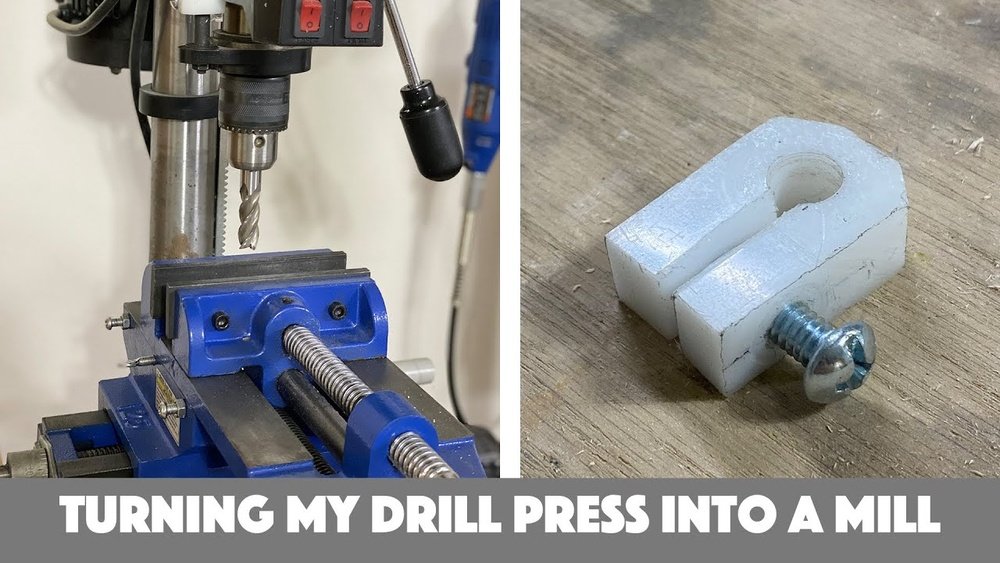
Have you ever wondered if your drill press can do more than just drill holes? What if you could turn it into a tool for milling, saving you money and space in your workshop?
If you’re looking to get more from your equipment and take on new projects, this question might be on your mind. You’ll discover whether a drill press can truly handle milling tasks, what limitations you might face, and how to make the most of your machine.
Keep reading to find out if your drill press can become the versatile tool you’ve been hoping for.

Credit: www.youtube.com
Drill Press Vs Milling Machine
The drill press and milling machine look similar but serve different purposes in the workshop. Both tools hold a rotating cutting tool and work on a fixed workpiece. Yet, their design and function vary significantly. Understanding these differences helps choose the right tool for your project.
Key Differences
A drill press is mainly for making holes. It moves the drill bit up and down in a straight line. It offers limited control over the side-to-side movement. The drill press is simpler and less expensive than a milling machine.
A milling machine can cut in many directions. It moves the cutting tool horizontally and vertically. This allows it to shape, slot, and contour metal or wood. The milling machine is more precise and powerful. It handles complex jobs that a drill press cannot do.
When To Choose Each
Choose a drill press for simple tasks like drilling holes. It works well for woodworking and light metalworking. It is ideal when speed and ease are priorities.
Pick a milling machine for detailed shaping or cutting. It suits jobs requiring precision and control. Milling machines excel at making parts with complex shapes or multiple cuts.
Using a drill press to mill is possible but limited. It works only for very light milling tasks. For serious milling, a proper milling machine is better.
Preparing Your Drill Press For Milling
Preparing your drill press for milling takes some care and the right tools. Milling requires more precision than drilling, so setup matters a lot. You need to make sure your drill press is steady and can handle side forces. Adjusting your machine helps it work better and lasts longer during milling tasks.
Essential Accessories
Start with a good milling vise to hold your workpiece tightly. A milling table or cross-slide can help move the piece smoothly. Use sharp end mills designed for milling, not regular drill bits. A depth stop ensures consistent cuts. Clamps and extra supports keep everything stable while milling.
Setup Tips
Check the drill press for looseness and tighten all parts. Align the table so the bit moves straight down. Set the right speed for the material and bit size. Use a lubricant to reduce heat and wear on the bit. Test the setup on scrap material before the actual milling.
Types Of Milling You Can Do
Milling is a process used to cut and shape materials like metal and wood. A drill press can perform some types of milling tasks. Different milling methods change how the tool cuts the material. Understanding these methods helps you know what a drill press can do.
Face Milling
Face milling cuts a flat surface on the material. The tool’s face, or front part, does the cutting. This method makes smooth, even surfaces. It is good for leveling large areas. A drill press can do light face milling with the right setup.
Slot Milling
Slot milling creates narrow cuts or grooves in the material. These slots can hold parts or allow movement. The tool cuts straight down or moves along the material. A drill press can make small slots if it holds the material steady.
Peripheral Milling
Peripheral milling cuts along the edges of the material. The cutting happens on the tool’s sides. This method shapes edges or removes extra material. A drill press can perform simple peripheral milling tasks with care. It works best for shallow cuts and soft materials.
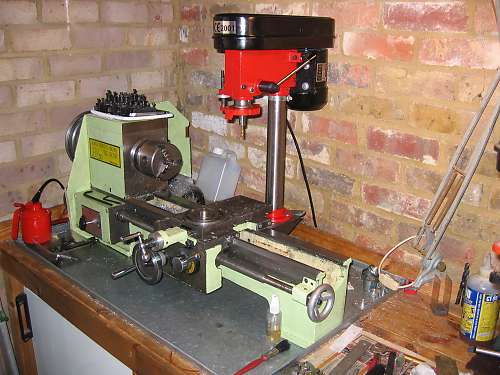
Credit: hackaday.com
Selecting The Right Cutting Tools
Selecting the right cutting tools is key for milling with a drill press. The tools must fit the machine and the task. Choosing poorly can cause bad cuts and damage. The right tools help achieve smooth, precise work. This section covers the main types of cutters and their compatibility with drill presses.
End Mills And Cutters
End mills are popular for milling tasks. They have sharp edges on the sides and tip. These tools cut metal, wood, and plastic well. Different shapes and sizes suit different jobs. Flat end mills make straight cuts. Ball nose end mills create rounded grooves. Choose the right type for your project. Keep the tool sharp for clean results.
Tool Compatibility
Drill presses have limits on tool size and shape. Not all cutters fit the drill press chuck. Most drill presses accept tools with a straight shank. The shank size must match the chuck size. Using a tool too large can cause wobble. This affects accuracy and safety. Some mills need special adapters or collets. Check the drill press manual before buying cutters. Proper fit keeps the tool steady during work.
Techniques For Effective Milling
Milling with a drill press can work well if done right. Using the right techniques improves results. Safety and precision depend on how you approach the task. Below are key techniques for effective milling that help you get the best finish.
Speed And Feed Rates
Adjust the drill press speed to fit the material. Softer materials need higher speeds, harder ones slower. Feed rate means how fast you push the workpiece into the cutter. Move too fast and the tool may break or burn the material. Move too slow and the workpiece can overheat. Test different speeds and feeds to find the best balance.
Workpiece Clamping
Secure the workpiece firmly before milling. Use clamps or a vise to stop movement. Any shift can ruin the cut and cause danger. Keep the workpiece steady and flat. Avoid holding it by hand. Proper clamping improves accuracy and safety during milling.
Depth Control
Set the cutting depth carefully to avoid damage. Take small passes instead of one deep cut. This reduces strain on the tool and drill press. Use the drill press’s depth stop or mark the desired depth. Check progress often and adjust if needed. Controlled depth leads to cleaner cuts and longer tool life.
Safety Tips For Milling With A Drill Press
Milling with a drill press can be useful but it needs careful attention to safety. The drill press is not designed for milling, so risks increase. Taking the right safety steps protects you and your tools. Use the right gear and follow machine rules. Stay alert and work slowly. This section covers key safety tips to keep milling safer on your drill press.
Protective Gear
Wear safety glasses to protect your eyes from flying chips. Use hearing protection to guard against loud noise. Gloves can protect your hands but avoid loose ones that catch in the machine. Wear a dust mask if you work with materials that create dust. Tie back long hair and avoid loose clothing to stop accidents. Proper shoes protect your feet from dropped tools or materials.
Machine Precautions
Secure the workpiece firmly with clamps or a vise. Never hold the workpiece by hand while milling. Use the correct drill bit or milling cutter for the job. Check the drill press speed and adjust it to a lower setting. Avoid forcing the tool into the material; let it cut gently. Keep the drill press clean and free of debris. Turn off the machine before changing tools or making adjustments. Always stand clear of the spinning bit during operation.
Common Challenges And Solutions
Using a drill press for milling tasks brings some common challenges. These challenges affect the quality and precision of your work. Understanding the problems helps find simple solutions. This section covers key issues and easy ways to fix them.
Handling Tool Deflection
Tool deflection happens when the cutting tool bends under pressure. This causes uneven cuts and reduces accuracy. Use shorter and stiffer tools to reduce bending. Lower the feed rate to ease pressure on the tool. Check that the tool is sharp to cut smoothly. Tighten the tool holder firmly to avoid movement.
Reducing Vibration
Vibration makes the drill press unstable during milling. It leads to rough surfaces and poor finish. Secure the workpiece tightly using clamps or a vise. Use a slower spindle speed to control vibration. Add weight or a dampener to the drill press base. Make sure all parts are well lubricated and free of damage.
Improving Accuracy
Accuracy is tough with a drill press because it is not made for milling. Use a dial indicator to check and adjust the table position. Work in small steps and measure often to avoid mistakes. Keep the work area clean to stop debris from affecting movements. Align the drill press carefully before starting your milling job.
Maintenance After Milling
After using a drill press for milling, proper maintenance keeps the machine in good shape. Milling creates metal shavings and dust that can harm parts. Cleaning and caring for the tool helps it last longer and work better.
Cleaning The Machine
Remove all metal shavings from the drill press. Use a brush or compressed air to clear tight spaces. Wipe down surfaces with a clean cloth. Avoid using water to stop rust from forming. Check for any leftover debris that might block moving parts.
Tool Care
Inspect drill bits and milling cutters for damage. Sharpen or replace dull tools to keep cuts clean. Apply light machine oil to moving parts to reduce wear. Tighten any loose bolts or screws. Regular care prevents breakdowns and keeps the machine running smoothly.
When To Upgrade To A Milling Machine
Using a drill press for milling can work for small tasks. But some projects need more power and precision. That is when upgrading to a milling machine makes sense. A milling machine handles tougher jobs and delivers better results. Knowing when to make the switch saves time and improves your work quality.
Signs You Need More Power
Struggling with hard materials? Your drill press may slow down or stall. The motor might overheat during long jobs. You may notice rough or uneven cuts. These are signs your drill press can’t keep up. Milling machines have stronger motors and better control. They cut through tough metals smoothly and fast.
Cost Vs Benefit
Milling machines cost more than drill presses. Think about how often you need milling work. If you do many or complex tasks, the cost is worth it. A milling machine saves time and reduces errors. It also allows more project types. The investment pays off in better results and less frustration.

Credit: www.reddit.com
Frequently Asked Questions
Can You Use A Drill Press For Milling Metal?
Yes, a drill press can mill metal, but it’s limited. It handles light milling tasks well. For heavy or precise milling, a dedicated milling machine is better.
What Modifications Are Needed To Mill On A Drill Press?
You need a milling vise and proper cutters. Adjust the speed for milling tasks. Ensure the drill press table is sturdy and stable for safe operation.
Is A Drill Press Accurate Enough For Milling?
A drill press offers moderate accuracy. It’s suitable for simple, rough milling jobs. For precision work, a milling machine with finer controls is recommended.
Can A Drill Press Handle Complex Milling Shapes?
No, a drill press is not ideal for complex shapes. It’s best for straight cuts and simple contours. Complex milling requires specialized equipment with multi-axis control.
Conclusion
A drill press can do some milling tasks but with limits. It works best for light, simple cuts. For heavy or precise milling, a real milling machine fits better. Safety matters—always use the right tools and take care. Knowing what your drill press can and cannot do helps avoid mistakes.
Choose the right machine for your project to get good results. Simple jobs can be done with a drill press, but complex ones need more power. Keep your work safe and steady for the best outcome.
