

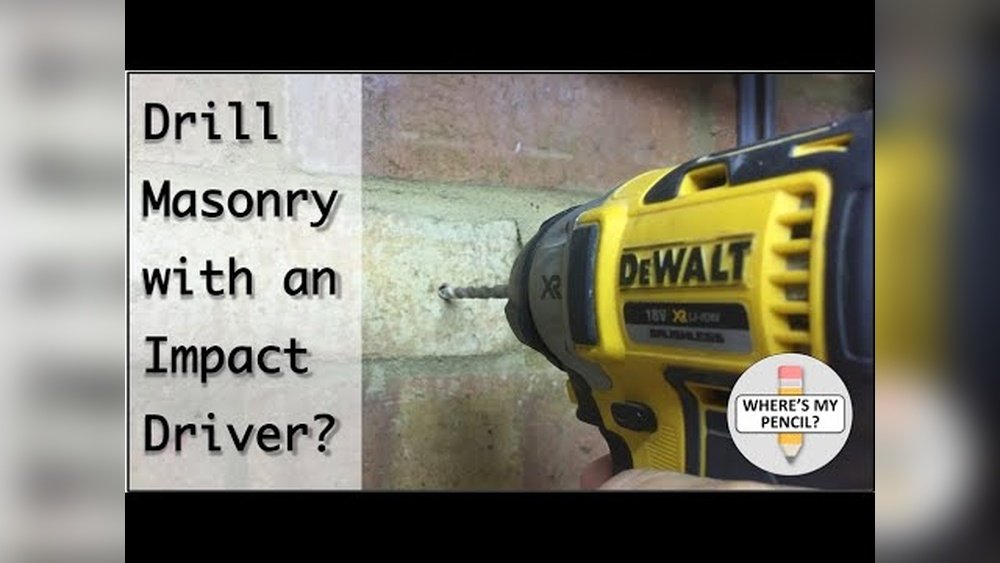
Are you wondering if you can use an impact driver for cement work? It’s a common question that many DIYers and professionals ask before starting their project.
Using the right tool can save you time, effort, and frustration. But is an impact driver the tool you need when dealing with cement? Keep reading, because understanding this will help you avoid costly mistakes and get the job done right the first time.
Let’s dive into what an impact driver can and cannot do when it comes to cement.
Credit: www.liftingitalia.com
Impact Driver Basics
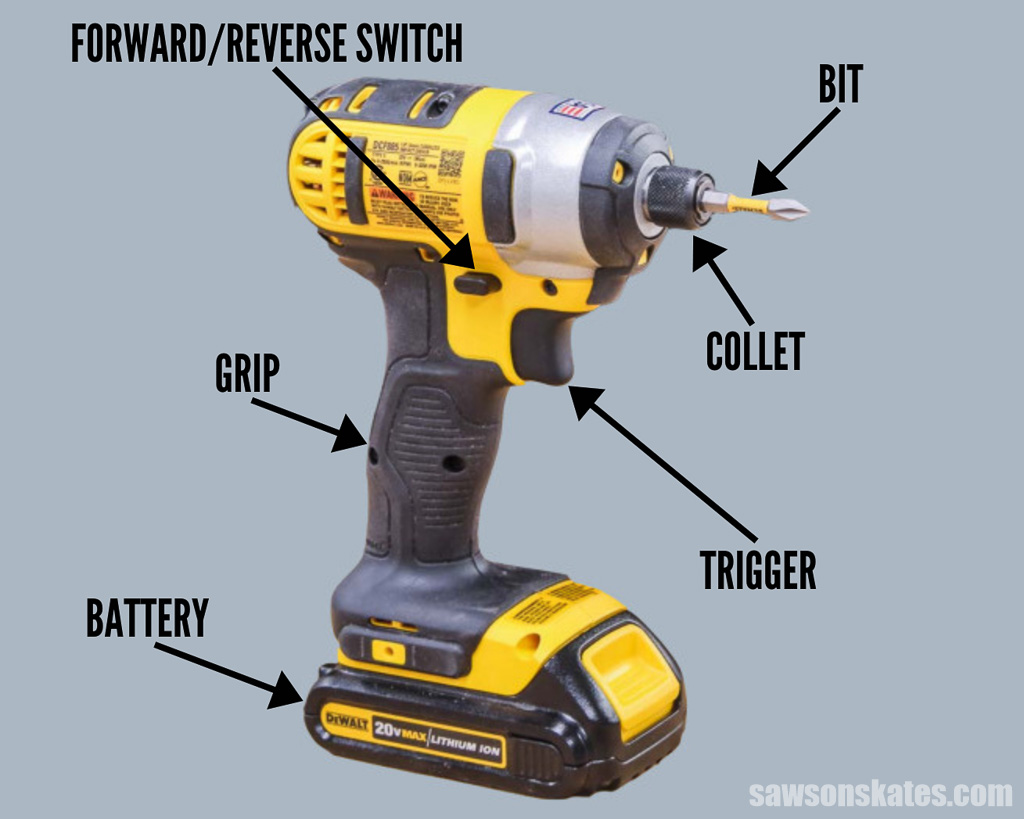
An impact driver is a powerful tool designed to drive screws and bolts with ease. It uses a special mechanism to deliver high torque in short bursts. This makes it different from regular drills.
Understanding how impact drivers work helps decide if they suit your project. They are compact and easy to handle. Many DIYers and professionals rely on them for tough jobs.
How Impact Drivers Work
Impact drivers combine rotation with strong impacts. The tool spins the bit while hitting it with quick bursts of force. This action helps drive screws into hard materials faster.
The impacts reduce the chance of the bit slipping out of the screw head. This makes work safer and more efficient. The high torque also allows handling bigger screws easily.
Common Uses For Impact Drivers
Impact drivers work well for wood, metal, and plastic. They are great for driving long screws and bolts. Many use them for building decks, assembling furniture, and fixing vehicles.
These tools are not made for drilling holes in concrete or cement. They lack the hammer action needed for such hard surfaces. For cement, special tools like rotary hammer drills are better.

Credit: www.loveeconomychurch.org
Cement And Impact Drivers
Using an impact driver on cement is a common question for many DIY enthusiasts and professionals. Cement is a hard material, and it needs the right tools for effective work. Impact drivers are great for many tasks but can face difficulties with cement. Understanding the relationship between cement and impact drivers helps choose the right tool for the job.
Challenges With Cement
Cement is tough and dense, making it hard to drill or screw into. It can cause drill bits to wear out quickly. The surface is uneven and can crack under too much pressure. Dust from cement can clog tools and reduce their performance. Working on cement often needs strong, steady force to avoid damage.
Impact Driver Limitations On Cement
Impact drivers are designed for fast, high-torque work with screws and bolts. They lack the steady hammering action needed to break through cement. Using an impact driver on cement can damage the bit or tool. They also do not provide the control required for precise work on cement. For cement, a hammer drill or rotary hammer works better than an impact driver.
Choosing The Right Tools
Working with cement requires the right tools to get the job done safely and well. Using the wrong tool can cause damage or make the task harder. Some tools work better for cement than others. Choosing the best tool depends on the type of work and the material strength.
Impact drivers are great for many tasks, but cement drilling needs special care. Picking the correct drill bits and knowing when to switch tools matters. This helps finish the job faster and keeps your tools safe.
Best Drill Bits For Cement
Not all drill bits can handle cement. Masonry bits are made for this tough material. They have strong tips made from carbide or tungsten. These tips help drill through cement without breaking.
Look for drill bits labeled for concrete or masonry. These bits last longer and drill cleaner holes. Using the right bit reduces wear on your tool and makes drilling easier.
When To Use A Hammer Drill Instead
Impact drivers do not have a hammering action. Hammer drills add a pounding motion to the rotation. This action breaks up the cement while drilling.
Use a hammer drill for thicker cement or tough surfaces. It makes holes faster and with less effort. Impact drivers are better for screws and bolts, not heavy cement drilling.
Safety Tips For Cement Work
Working with cement can be tough and risky. Dust, flying debris, and strong tools make safety important. Protecting yourself and your tools helps finish the job well. Follow these safety tips to stay safe and keep your tools in good shape.
Protective Gear Essentials
Wear safety glasses to protect your eyes from cement dust and chips. Use a dust mask to avoid breathing in harmful particles. Gloves keep your hands safe from rough cement and sharp edges. Wear sturdy boots to protect your feet from heavy tools and falling objects. Use ear protection if using loud power tools for a long time.
Preventing Tool Damage
Check your impact driver before use to ensure it is clean and working well. Avoid using the tool in wet conditions to prevent damage. Use the right drill bits made for cement or masonry. Do not force the tool; let it work at its own pace. Store the impact driver in a dry place after use to keep it in good condition.
Expert Tips For Effective Cement Drilling
Drilling into cement can be tough. Using the right tools and methods makes the job easier. Expert tips help you drill clean, fast, and safe holes in cement surfaces. Follow these simple steps to get the best results.
Proper Technique
Start with a hammer drill or an impact driver with a masonry bit. Hold the tool firmly to keep it steady. Let the drill do the work; don’t push too hard. Drill at a slow, steady speed to avoid overheating. Clear dust from the hole often to help the bit cut better. Use water to cool the bit if needed. Always wear safety glasses and a mask to protect yourself.
Maintenance And Care
Keep your drill bits sharp for smooth drilling. Clean bits after every use to remove cement dust. Check your impact driver regularly for any damage or wear. Lubricate moving parts to keep the tool working well. Store your tools in a dry place to prevent rust. Replace worn-out bits to avoid poor performance. Regular care extends the life of your tools and ensures better results.

Credit: www.reddit.com
Frequently Asked Questions
Can An Impact Driver Be Used On Cement Surfaces?
Yes, impact drivers can be used on cement for drilling or fastening. However, they work best with masonry bits and anchors designed for concrete.
Is An Impact Driver Safe For Concrete Work?
Impact drivers are safe for concrete if used properly. Use appropriate bits and avoid excessive force to prevent damage or injury.
How Effective Is An Impact Driver On Cement?
Impact drivers provide strong rotational force but lack hammering action. They work well for fastening but are less effective for drilling cement.
What Tools Are Better Than Impact Drivers For Cement?
Hammer drills and rotary hammers are better for drilling cement. They combine rotation with hammering, making concrete work faster and easier.
Conclusion
An impact driver can help with some cement tasks but has limits. It works well for driving screws into wood or metal near cement. For drilling or breaking cement, a hammer drill or rotary hammer suits better. Using the right tool keeps your work easier and safer.
Choose tools based on the job’s needs. This way, you get good results without extra effort or damage. Always follow safety steps when working with cement and tools.
