


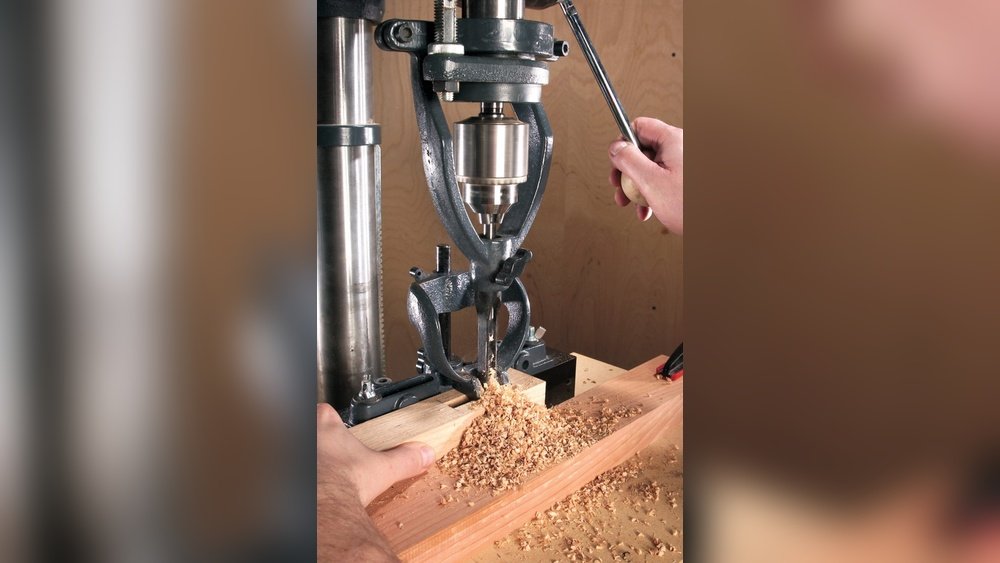
Are you wondering if you can use a mortise joiner on your drill press? If you’ve been searching for ways to make precise mortise cuts without buying a new tool, this question is probably on your mind.
Using a mortise joiner on a drill press might save you time and money—but is it really possible? You’ll discover the answer and learn how to get the best results from your tools. Keep reading to find out if your drill press can handle the job and how to do it safely and effectively.
Credit: www.rockler.com
Mortise Joiner Basics
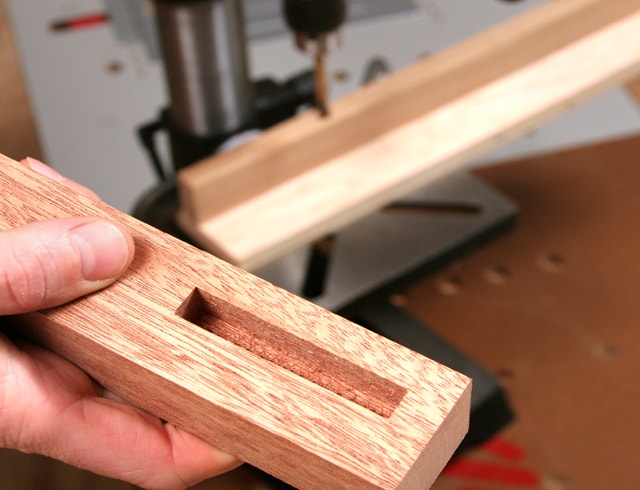
Understanding the basics of a mortise joiner helps in woodworking projects. This tool creates square or rectangular holes called mortises. Mortises fit with tenons to form strong joints. This technique is common in furniture making and cabinetry.
Knowing what a mortise joiner does makes it easier to use it properly. It also helps decide if a drill press can replace a dedicated mortise joiner. Let’s explore the key points about mortise joiners.
What Is A Mortise Joiner
A mortise joiner is a power tool for cutting mortises. Mortises are slots in wood to join two pieces tightly. This tool has a chisel and a bit that work together. The bit drills small holes, and the chisel cleans the edges. It creates precise, square holes faster than manual chiseling.
Common Uses In Woodworking
Woodworkers use mortise joiners to build strong joints. These joints hold furniture parts like legs, rails, and frames. Mortise and tenon joints resist pulling apart and twisting. They are common in tables, chairs, doors, and cabinets. This tool helps make durable, clean joints that last long.
Drill Press Features
The drill press is a powerful tool that offers stability and precision. It helps in drilling holes straight and consistent. Knowing its features can clarify if a mortise joiner fits well with it.
This section breaks down the main drill press features. It also explains how these features support different woodworking projects.
Key Components
The drill press has several key parts. The base supports the whole machine firmly. The column holds the head and allows vertical movement. The table holds the workpiece and can adjust up and down.
The head contains the motor and spindle. The spindle holds the drill bit or tool. The depth stop controls how deep the bit goes. These parts work together for accurate drilling.
Versatility In Projects
Drill presses are not only for drilling holes. They can handle sanding, mortising, and even some joinery tasks. Changing bits and attachments extends their use.
Some models allow precise control for fine woodworking. This helps when working on detailed joinery or furniture making. The drill press offers steady support for repeatable cuts.
Using the right attachments makes the drill press flexible. It can work on wood, metal, and plastic. This versatility makes it a useful tool in many workshops.
Compatibility Factors
Using a mortise joiner on a drill press depends on several key compatibility factors. These factors ensure safe and effective operation. Understanding size, fit, and necessary adjustments helps avoid damage and achieves good results.
Size And Fit Considerations
The mortise joiner must match the drill press spindle size. Most mortise joiners fit standard 3/4 inch or 1/2 inch spindles. Check the diameter before attaching. The joiner should sit firmly without wobbling. The drill press table size also matters. It must support the mortise joiner and workpiece securely. A small table limits movement and accuracy.
Adjustments Needed
Some adjustments help the mortise joiner work well on a drill press. The depth stop on the drill press must be set precisely. This controls how deep the mortise cuts. The speed setting is important too. Lower speeds prevent burning and give cleaner cuts. You may need to remove the drill chuck to fit the joiner. Tighten all parts firmly to avoid accidents.
Using Mortise Joiner On Drill Press
Using a mortise joiner on a drill press allows woodworkers to create precise and clean mortises. This method can save time and improve accuracy compared to hand tools. The drill press provides steady control, which helps in making straight cuts for strong joints. Understanding the setup and safety steps is key to effective use.
Step-by-step Setup
First, select the right chisel bit for the mortise joiner. Secure the mortise joiner bit into the drill press chuck tightly. Adjust the drill press table to the correct height for your workpiece. Clamp the wood firmly to avoid movement during cutting. Set the drill press speed to a medium-low setting. Align the bit with your marked mortise area. Lower the bit slowly to check the position before drilling. Make shallow cuts and repeat until reaching the desired depth. Clean the mortise between cuts for better results.
Safety Precautions
Wear safety goggles to protect your eyes from wood chips. Use ear protection to reduce noise exposure. Keep hands clear of the spinning bit at all times. Avoid loose clothing or jewelry near the drill press. Ensure the workpiece is securely clamped before starting. Turn off the drill press before making any adjustments. Allow the bit to stop spinning completely before removing the wood. Follow the tool’s manual for specific safety instructions.
Pros And Cons
Using a mortise joiner on a drill press has both benefits and drawbacks. Understanding these helps decide if this method fits your woodworking needs. Below, the advantages and potential drawbacks clarify the practical side of this technique.
Advantages Of This Method
The drill press offers precise control over depth and angle. This control improves the accuracy of mortise cuts. It makes repeatable cuts easier, saving time on multiple pieces.
The setup is often more stable than hand tools. Stability reduces the chance of mistakes and increases safety. It also allows for cleaner, sharper edges in the mortise.
This method can be cost-effective for small workshops. It uses equipment many already own, avoiding the need for a separate mortiser. This makes it a practical solution for beginners or hobbyists.
Potential Drawbacks
The drill press is not designed specifically for mortising. It may lack the power to handle very hard woods efficiently. This can lead to slower progress or tool wear.
Creating wide mortises requires multiple passes and careful alignment. This process can be time-consuming and requires patience. Mistakes in alignment may cause uneven mortises.
Safety risks increase without proper jigs or guides. The bit can bind or kick back if not securely held. Users must ensure a stable setup and follow safety rules strictly.

Credit: www.popularwoodworking.com
Alternative Tools
Mortise joiners fit specific tasks. Using the right tool makes work faster and cleaner. Some woodworkers choose different tools based on their needs. These alternative tools help create precise mortises. Each option has its own benefits for woodworking projects.
Dedicated Mortise Machines
Dedicated mortise machines focus only on cutting mortises. They offer strong power and high accuracy. These machines hold the chisel and drill bit firmly. This setup reduces mistakes and improves safety. Many come with adjustable fences for precise cuts. They speed up work, especially on large projects. The cost is higher but worth it for frequent use.
Handheld Options
Handheld mortise tools provide mobility and ease of use. They include mortise chisels and special mortising attachments for drills. These tools suit small jobs or tight spaces. Using a handheld tool needs steady hands and practice. They cost less and take less space. Ideal for hobbyists or those who rarely make mortises.
Expert Tips
Using a mortise joiner on a drill press can be very effective. Success depends on how well you handle the tool and machine. Below are expert tips to help you get the best results. These tips focus on improving accuracy and keeping your equipment in top shape.
Optimizing Accuracy
Start by securing the wood piece firmly. Use clamps or a jig to avoid movement. Set the drill press table at the right height for the mortise depth. Check the bit size matches your mortise joiner specifications. Slowly lower the mortise joiner into the wood. Make shallow cuts first, then deepen gradually. This prevents tearing and keeps edges clean. Always test on scrap wood before the final cut.
Maintaining Equipment
Keep your mortise joiner blades sharp for clean cuts. Dull blades cause rough edges and strain the motor. Regularly clean sawdust and debris from the drill press and joiner. Lubricate moving parts to reduce wear and tear. Inspect electrical cords and switches for safety. Store tools in a dry, dust-free place after use. Proper care extends tool life and improves safety.

Credit: www.youtube.com
Frequently Asked Questions
Can A Mortise Joiner Be Used With A Drill Press?
Yes, a mortise joiner can be adapted for use on a drill press. Proper alignment and secure mounting are essential for safety and precision when making mortises.
What Are The Benefits Of Using A Drill Press For Mortising?
Using a drill press offers stability, accurate depth control, and consistent hole spacing. It simplifies mortise cutting compared to handheld tools.
How Do I Safely Attach A Mortise Joiner To A Drill Press?
Secure the mortise joiner firmly to the drill press table or chuck. Always wear safety gear and double-check for tight fittings before operation.
Can All Drill Presses Handle Mortise Joiner Attachments?
Not all drill presses are compatible. Ensure your drill press has the right size chuck and enough power for the mortise joiner.
Conclusion
Using a mortise joiner on a drill press can work well with the right setup. Safety matters most; always secure your wood firmly. Choose the proper bit size for clean, precise cuts. Take your time and check your work often.
This method saves space and tools in small workshops. With care, it offers good results for joinery projects. Try it out to see if it fits your needs. Simple steps lead to strong, neat joints every time.
