


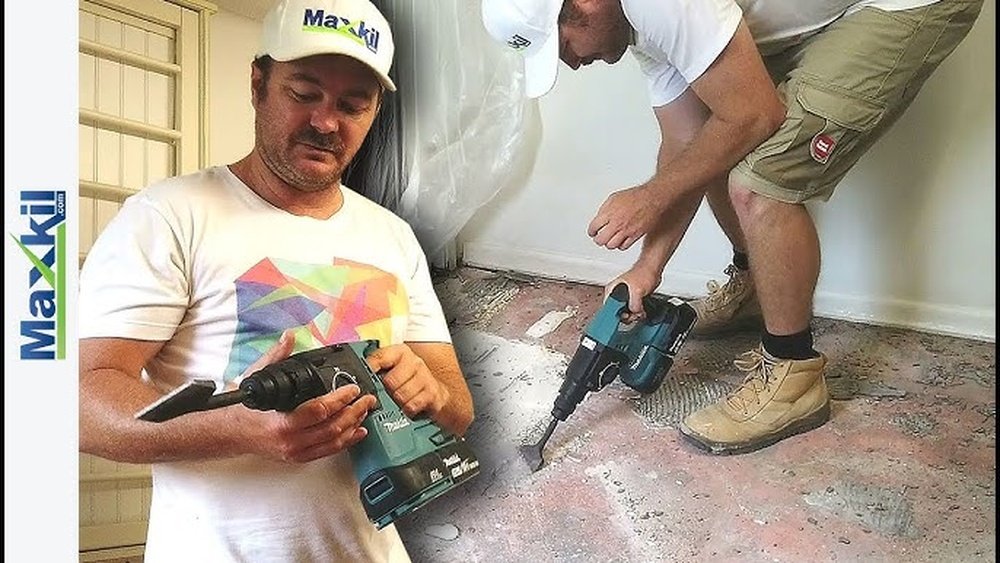
Are you planning to drill into tiles and wondering if a hammer drill is the right tool for the job? Using the wrong drill can crack or damage your tiles, turning a simple task into a costly mess.
You want your project to go smoothly, with clean holes and no frustration. You’ll discover whether a hammer drill is truly the best choice for tiles, and learn the tips that will help you get perfect results every time. Keep reading to avoid common mistakes and make your tile drilling hassle-free.
Credit: jenwoodhouse.com
Hammer Drill Basics
Understanding the basics of a hammer drill helps you decide if it suits your tile work. This tool has unique features that make drilling easier in tough materials. Let’s explore what a hammer drill is, the different types, and how it compares to a regular drill.
What Is A Hammer Drill
A hammer drill is a power tool that drills holes by combining rotation with a hammering action. The hammering helps break hard surfaces like concrete or brick. It pushes the drill bit forward rapidly while spinning it. This action makes drilling faster and less tiring.
Hammer drills are not just for wood or metal. They handle hard materials better than regular drills. This makes them popular for construction and remodeling jobs.
Types Of Hammer Drills
There are mainly two types of hammer drills: rotary hammer and standard hammer drill. A standard hammer drill uses a clutch to create the hammering effect. It works well for light to medium tasks.
Rotary hammer drills have a piston mechanism for stronger impact. They are heavier and more powerful. These are used for heavy-duty drilling in concrete or stone.
Choose the type based on the job’s difficulty and material hardness.
Hammer Drill Vs Regular Drill
A regular drill only spins the drill bit to make holes. It works well for wood, metal, and plastic. It lacks the hammering action needed for hard materials.
Hammer drills add a pounding motion to the spin. This helps break tough surfaces while drilling. They save time and effort on bricks or concrete.
For tiles, using a hammer drill requires care. The strong hammering can crack delicate tiles. Sometimes, a regular drill with a tile bit is safer.
Credit: ceramiccity.ie
Tiles And Drilling Challenges
Drilling into tiles poses special challenges. Tiles are hard and brittle. This makes drilling tricky and can cause cracks or breaks. Choosing the right tools and methods is key. Understanding tile types and common problems helps avoid damage.
Different Types Of Tiles
Tiles come in many kinds. Ceramic tiles are common and moderately hard. Porcelain tiles are denser and harder than ceramic. Glass tiles are fragile and easy to crack. Natural stone tiles like marble or granite vary in hardness. Each tile type needs a careful drilling approach.
Common Drilling Issues With Tiles
Drilling tiles often causes cracks or chips. The drill bit may slip on smooth surfaces. Heat build-up can break the tile or dull the bit. Tiles may shatter if pressure is too high. Water or lubricant is needed to keep the drill bit cool. Patience is vital during drilling.
Risks Of Using The Wrong Tools
A hammer drill is usually too strong for tiles. Its hammer action can break tiles easily. Using regular drill bits may cause slipping and damage. Diamond-tipped drill bits work best for tiles. Wrong tools increase repair costs and effort. Choose tools designed for tile drilling to avoid problems.
Using A Hammer Drill On Tiles
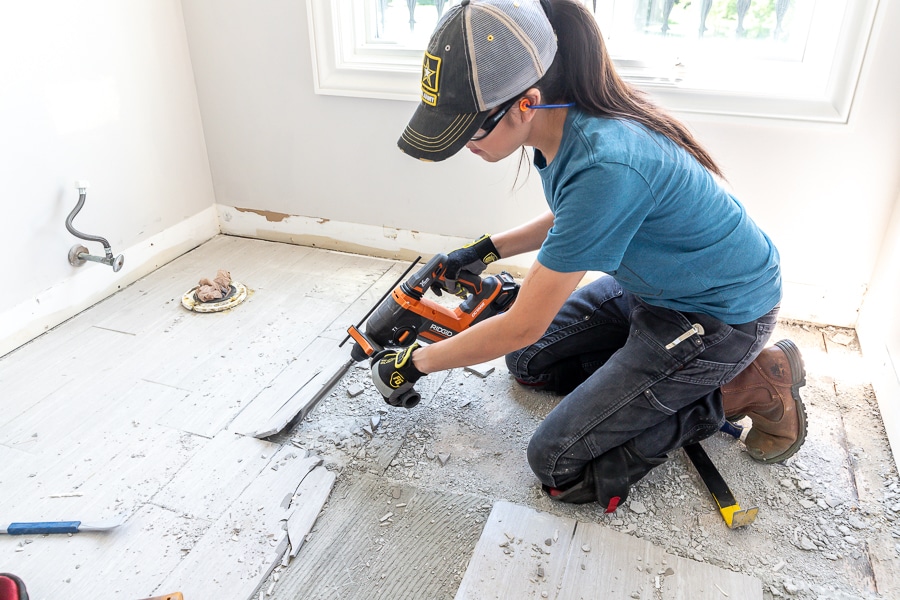
Using a hammer drill on tiles requires care and the right approach. Tiles are hard and fragile. The wrong tool or method can crack or break them. Knowing when to use a hammer drill and how to set it up is key. Choosing the correct drill bit also affects your results. This guide helps you handle tiles safely and effectively with a hammer drill.
When To Use A Hammer Drill
Use a hammer drill only if the tile is thick and set on concrete or stone. Tiles on drywall or thin surfaces do not need hammer action. The hammer mode helps drill through tough materials faster. It is best for ceramic or porcelain tiles on solid backing. Avoid hammer mode on fragile or thin tiles to prevent damage.
Proper Drill Settings For Tiles
Start with the hammer drill in rotary-only mode. This means the drill spins without the hammering action. Use low speed and steady pressure. If the tile is very hard, increase speed slightly. Switch off hammer mode until you get through the tile layer. Turn on hammer mode only after reaching the material below the tile.
Choosing The Right Drill Bit
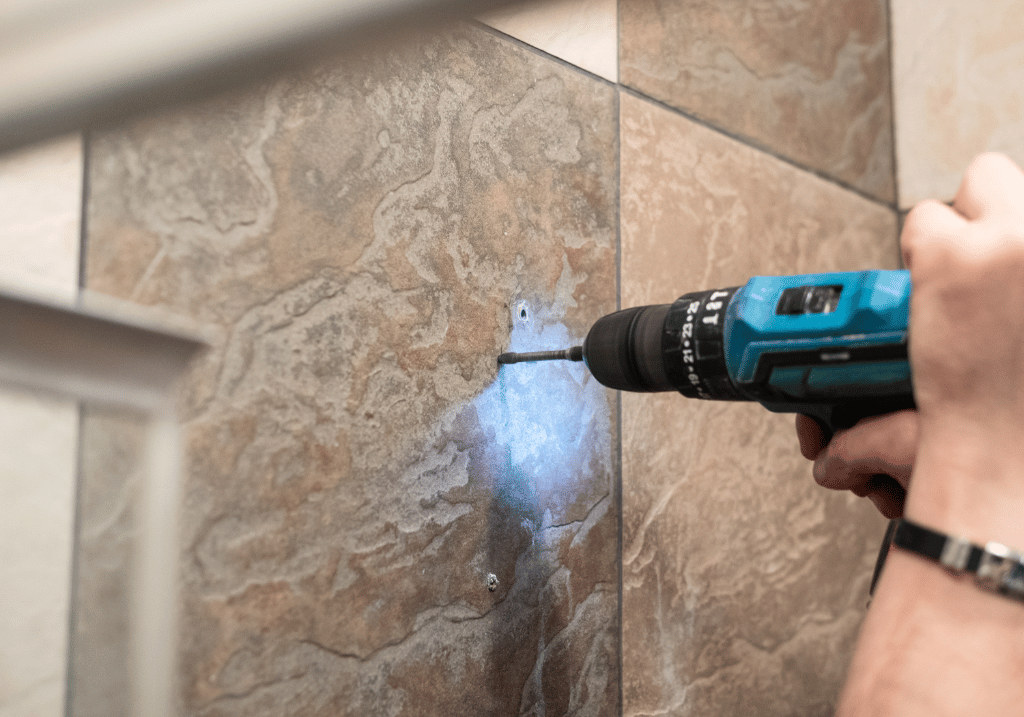
Pick a drill bit made for tiles and masonry. Carbide-tipped or diamond-tipped bits work best. These bits cut through tiles without cracking them. Use a smaller bit for pilot holes. Larger bits can make bigger holes but need more control. Replace dull bits to avoid slipping or damage.
Step-by-step Drilling Process
Drilling into tiles needs care and the right steps. This process helps avoid cracks and ensures clean holes. Follow these steps to drill safely and accurately with a hammer drill.
Preparing The Tile Surface
Start by cleaning the tile surface. Dirt and dust can cause the drill bit to slip. Use a soft cloth and mild cleaner to wipe the area. Let it dry completely before drilling. Place masking tape over the spot. This tape helps prevent the drill bit from sliding.
Marking And Positioning
Use a pencil or marker to mark where you want the hole. Check the mark twice to avoid mistakes. Position the drill bit at a 90-degree angle to the tile. Hold the drill steady to keep it from moving. This step ensures a straight, precise hole.
Drilling Techniques For Clean Holes
Set the hammer drill to a low speed without the hammer function. Start drilling slowly to make a small indentation. This guides the drill bit. Increase speed slowly, applying light pressure. Do not push hard, or the tile may crack. Pause occasionally to cool the bit. Use water to keep the tile cool and reduce dust. Finish drilling through the tile carefully and steadily.
Safety Tips And Precautions
Using a hammer drill on tiles needs care and attention. Safety tips help protect you and keep the tiles intact. Following simple rules makes the job easier and safer.
Protective Gear To Wear
Always wear safety glasses to protect your eyes from flying chips. Use gloves to guard your hands from sharp edges and vibrations. Hearing protection helps if the drill is loud. Wear a dust mask to avoid breathing in dust.
Avoiding Tile Damage
Use the right drill bit made for tiles. Start drilling at a slow speed to prevent cracks. Place tape on the tile surface to stop slipping. Apply light pressure and let the drill do the work. Keep the drill steady to avoid breaking the tile.
Handling Dust And Debris
Work in a well-ventilated area to reduce dust buildup. Clean dust often to keep the workspace clear. Use a vacuum or brush to remove debris safely. Avoid touching dust with bare hands to prevent irritation. Keep children and pets away from the work area.

Credit: www.youtube.com
Alternatives To Hammer Drills
Hammer drills are powerful tools often used for drilling into hard surfaces. But tiles require care and precision. Using a hammer drill on tiles can cause cracks or damage. Several alternatives work better and protect your tiles from breaking. These options help you drill holes safely and cleanly.
Using A Regular Drill
A regular drill is a good choice for tiles. It drills slowly and with less force. Choose a drill bit made for tiles or glass. Start drilling at a low speed. Keep the drill steady and avoid pushing hard. Use water or a wet cloth to cool the bit. This prevents overheating and breaking the tile.
Tile Hole Saws And Bits
Tile hole saws create larger holes without cracking tiles. They have a diamond-coated edge for smooth cutting. Use a drill with adjustable speed and low pressure. Water helps keep the bit cool and reduces dust. Hole saws work well for pipes or fixtures that need bigger holes.
When To Call A Professional
Some tile jobs need expert skill and special tools. Complex patterns or very hard tiles can be tricky. Professionals have experience and the right equipment. They ensure clean holes without damage. Calling a pro saves time and prevents costly mistakes. Choose this option for important or large projects.
Frequently Asked Questions
Can You Use A Hammer Drill On Ceramic Tiles?
Yes, you can use a hammer drill on ceramic tiles. However, use a low hammer setting and a carbide-tipped bit. This prevents cracking and ensures precise holes for anchors or screws.
What Drill Bit Is Best For Drilling Tiles?
A carbide-tipped or diamond-tipped drill bit is best for tiles. These bits cut through hard tile surfaces cleanly without causing damage or cracks.
Should I Avoid Hammer Function When Drilling Tiles?
Yes, avoid the hammer function initially. Start with a slow speed and no hammering to avoid cracks. Use hammer mode only if drilling into the substrate beneath tiles.
How Do I Prevent Tiles From Cracking When Drilling?
Use masking tape over the drilling spot to reduce slipping. Drill slowly with light pressure and a suitable bit to prevent cracks.
Conclusion
Using a hammer drill on tiles can cause cracks or damage. A regular drill with a tile bit works best for tiles. Always choose the right tool to protect your surface. Take your time and drill slowly for clean holes.
Careful preparation helps you avoid costly mistakes. Remember, the right tool makes the job easier and safer. Keep these tips in mind for your tile projects.
