

Have you ever wondered how much power your cordless drill actually uses? Knowing how many amps your drill draws can help you choose the right battery, avoid overloading your circuits, and make your work more efficient.
Whether you’re a DIY enthusiast or a professional, understanding this simple detail can save you time and frustration. Keep reading to find out exactly what affects your drill’s power and how to get the best performance from it.
Credit: extoltools.com
Cordless Drill Power Basics
Cordless drills rely on electric power stored in batteries. This power determines how strong and fast the drill works. Understanding the basics of power helps choose the right drill for your tasks.
Power depends on two main factors: voltage and current. These affect how much energy the drill uses and how long the battery lasts. Knowing about batteries is also important because they impact performance.
Voltage And Current Relationship
Voltage is the force that pushes electric current through the drill. Higher voltage means the drill can work harder and drill faster. Most cordless drills have voltages between 12 and 20 volts.
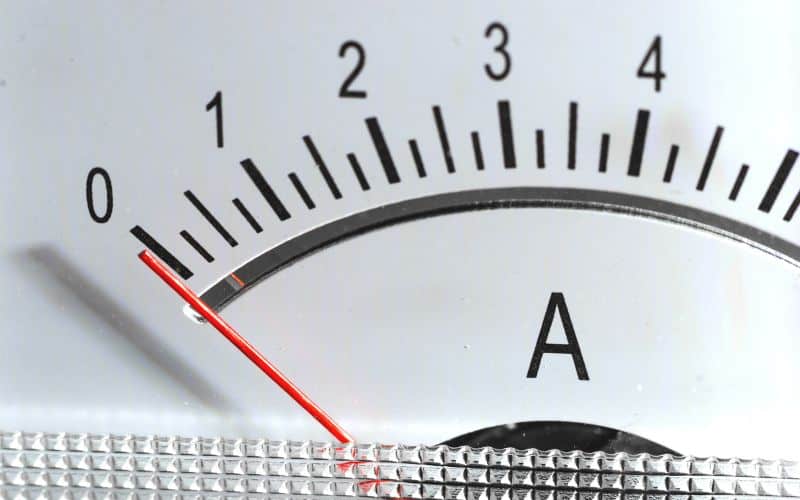
Current, measured in amps, shows how much electric charge flows. The drill’s motor draws current to spin the bit. More amps mean more power but also faster battery drain.
Voltage and current work together to deliver power. Power equals voltage multiplied by current. For example, a 18-volt drill drawing 2 amps uses 36 watts of power.
Battery Types And Their Impact
Battery type affects how much current a drill can draw and for how long. Common batteries are nickel-cadmium (NiCd), nickel-metal hydride (NiMH), and lithium-ion (Li-ion).
Li-ion batteries are popular. They hold more charge, weigh less, and provide steady power. NiCd batteries are heavier and have less capacity but cost less.
The battery’s capacity is measured in amp-hours (Ah). Higher Ah means longer run time. A 2 Ah battery lasts twice as long as a 1 Ah battery at the same current draw.
Choosing the right battery helps match the drill’s power needs and working time.

Credit: electronics.stackexchange.com
Amp Draw Factors
The amp draw of a cordless drill varies depending on several key factors. These factors affect how much electrical current the drill uses during operation. Understanding these elements helps you choose the right drill and use it efficiently.
Load And Usage Conditions
The amp draw increases when the drill faces heavy resistance. Drilling through hard materials like metal or concrete requires more power. Light tasks, such as drilling wood, use less current. Pushing the drill too hard also raises the amp draw. Keeping the drill steady helps maintain a lower amp draw.
Motor Efficiency
Different drills have motors with varying efficiency levels. A more efficient motor uses less current for the same work. Old or poorly maintained motors can draw more amps. Brushless motors often run cooler and draw less power. Efficient motors extend battery life and reduce heat build-up.
Drill Speed Settings
Higher speed settings usually increase the amp draw. Low speed is ideal for high-torque tasks and uses less power. High speed suits drilling smaller holes and may draw more amps. Adjusting the speed to match the job saves battery and reduces wear. Speed control is crucial for balancing power and efficiency.
Typical Amp Ranges
Understanding the typical amp ranges of cordless drills helps in choosing the right tool. Amps show how much electrical current the drill uses. This affects the drill’s power and battery life. Different drills have different amp needs based on their size and purpose.
Light-duty Drills
Light-duty drills usually draw between 1 and 4 amps. These drills are perfect for small jobs and home projects. They use less power and are easier to handle. Their batteries last longer because they consume less current. Ideal for drilling into wood or light materials.
Heavy-duty Drills
Heavy-duty drills often draw 5 to 10 amps or more. These drills handle tougher jobs like drilling into metal or concrete. They need more power to maintain strong torque and speed. Their batteries drain faster due to higher current use. Best for construction or professional work.
Battery Capacity And Runtime
Battery capacity and runtime are key factors in cordless drill performance. These two elements determine how long your drill can work before needing a recharge. Understanding battery capacity helps you choose the right drill for your tasks. Runtime shows how long the battery lasts under use. Both depend on the drill’s power draw and battery size.
Amp Hours Explained
Amp hours (Ah) measure battery capacity. It shows how much charge a battery holds. A higher Ah means longer runtime. For example, a 2 Ah battery holds twice the charge of a 1 Ah battery. This means the drill can run longer before stopping. Amp hours are important when comparing battery packs.
How Amp Draw Affects Battery Life
Amp draw is the amount of current the drill uses. Higher amp draw uses battery power faster. If a drill draws 10 amps, it drains the battery quicker than one drawing 5 amps. Heavy tasks increase amp draw and reduce runtime. Understanding amp draw helps predict how long your drill will work on one charge.
Measuring Amp Draw
Measuring the amp draw of a cordless drill helps understand its power use. Knowing this information can guide you in choosing the right drill for your needs. It also helps in maintaining battery life and tool efficiency.
The amp draw shows how much current the drill pulls during operation. Measuring it requires specific tools and some basic knowledge. This section explains how to measure amp draw accurately and interpret the results.
Using A Clamp Meter
A clamp meter is the best tool to measure the amp draw of a cordless drill. It clamps around the drill’s power wire without disconnecting it. This tool reads the current flowing through the wire in amps.
To use it, turn on the drill and set the clamp meter to the correct current range. Then, clamp the meter around the drill’s battery wire or power cable. The meter will show the real-time amp draw as the drill works.
This method is safe and easy for most users. It avoids breaking the circuit or using complex setups. You get quick and clear readings of the drill’s power consumption.
Interpreting The Results
The amp draw varies with the drill’s workload. Higher amps mean more power is used to turn the drill bit. Low amps indicate light work or the drill is idling.
Typical cordless drills draw between 1 and 5 amps under normal use. If the reading is too high, it may mean the drill is overloaded or the battery is weak. Too low can suggest the drill is not working properly.
Use the amp draw information to compare different drills or check tool health. Regular checks can prevent damage and ensure efficient use of your cordless drill.
Credit: www.youtube.com
Safety And Maintenance Tips
Using a cordless drill safely extends its life and keeps you safe. Proper care reduces the risk of damage and injury. Follow these tips for safety and maintenance.
Preventing Overload
Do not push the drill too hard. Applying too much force makes the motor draw more amps. This can cause the battery to drain quickly or the drill to overheat. Use the right drill bit and speed for your task. Let the drill do the work. Stop if the drill slows down or heats up.
Proper Charging Practices
Always use the charger made for your drill’s battery. Charging with the wrong charger can damage the battery. Charge the battery in a cool, dry place. Avoid charging in extreme heat or cold. Remove the battery once fully charged. Do not leave the battery on the charger for days. This keeps the battery healthy and lasts longer.
Frequently Asked Questions
How Many Amps Does A Cordless Drill Typically Use?
Cordless drills usually draw between 1 to 3 amps during operation. The exact current depends on the drill’s voltage and load. Higher voltage drills may draw lower amps but deliver more power. Understanding amps helps choose the right battery for your drill’s needs.
Does Drill Speed Affect Amp Draw?
Yes, drill speed directly impacts amp draw. Higher speeds increase current consumption as the motor works harder. When drilling into tough materials, amps rise to maintain torque. Variable speed drills allow better control of amp draw and battery life.
How Does Battery Voltage Relate To Amp Draw?
Higher battery voltage often means lower amp draw for the same power output. Voltage and amps together determine overall wattage or power. A 20V drill drawing 2 amps uses 40 watts. This balance helps optimize performance and battery runtime.
Can Amp Draw Affect Drill Battery Life?
Yes, higher amp draw drains the battery faster. Consistent heavy use at high amps reduces overall battery lifespan. Managing amp draw by adjusting speed and load prolongs battery health. Choosing a drill with efficient power consumption improves battery longevity.
Conclusion
Cordless drills usually draw between 1 and 3 amps during use. This depends on the drill’s power and the task you do. Knowing the amp draw helps you pick the right battery and charger. It also keeps your work safe and efficient.
Always check the drill’s manual for exact details. Understanding amps makes your projects smoother and more reliable. Simple knowledge goes a long way in using tools well. Choose wisely, work smart, and finish your jobs with ease.
