

Are you unsure how fast your drill press is spinning? Knowing the RPM (revolutions per minute) of your drill press is key to getting the best results and keeping your work safe.
If you use the wrong speed, your drill bits can wear out quickly or your materials can get damaged. You’ll discover simple ways to determine your drill press’s RPM without any guesswork. By the end, you’ll have the confidence to set the perfect speed for every job and improve your drilling skills.
Keep reading to unlock these easy, practical tips!
Drill Press Basics
A drill press is a powerful tool used for precise drilling tasks. It holds the drill bit steady and moves it straight down into the material. Understanding the basics helps you use this tool safely and effectively.
Knowing how to control the speed of the drill press is very important. The speed is measured in revolutions per minute, or RPM. Different materials need different speeds for the best results.
Key Components
The drill press has several main parts. The base supports the machine and keeps it stable. The column is a strong vertical pole that holds the head and the table. The table holds the workpiece and can be moved up or down.
The head houses the motor and the spindle. The spindle spins the drill bit. The feed lever lowers the drill bit into the material. Understanding these parts helps you control the machine better.
Importance Of Rpm
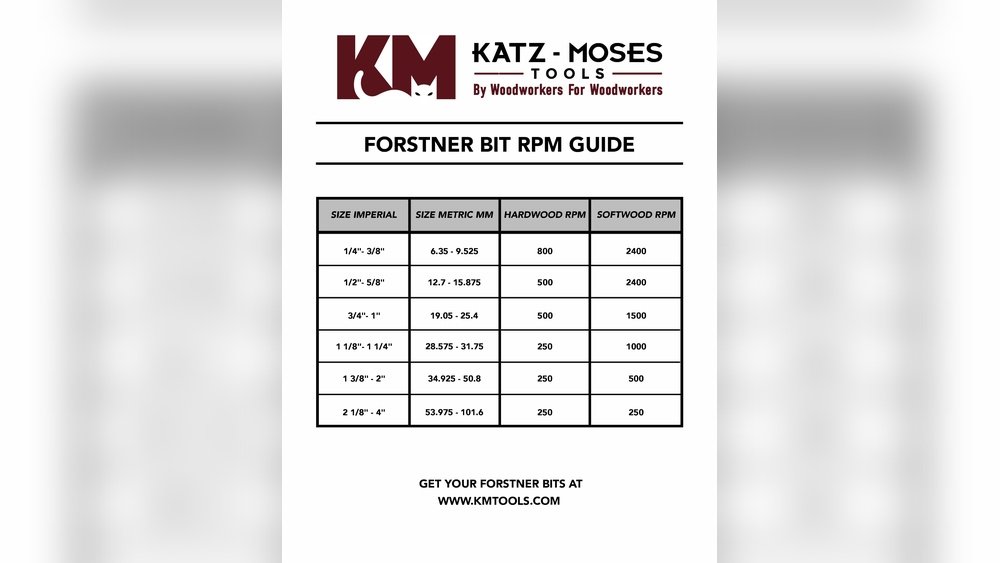
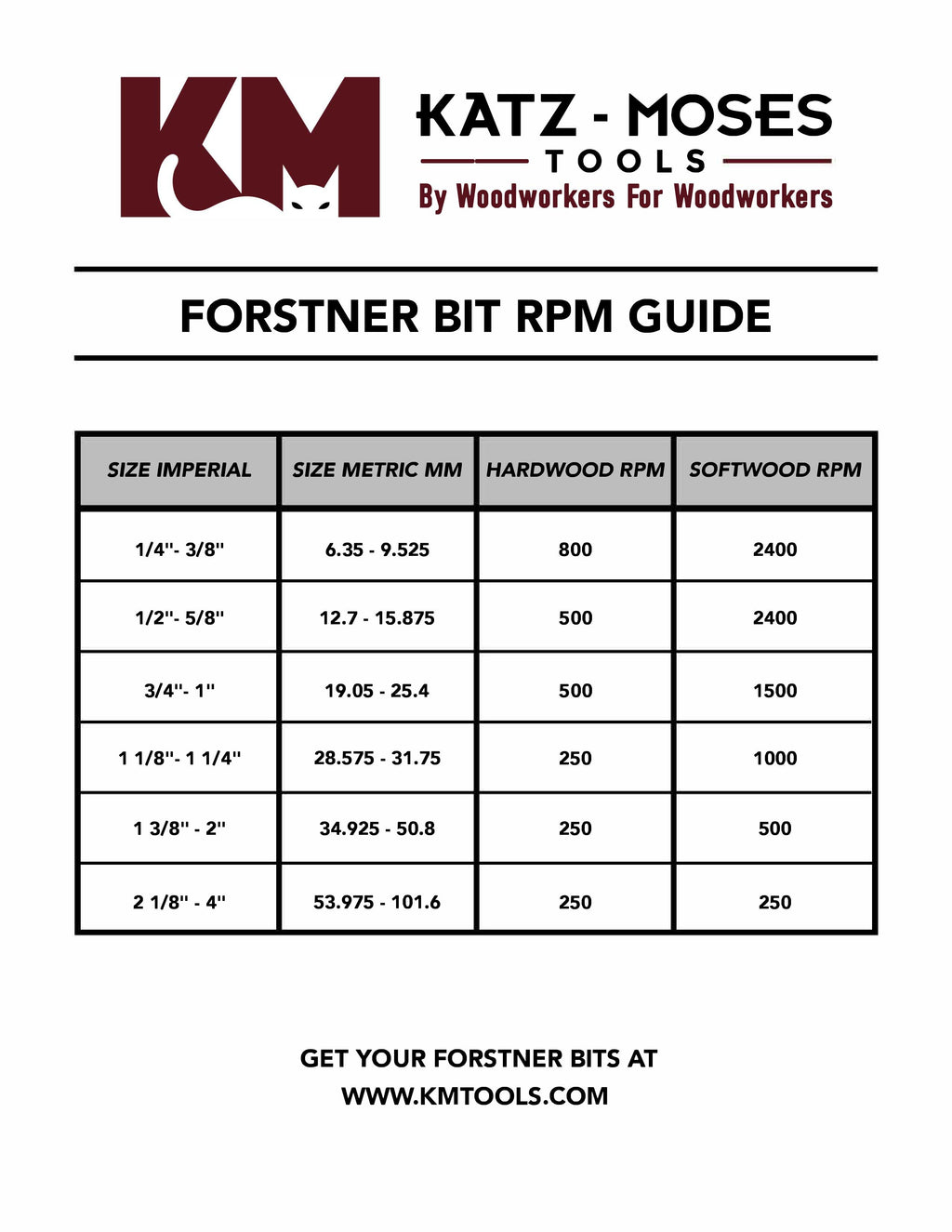
RPM means how fast the drill bit spins. Different speeds suit different materials and drill bit sizes. Too fast can cause heat and damage. Too slow may cause rough holes or broken bits.
Adjusting RPM helps get clean, accurate holes. It also increases tool life and improves safety. Knowing the right RPM improves your drilling work every time.
Credit: kmtools.com
Methods To Check Rpm
Knowing the RPM (revolutions per minute) of a drill press is important for safe and accurate work. RPM affects how well the drill cuts through material and prevents damage. There are a few easy methods to check the RPM on your drill press. Each method varies in tools and steps, so choose the one that fits your needs.
Using A Tachometer
A tachometer is a tool that measures RPM directly. You can buy a handheld or contact tachometer for this task. Place the tachometer sensor on the drill press spindle or chuck. Turn the drill press on and read the RPM on the device screen. This method is fast and gives an exact RPM number.
Counting Pulley Positions
Many drill presses have adjustable pulleys with different speed settings. The RPM changes based on the pulley positions. Check the belts and pulleys on your machine. Count the number of steps or settings on the pulley system. Use a chart or guide to match the pulley position to the RPM. This method is simple but needs the pulley chart for accuracy.
Consulting The Manual
The drill press manual usually lists RPM values for different settings. Find your model’s manual online or in paper form. Look for the speed chart or RPM table inside. The manual shows the RPM for each pulley or speed setting. This method is easy and reliable if you have the manual handy.
Calculating Rpm Manually
Calculating the RPM of a drill press manually helps you control the speed for different tasks. This process involves understanding the belt and pulley system. It also requires a simple formula to find the exact RPM. Knowing this helps you work safely and efficiently.
Belt And Pulley Ratios
The drill press speed changes by moving the belt on different pulleys. Each pulley has a specific diameter. The ratio between the driver pulley (motor side) and the driven pulley (spindle side) affects the RPM.
For example, a smaller driver pulley with a larger driven pulley reduces speed. A larger driver pulley with a smaller driven pulley increases speed. This ratio is key to calculating RPM manually.
Formula For Rpm Calculation
The formula to calculate RPM is simple. Divide the diameter of the driver pulley by the diameter of the driven pulley. Then multiply the motor RPM by this ratio.
Formula:
RPM = (Driver Pulley Diameter ÷ Driven Pulley Diameter) × Motor RPM
This formula gives the spindle RPM. Use a ruler or caliper to measure the pulley diameters. Motor RPM is usually found on the motor label.
Adjusting Rpm On Your Drill Press
Adjusting the RPM on your drill press helps control the speed of the drill bit. Proper speed improves cutting quality and tool life. Different materials and bit sizes need different speeds. Understanding how to adjust RPM is key for good results.
Changing Belt Positions
Many drill presses use belts to change speed. The belt moves between pulleys of different sizes. Moving the belt to a larger pulley increases speed. Moving it to a smaller pulley decreases speed. Always turn off the drill press before changing belts. Loosen the motor mount to move the belt easily. Check the belt for wear and replace if needed. This method gives you fixed speed settings to choose from.
Using Variable Speed Controls
Some drill presses have variable speed controls. These controls adjust the motor speed directly. Use a dial or lever to set the desired RPM. Variable speed lets you fine-tune the speed quickly. It works well for different materials and tasks. Start at a low speed and increase as needed. This method is safer and more convenient than changing belts. Keep the drill press clean for smooth control operation.
Tips For Accurate Rpm Measurement
Measuring the RPM on a drill press needs care and precision. The right steps help you get the correct speed. This ensures your work is safe and accurate. Follow simple tips for the best results.
Safety Precautions
Always wear safety goggles to protect your eyes. Keep hands away from moving parts. Turn off the drill press before adjusting settings. Use a clamp to hold your workpiece firmly. Check the area for any loose tools or debris. These steps reduce the risk of accidents.
Maintaining Equipment
Clean the drill press regularly to avoid dust build-up. Lubricate moving parts to keep them running smoothly. Check belts and pulleys for wear or damage. Replace worn parts immediately to maintain accuracy. A well-maintained drill press gives more reliable RPM readings.

Credit: www.amazon.com

Credit: www.reddit.com
Frequently Asked Questions
How Do I Find The Rpm On My Drill Press?
Check the drill press’s speed chart or pulley settings. Match belt positions to the chart for exact RPM values.
Why Is Knowing Drill Press Rpm Important?
Correct RPM ensures clean cuts, prevents tool damage, and improves safety during drilling tasks.
Can I Measure Rpm Without A Tachometer?
Yes, use a smartphone app or a strobe light to estimate RPM accurately and easily.
How Does Material Affect Drill Press Rpm Settings?
Hard materials require lower RPM to avoid overheating; soft materials need higher RPM for smooth drilling.
Conclusion
Knowing how to find the RPM on a drill press helps you work safely. It ensures you use the right speed for different materials. Always check your drill press settings before starting. Use the formula or the machine’s guide to get the RPM.
This small step can protect your tools and improve your results. Keep practicing, and soon it will feel easy. Accurate RPM control makes your projects better and safer every time.
