


Are you ready to give your cabinets a perfect, professional look? Drilling the right hole for a cabinet hinge might seem tricky, but with the right steps, you can do it yourself quickly and easily.
Imagine opening your cabinet doors smoothly, knowing you did the work yourself. This guide will show you exactly how to drill a hole for a cabinet hinge with confidence. Keep reading, and you’ll learn the simple tricks that save time and prevent mistakes—making your next project a success from start to finish.
Choosing The Right Drill And Bit
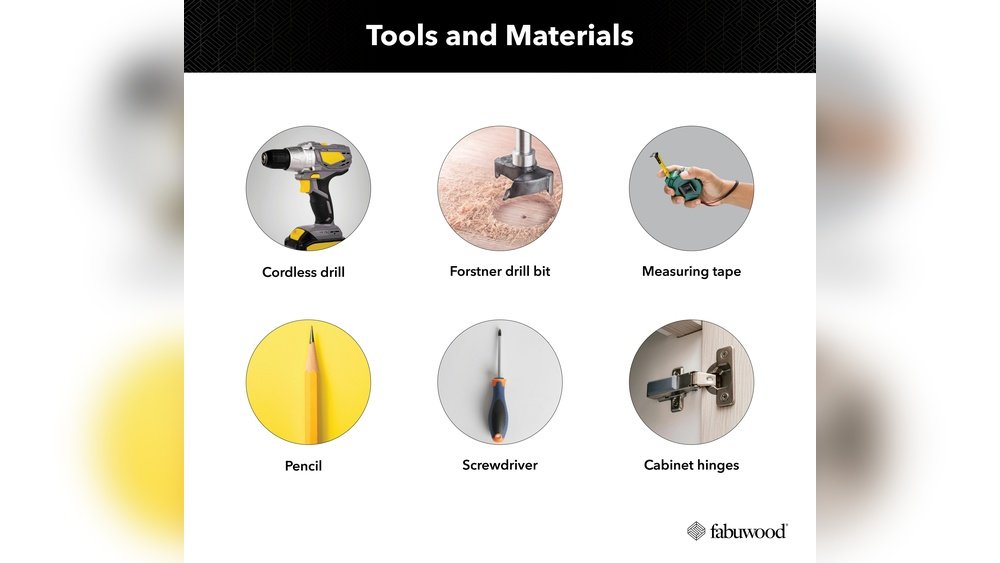
Choosing the right drill and bit is very important for drilling cabinet hinge holes. The right tools make your work easier and the holes more accurate. This helps the hinges fit well and work smoothly. Using the wrong drill or bit can damage the wood or make the hole uneven. Below, we explain how to pick the correct drill and bit for this task.
Types Of Drills Suitable For Cabinet Hinges
A cordless drill is a good choice for cabinet hinge holes. It is easy to handle and moves freely. A corded drill offers steady power for tough wood. Both types work well, but cordless drills are best for small jobs.
Drill drivers with adjustable speed help control the drilling speed. This prevents mistakes and wood damage. Choose drills with a comfortable grip and good balance. These features reduce hand fatigue and improve accuracy.
Selecting The Correct Drill Bit Size
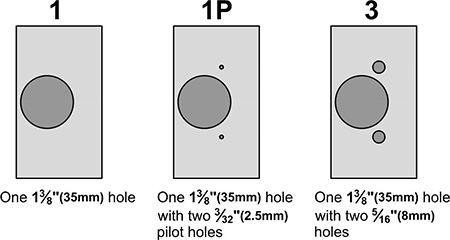
Cabinet hinges need precise hole sizes to fit correctly. Check the hinge instructions for the right bit size. Most European hinges use a 35mm hole for the cup. Smaller hinges may need 26mm or 30mm bits.
Use a drill bit that matches the hinge cup diameter exactly. Too small or too large holes cause loose or tight hinges. Measure twice to avoid mistakes. Accurate sizes ensure the hinge stays secure and works well.
Using Forstner Bits For Clean Holes
Forstner bits create flat-bottom holes with smooth edges. They are perfect for cabinet hinge cups. These bits drill precise, clean holes without splintering the wood.
Forstner bits come in various sizes, including the common 35mm size. Use a drill press or steady hand for best results. Clean holes make hinge installation easier and improve cabinet appearance.

Credit: www.youtube.com
Preparing The Cabinet Door
Preparing the cabinet door is the first step before drilling holes for hinges. This stage ensures the holes are in the right place and the door stays safe during drilling. Taking time here saves effort later and helps the door fit perfectly.
Marking Hinge Locations Accurately
Use a pencil to mark where the hinges will go on the door. Measure carefully from the edges to keep marks even. Double-check the marks to avoid mistakes. Accurate marks guide your drill and keep the hinges aligned.
Measuring Depth And Distance
Check the hinge size for the right hole depth. Use a drill bit that matches the hinge cup size. Measure how far from the edge the hole should be. Correct depth and distance help the hinge fit tight and work well.
Securing The Door For Drilling
Place the door on a stable surface. Use clamps to hold it steady and prevent movement. A steady door stops slips and uneven holes. Safety improves, and drilling becomes easier with the door fixed in place.
Drilling Techniques For Precision
Drilling a hole for a cabinet hinge requires accuracy. Precise drilling ensures the hinge fits well and the cabinet door functions smoothly. Using the right techniques makes the job easier and prevents mistakes. Below are key drilling techniques for precision.
Setting Drill Speed And Pressure
Choose the right drill speed for your material. Use slower speeds for harder wood to avoid burning. Softer wood allows faster drilling. Apply steady, moderate pressure. Too much pressure can crack the wood. Too little pressure makes the drill slip. Find a balance to keep control and efficiency.
Maintaining Drill Stability
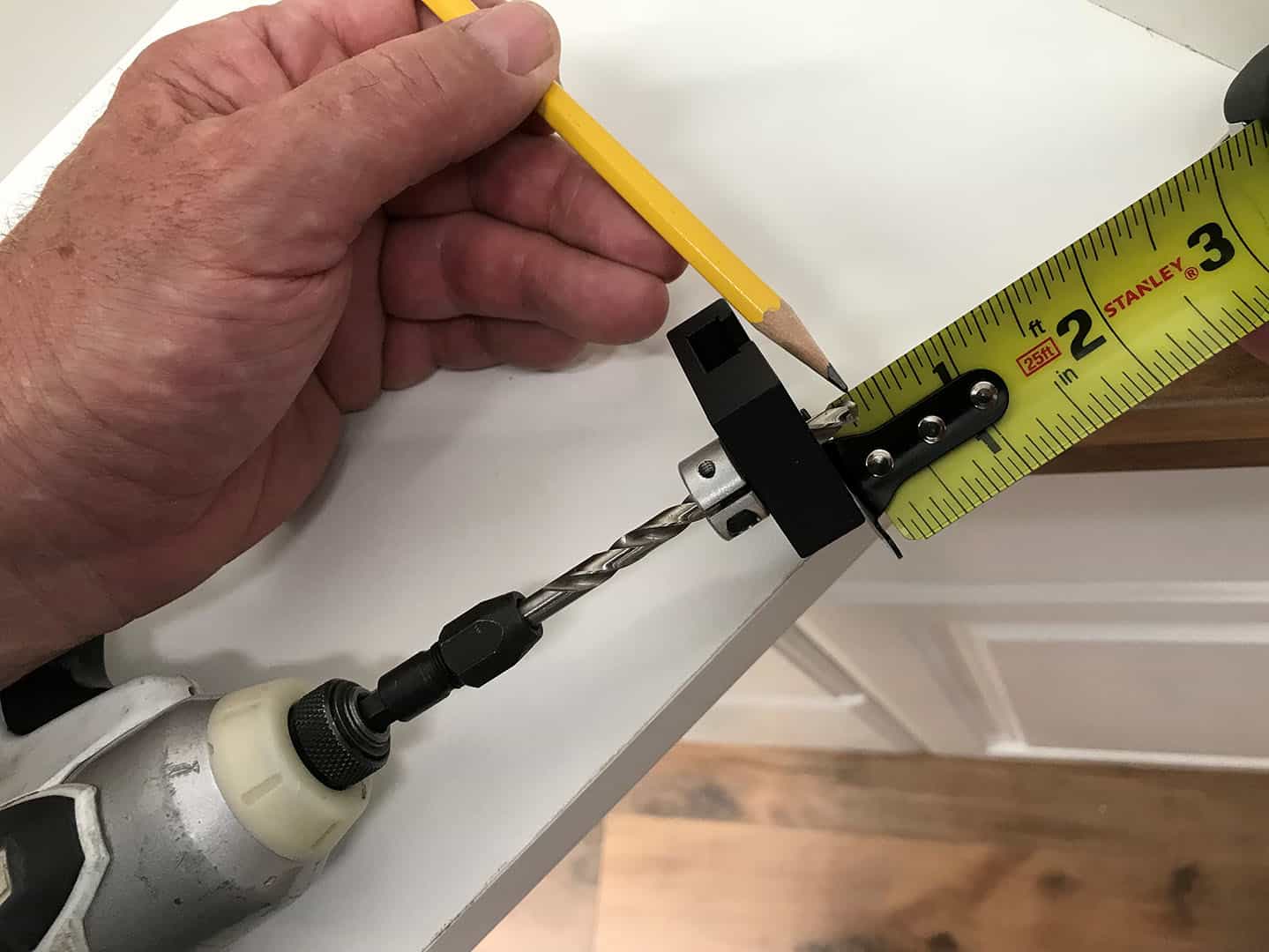
Hold the drill firmly with both hands. Keep the drill perpendicular to the cabinet surface. Use a drill guide or jig if available. Start drilling slowly to create a small guide hole. This prevents the drill bit from wandering. Stability ensures a clean, straight hole for the hinge.
Avoiding Splintering And Damage
Place masking tape over the drilling spot. This reduces splintering on the wood surface. Drill halfway through the front side first. Then, flip the wood and drill from the back. This technique helps prevent tear-out on the exit side. Use a sharp drill bit to minimize damage.
Credit: truepositiontools.com
Installing The Cabinet Hinges
Installing cabinet hinges is a key step in cabinet assembly. It ensures doors open smoothly and fit well. Proper installation gives a clean look and long-lasting use.
Follow each step carefully. Align hinges, secure screws, and test movement. This will help avoid mistakes and save time.
Aligning Hinges With Drilled Holes
Place the hinge over the drilled holes on the cabinet door. Make sure the holes match perfectly. Check the hinge sits flat and straight. Misalignment can cause door problems later.
Securing Hinges With Screws
Insert screws into the hinge holes. Use a screwdriver to tighten them firmly. Avoid over-tightening to prevent damage. Screws should hold the hinge steady without wobble.
Testing Hinge Movement
Open and close the cabinet door slowly. Watch for smooth, even motion. Listen for squeaks or resistance. Adjust screws if the door sticks or hangs unevenly.
Troubleshooting Common Issues
Drilling holes for cabinet hinges can be tricky. Small mistakes can cause big problems. This section helps you fix common issues fast. Stay calm and follow these tips to get it right.
Fixing Misaligned Holes
Misaligned holes make doors hard to close. Check the hinge placement carefully before drilling. Use a template to keep holes even. If holes are off, fill them with wood filler. Let it dry fully. Then, drill new holes slightly offset from the old ones.
Dealing With Over-drilled Holes
Over-drilled holes are too large for screws. This weakens the hold. Fill the hole with wooden dowels or toothpicks and glue. Let the glue dry well. Trim the excess material flush with the surface. Drill the hole again carefully, smaller this time.
Preventing Door Warping
Warping happens when doors get wet or uneven pressure is applied. Seal the door edges with paint or varnish to stop moisture. Avoid tightening screws too much; this can bend the wood. Check hinges for even pressure to keep the door flat and smooth.
Safety Tips And Best Practices
Drilling a hole for a cabinet hinge requires care and attention. Safety is important to avoid accidents and damage. Follow these tips to work safely and efficiently. Good habits protect you and ensure quality results.
Wearing Protective Gear
Always wear safety glasses to protect your eyes from wood chips. Use gloves to keep your hands safe from sharp edges. Hearing protection helps reduce noise from the drill. Proper gear keeps you safe during the entire process.
Keeping Work Area Organized
Clear your workspace of clutter before starting. Keep tools and materials within easy reach. Remove any loose items that could cause tripping. An organized area lets you focus on the task safely and quickly.
Maintaining Drill Equipment
Check the drill for damage before use. Make sure the drill bit is sharp and secure. Clean the tool after every use to prevent buildup. Well-maintained equipment works better and reduces risks.
Credit: www.eliaswoodwork.com
Frequently Asked Questions
What Tools Do I Need To Drill A Cabinet Hinge Hole?
You need a drill, a Forstner bit (typically 35mm), a pencil, measuring tape, and a clamp. These tools help ensure precise and clean hinge holes.
How Deep Should I Drill For A Cabinet Hinge?
Drill to a depth of about 12-13mm to fit the hinge cup properly. Use a drill stop or tape to control the depth.
How Do I Mark The Drilling Spot For Cabinet Hinges?
Measure and mark the hinge position on the cabinet door edge with a pencil. Use a template or ruler for accuracy and consistency.
Can I Drill Hinge Holes Without A Jig?
Yes, but using a jig ensures perfect alignment and consistent depth. Without a jig, take extra care with measurements and steady drilling.
Conclusion
Drilling a hole for a cabinet hinge is simple with the right steps. Measure carefully and mark the spot clearly. Use the correct drill bit for clean holes. Take your time to avoid mistakes. Practice on scrap wood if needed.
Proper drilling ensures your cabinet doors fit well. Follow these tips for a smooth, precise job every time. Enjoy your well-installed hinges and a neat cabinet look. Keep safety in mind and work patiently. Small efforts bring great results.
