


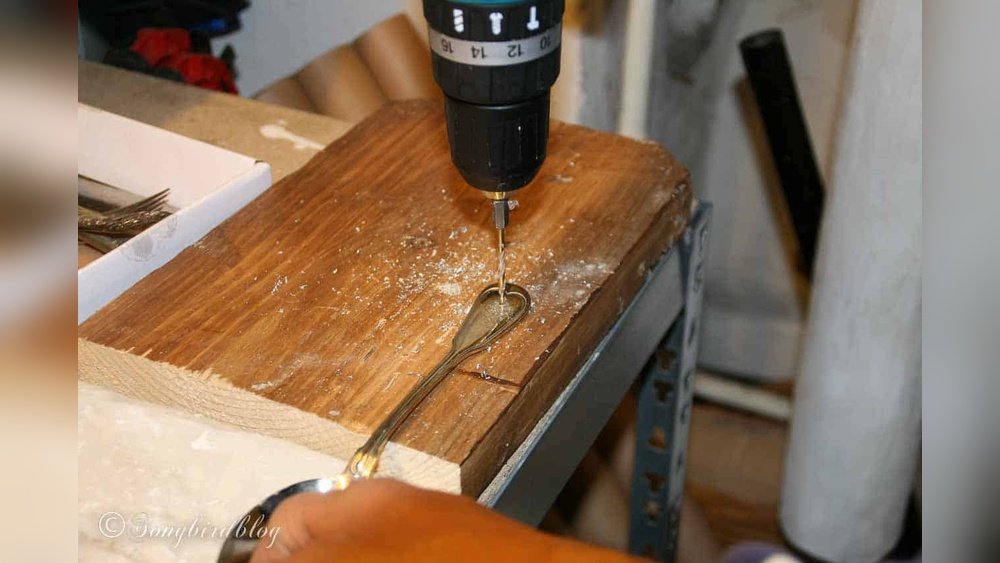
Have you ever wanted to turn old silverware into unique crafts or jewelry but didn’t know where to start? Drilling a hole in silverware might sound tricky, but with the right steps, you can do it safely and easily.
Imagine transforming a simple spoon or fork into a beautiful necklace or keychain you made yourself. In this guide, you’ll learn exactly how to drill a hole in silverware without damaging it or hurting yourself. Keep reading, and by the end, you’ll have the confidence to create your own amazing silverware projects.
Tools Needed
Drilling a hole in silverware requires the right tools for safety and success. Using proper equipment helps you make clean, precise holes without damaging the silverware. Prepare your workspace with all tools ready before you start.
Choosing The Right Drill
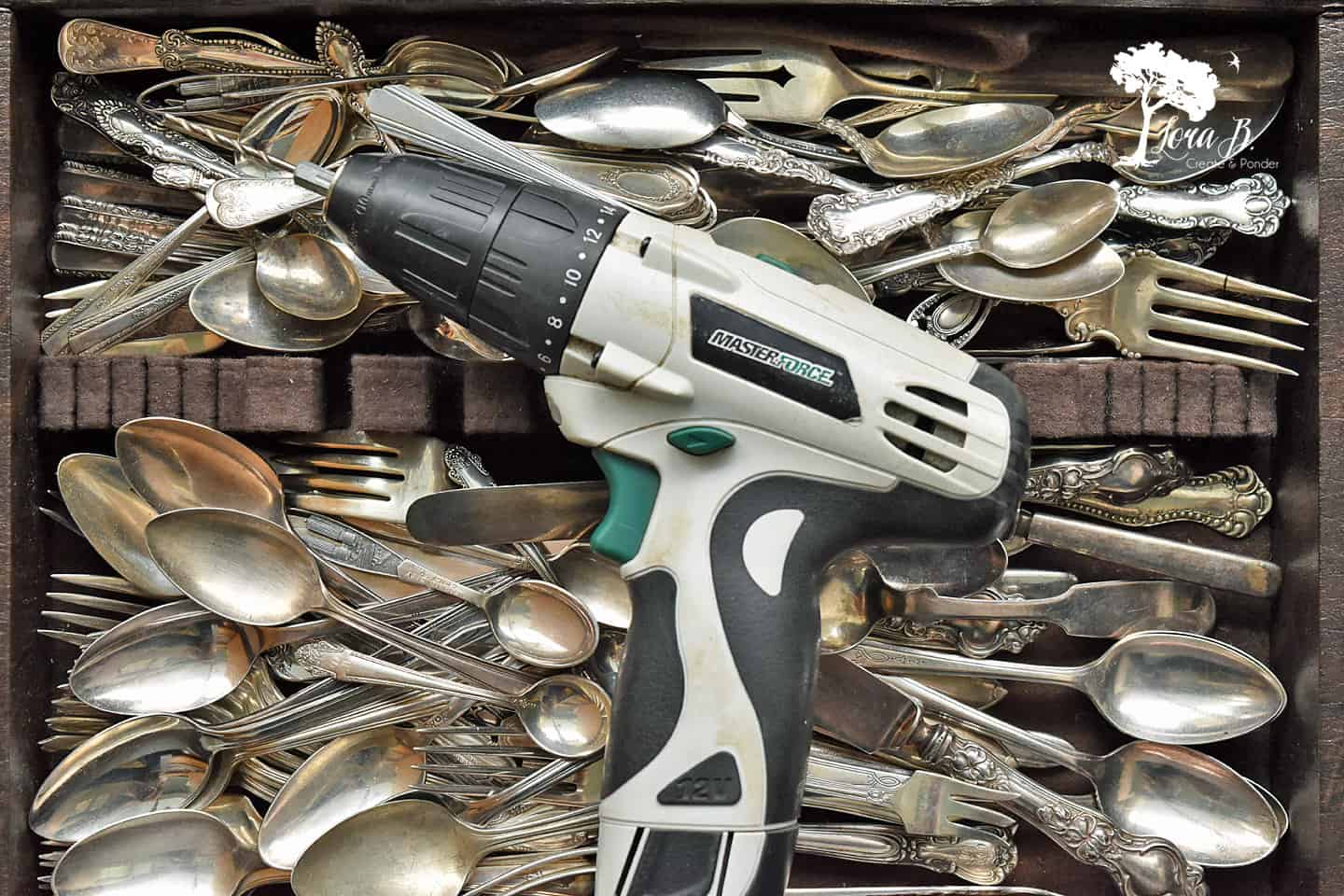
Pick a drill that offers good control. A cordless drill with adjustable speed works best. Low speed helps avoid overheating the metal. Choose a drill that fits comfortably in your hand for steady handling.
Selecting Drill Bits
Use drill bits made for metal. Titanium or cobalt bits last longer and cut smoothly. Start with a small bit for a pilot hole. Then use a larger bit to reach the desired size. Sharp bits reduce slipping and make drilling easier.
Additional Supplies
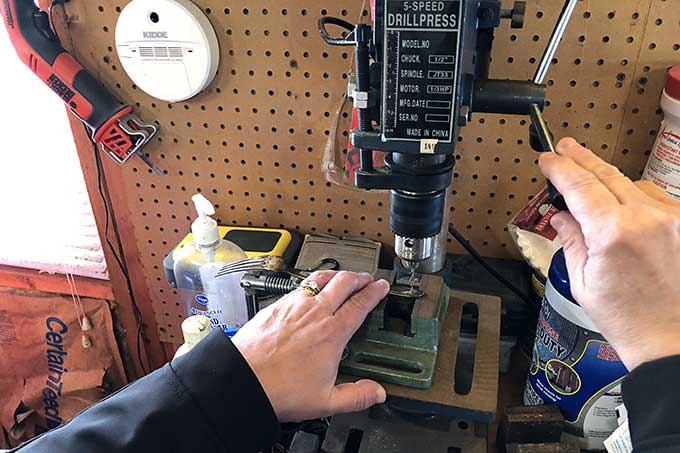
Gather safety glasses to protect your eyes from metal shavings. Use a clamp or vise to hold the silverware steady. Apply cutting oil to reduce heat and wear on the drill bit. Have a marker to mark the drilling spot clearly.
Credit: lorabloomquist.com
Preparing Silverware
Preparing silverware for drilling is a crucial step. It ensures safety and precision. Proper preparation helps avoid damage and slipping. Follow these simple steps to get ready before drilling.
Cleaning And Drying
Clean the silverware with soap and water. Remove all dirt, grease, and stains. Dry it completely using a soft cloth. Moisture can cause the drill to slip or rust.
Marking The Drill Spot
Use a pencil or marker to mark the spot. Place the mark where you want the hole. Make it clear and small for accuracy. This guide helps the drill stay in place.
Securing The Piece
Hold the silverware firmly using a clamp or vise. Secure it on a stable surface to prevent movement. This keeps your hands safe during drilling. A steady piece means a clean and precise hole.
Drilling Techniques
Drilling a hole in silverware requires careful techniques to avoid damage. Using the right methods helps create clean, precise holes. Focus on drill speed, angle, and pressure for best results.
Setting Drill Speed
Choose a low drill speed to prevent silverware from overheating. High speed can melt or warp the metal. Use a drill with adjustable speed settings. Start slow and increase only if needed.
Drilling At The Correct Angle
Hold the drill perpendicular to the silverware surface. An angled drill can cause uneven holes or slips. Use clamps to keep the silverware steady. This helps maintain the correct angle throughout drilling.
Applying Steady Pressure
Press the drill gently but firmly. Too much pressure can break the drill bit or damage silverware. Too little pressure wastes time and causes slipping. Keep a steady hand for smooth drilling.
Credit: www.themamasgirls.com
Safety Tips
Drilling a hole in silverware needs care and attention. Safety is the top priority. Follow these safety tips to avoid accidents and protect yourself.
Protective Gear
Always wear safety goggles to protect your eyes. Small metal pieces can fly during drilling. Use gloves to protect your hands from sharp edges. Wear a dust mask if metal dust forms. Proper gear keeps you safe throughout the process.
Work Area Setup
Choose a clean, well-lit workspace. Make sure your work surface is stable and flat. Use clamps to hold the silverware firmly. This stops it from moving while drilling. Keep your tools and materials organized to avoid distractions.
Handling Sharp Edges
Silverware edges can be sharp after drilling. Handle pieces carefully to avoid cuts. Use a file or sandpaper to smooth rough edges. Take your time to prevent injuries. Safe handling ensures a clean, polished final product.
Finishing Touches
After drilling a hole in silverware, the final steps are crucial. These finishing touches make the piece safe and look neat. Small details can change the whole project’s quality.
Smoothing Edges
Use fine sandpaper or a metal file to smooth the hole edges. Rough edges can cut or scratch your skin. Take your time and gently smooth all sides. This step ensures the silverware is safe to handle.
Cleaning Residue
Drilling leaves metal dust and oils on the silverware. Clean the area with warm water and mild soap. Use a soft cloth or brush to remove all residue. Dry the silverware completely to stop rust or stains.
Inspecting The Hole
Look closely at the hole for any cracks or rough spots. Make sure the hole is the right size for your project. Check the silverware’s strength around the hole. This final check keeps your work strong and neat.
Common Mistakes
Drilling a hole in silverware seems simple but many make common mistakes. These errors can damage your tools or ruin the silverware. Knowing what to avoid helps you get better results. Focus on three main issues: cracks, bit slippage, and heat build-up. Avoid these to make a clean, precise hole.
Avoiding Cracks
Cracks happen when silverware bends or breaks during drilling. Silver is soft but can snap under pressure. Use a clamp to hold the piece steady. Drill slowly and gently. Do not push hard on the drill. Let the bit do the work. Start with a small drill bit to make a pilot hole first.
Preventing Bit Slippage
Slipping drill bits can scratch or damage silverware. It also makes the hole uneven. Mark the spot clearly with a pencil or tape. Use a bit designed for metal. Hold the drill firmly and keep it steady. Start drilling at a low speed. This keeps the bit from sliding off the mark.
Managing Heat Build-up
Drilling creates heat that can harm silverware and the drill bit. Heat makes the metal soft and weak. Cool the area often by stopping and letting it rest. Use water or oil to cool the drill bit. Overheating can dull the bit quickly. Take breaks and keep the surface cool for best results.
Credit: www.houseofhawthornes.com
Frequently Asked Questions
How Do You Drill A Hole In Silverware Safely?
Use a drill with a metal bit and secure the silverware firmly. Wear safety goggles and drill slowly to avoid damage. Apply steady pressure and keep the drill bit cool by pausing frequently.
What Type Of Drill Bit Works Best For Silverware?
A high-speed steel (HSS) or cobalt drill bit works best for drilling silverware. These bits are durable and designed to cut through metal efficiently. Use a small size bit for precise holes.
Can I Drill Holes In Silverware Without Special Tools?
While possible, drilling silverware without proper tools is risky. Using a handheld drill and metal bits is recommended for clean holes. Avoid makeshift tools to prevent damage or injury.
How To Prevent Silverware From Bending When Drilling?
Clamp the silverware securely on a stable surface before drilling. Use a backing piece like wood to support it. Drill at a slow speed and avoid excessive pressure to prevent bending.
Conclusion
Drilling a hole in silverware is simple with the right tools and care. Take your time and follow safety steps closely. Choose the right drill bit to avoid damage. Keep the silverware steady to get a clean hole. Practice on old pieces first to build confidence.
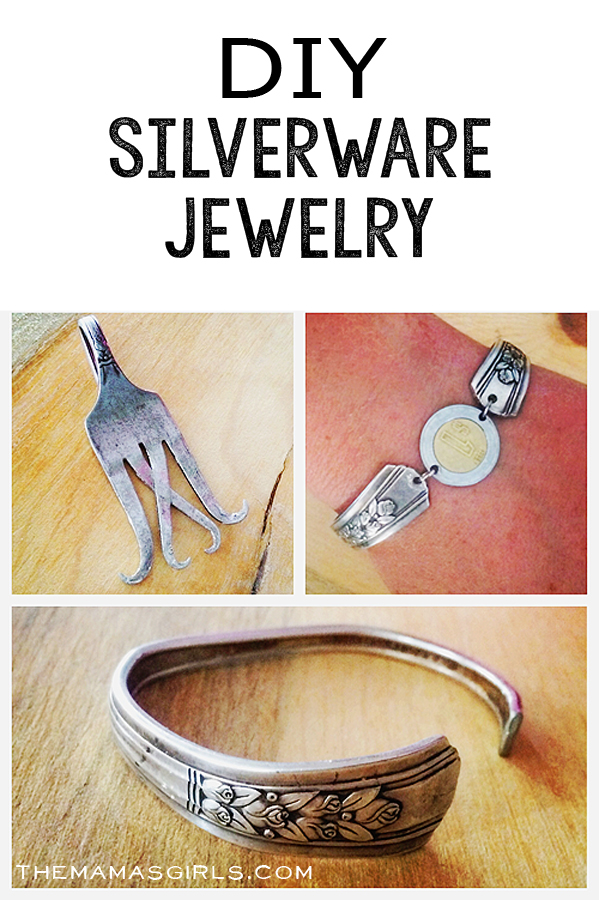
This skill can help create unique crafts and jewelry. Enjoy the process and learn as you go. Soon, drilling silverware will feel easy and fun.
