

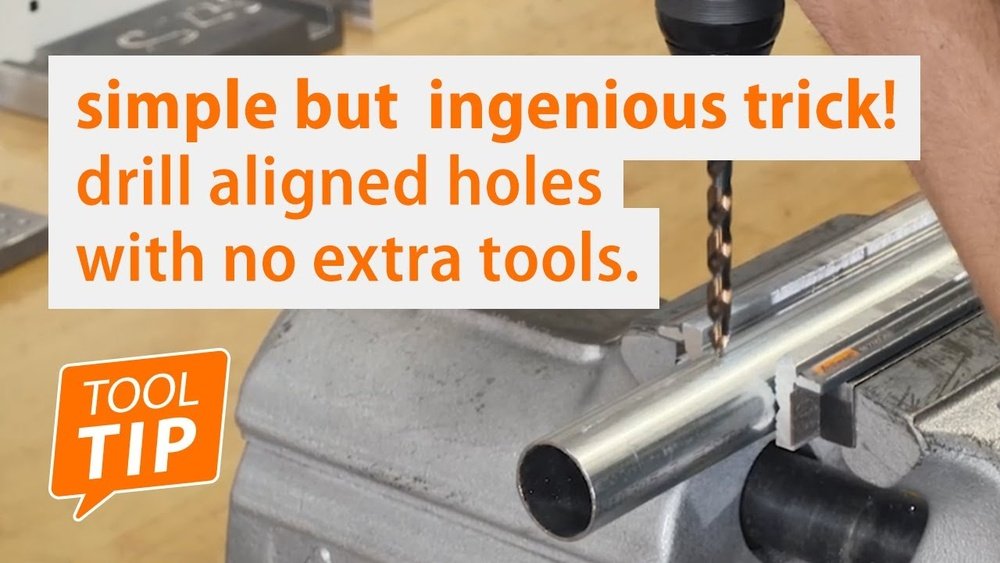
Drilling a hole in a steel pipe might seem tricky, but with the right steps, you can do it safely and accurately. Whether you’re working on a DIY project or fixing something important, knowing how to drill through steel can save you time and frustration.
In this guide, you’ll learn simple tips and tricks that make the process easier, protect your tools, and give you clean, precise results. Ready to master this skill? Keep reading, and you’ll be drilling like a pro in no time.

Credit: www.youtube.com
Choosing The Right Drill And Bit
Choosing the right drill and bit is key to drilling holes in steel pipe. The correct tools make the job easier and safer. Using the wrong drill or bit can cause damage to the pipe or your tools. This section explains how to pick the best drill and bit for steel pipes.
Types Of Drill Bits For Steel
High-Speed Steel (HSS) bits work well with steel pipes. They are strong and stay sharp longer. Cobalt bits are even better for hard steel. They resist heat and last a long time. Carbide-tipped bits are very hard and good for thick steel. Choose the bit type based on pipe thickness and hardness.
Selecting The Proper Drill
Use a drill with adjustable speed settings. Slower speeds are better for steel to avoid overheating. Corded drills often give more power and control. Cordless drills can work but may lack power for thick steel. Choose a drill that fits your hand and feels steady.
Importance Of Sharp Bits
Sharp bits cut through steel cleanly and quickly. Dull bits cause slipping and rough holes. They also increase the risk of injury. Always check the bit before drilling. Replace or sharpen bits to keep them effective. Sharp bits save time and protect your tools.

Credit: diy.stackexchange.com
Preparing The Steel Pipe
Preparing the steel pipe is the first step before drilling. Proper preparation helps you drill accurately and safely. It also prevents damage to the pipe and drill bit. Take your time to do these tasks right.
Marking The Drill Spot
Start by choosing the exact spot for the hole. Use a marker or pencil to make a clear dot. Double-check the position to avoid mistakes. Marking helps guide the drill and keeps the hole in the right place.
Securing The Pipe
Hold the pipe firmly before drilling. Use a clamp or a vise to keep it still. A moving pipe can cause uneven holes or injuries. Secure the pipe on a stable surface for better control.
Cleaning The Surface
Clean the pipe surface around the drill spot. Remove rust, dirt, or oil with a cloth or brush. A clean surface lets the drill bit grip properly. It also improves the quality of the hole.
Drilling Techniques
Drilling a hole in a steel pipe requires careful technique. Using the right method helps avoid damage and makes the job easier. Focus on drill speed, pressure, and lubrication. These factors affect how clean and precise the hole will be.
Setting The Drill Speed
Choose a low drill speed for steel pipes. High speed can overheat the drill bit. Overheating dulls the bit and may damage the pipe. Start slow and increase speed only if needed. Keep the drill steady and controlled.
Applying The Right Pressure
Press the drill gently against the pipe. Too much force can bend or crack the pipe. Too little pressure makes drilling slow and tough. Find a balanced, firm pressure. Let the drill bit do the work. Steady pressure ensures a clean hole.
Using Cutting Lubricants
Use cutting oil or lubricant on the drill bit. Lubricants reduce friction and heat. This helps the drill bit last longer. It also produces smoother holes. Apply lubricant often during drilling for best results.
Avoiding Common Mistakes
Drilling a hole in steel pipe can be tricky. Many people make simple mistakes that cause problems. Avoiding these errors helps you drill clean, accurate holes. It also keeps your tools in good shape and makes your work safer. Here are key points to remember for better results.
Preventing Bit Slippage
Bit slippage can ruin your hole and damage the pipe. Start by marking the spot clearly. Use a center punch to create a small dent. This dent keeps the drill bit from sliding off. Hold the drill steady and apply even pressure. Slow your speed when the bit first touches the pipe.
Reducing Heat Build-up
Drilling steel creates heat that can dull the bit. Use cutting oil or lubricant to cool the drill area. Pause drilling to let the bit cool down if it gets too hot. Use lower speeds on thicker or harder pipes. Avoid pushing too hard; let the drill do the work.
Maintaining Drill Bit Integrity
Sharp drill bits make clean holes and last longer. Check the bit before use for any damage or dullness. Replace or sharpen bits that are worn out. Store drill bits in a dry place to stop rust. Clean bits after use to remove metal shavings and oil.
Post-drilling Tips
After drilling a hole in a steel pipe, some important steps follow. These steps help keep the pipe safe and ready for use. Taking care after drilling improves the pipe’s life and performance. The next part explains key tips for after drilling.
Removing Burrs
Burrs are sharp edges left around the hole. They can cause injury or damage parts. Use a file or deburring tool to smooth the edges. Work carefully to avoid changing the hole size. Removing burrs makes the pipe safer and cleaner.
Inspecting The Hole
Check the hole for size and shape accuracy. Use a ruler or caliper to measure the diameter. Look for cracks or chips near the hole. Ensure the hole is straight and smooth inside. Proper inspection confirms the hole meets your needs.
Cleaning And Maintenance
Remove metal dust and oil from drilling. Wipe the pipe with a clean cloth or brush. Use a rust inhibitor to protect the steel surface. Store the pipe in a dry place to avoid rust. Regular maintenance keeps the pipe strong and durable.

Credit: www.familyhandyman.com
Frequently Asked Questions
How Do I Prepare Steel Pipe For Drilling?
Clean the pipe surface and mark the drilling spot clearly. Use a center punch to create a small indentation. This helps keep the drill bit steady and prevents slipping during drilling.
What Drill Bit Is Best For Steel Pipe?
Use a high-speed steel (HSS) or cobalt drill bit. These bits are durable and designed to cut through hard metals like steel efficiently.
How To Prevent Steel Pipe From Bending When Drilling?
Secure the pipe firmly using a clamp or vise. Avoid applying excessive pressure; let the drill bit do the work to maintain pipe shape.
What Drilling Speed Should I Use For Steel Pipe?
Use a slow to moderate speed, typically 300-500 RPM. Slower speeds prevent overheating and extend the drill bit’s life.
Conclusion
Drilling a hole in steel pipe is simple with the right tools. Always wear safety gear to protect yourself. Mark the spot clearly before starting to drill. Use a sharp drill bit and steady pressure. Take breaks to avoid overheating the drill bit.
Clean the hole edges after drilling for a smooth finish. Practice these steps to get better each time. Stay patient and careful throughout the process. You can handle this task with confidence now. Keep these tips in mind for future projects.
