

Drilling a hole in steel might seem tough at first, but with the right steps, you can do it safely and accurately. Whether you’re fixing something around the house or working on a big project, knowing how to drill steel properly saves you time and frustration.
In this guide, you’ll learn simple tips and tricks to get clean, precise holes every time. Ready to master this skill and tackle your next project with confidence? Keep reading, and you’ll find out exactly how to do it right.

Credit: handycrowd.com
Choosing The Right Drill Bit
Choosing the right drill bit is key to drilling a clean hole in steel. The right bit makes drilling easier and protects your tools. Steel is tough, so you need a drill bit designed for hard materials. The correct bit reduces slipping and overheating. This section explains how to pick the best drill bit for steel.
Types Of Drill Bits For Steel
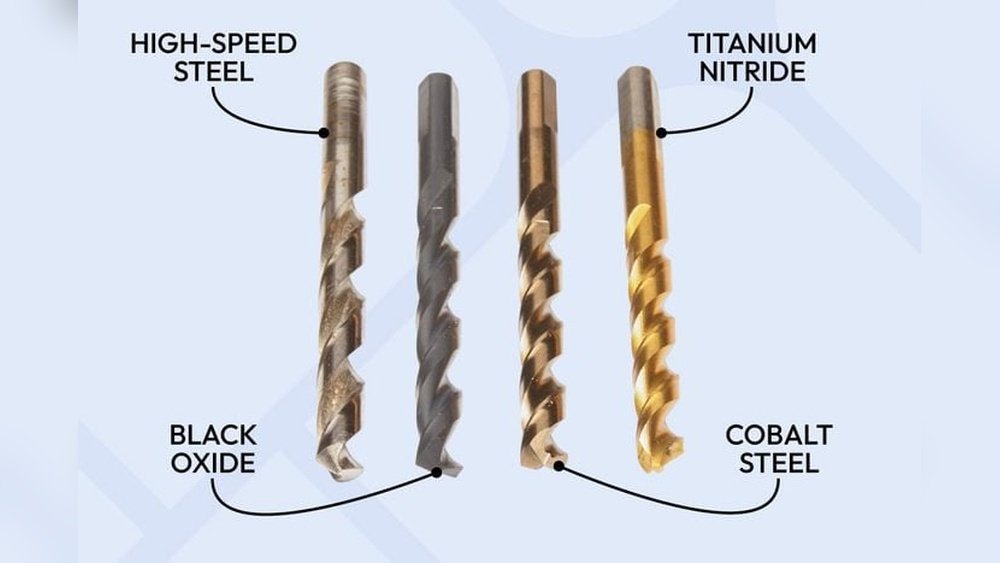
High-speed steel (HSS) bits are common for steel drilling. They stay sharp longer than regular bits. Cobalt bits are stronger and last longer in tough steel. Carbide-tipped bits are very hard and good for thick steel. Each type suits different drilling tasks and steel thickness.
Material And Coating Options
Drill bits come in various materials and coatings. Titanium-coated bits last longer and resist heat. Black oxide coating helps reduce friction and rust. Cobalt bits are made from a mix of steel and cobalt for extra strength. Choose the material and coating based on how hard and thick your steel is.
Selecting The Correct Size
Pick a drill bit size that matches your hole needs. Too small, and the hole won’t fit the bolt or screw. Too large, and the hole will be loose. Check the steel thickness and the hole diameter before choosing the bit size. Start with a smaller pilot hole for better control.

Credit: www.youtube.com
Preparing The Steel Surface
Preparing the steel surface is a key step before drilling a hole. It ensures the drill bit stays in place and cuts smoothly. Proper preparation reduces mistakes and helps create a clean hole.
Cleaning And Marking The Spot
Start by cleaning the steel surface. Remove dust, dirt, and oil using a cloth and a bit of rubbing alcohol. A clean surface helps the drill bit grip better.
Next, mark the exact spot where you want to drill. Use a permanent marker or a piece of chalk. Clear, visible marks make drilling easier and more precise.
Using Center Punch For Accuracy
Use a center punch to create a small dent on the marked spot. This dent guides the drill bit and stops it from slipping. Hold the punch firmly and tap it gently with a hammer.
The center punch improves accuracy. It keeps the drill bit steady, especially on smooth steel surfaces. This simple step saves time and effort during drilling.
Setting Up The Drill
Setting up the drill correctly makes drilling steel easier and safer. Proper setup helps prevent damage to the drill bit and the workpiece. It also improves accuracy and speeds up the process. Focus on three main areas: drill speed, securing the workpiece, and using cutting fluid.
Adjusting Drill Speed
Steel requires a slower drill speed than wood or plastic. Set your drill to a low or medium-low speed. A slower speed reduces heat and wear on the bit. Check your drill’s manual for speed settings for metal. Using the right speed extends the life of your drill bit.
Securing The Workpiece
Clamp the steel piece firmly before drilling. A loose workpiece can spin or move, causing injury or damage. Use a sturdy vise or clamps to hold the steel steady. Double-check the tightness before starting. Steady steel ensures a straight, clean hole.
Using Cutting Fluid
Apply cutting fluid to the drill bit and steel surface. Cutting fluid reduces heat and friction during drilling. It helps the drill bit cut smoothly through steel. Use a brush or dropper to apply fluid regularly. Proper lubrication improves the hole quality and extends bit life.
Credit: www.clickmetal.co.uk
Drilling Techniques For Steel
Drilling steel requires care and the right technique. Steel is tough and can wear down your tools fast. Using proper drilling methods helps create clean holes and keeps your drill bit sharp. Following simple steps ensures better results and safer work.
Applying Steady Pressure
Apply steady pressure while drilling. Press too hard, and the drill bit may break or overheat. Press too light, and the bit will slip or take longer. Keep a firm, even force for smooth drilling. Let the drill bit do the cutting work.
Avoiding Overheating
Steel heats up quickly during drilling. Overheating can dull the drill bit and damage the steel. Use cutting oil or lubricant to cool the drill bit. Pause drilling to let the bit cool down if needed. Keep the speed moderate to avoid excess heat.
Handling Different Steel Thicknesses
Thick steel needs a slower drill speed and more pressure. Thin steel requires less pressure to avoid bending or warping. Start with a small pilot hole for thick steel to guide the larger drill bit. Adjust your technique based on the steel’s thickness for clean holes.
Post-drilling Steps
After drilling a hole in steel, some important steps follow. These steps help ensure safety and accuracy. Proper post-drilling care keeps your work clean and professional.
Removing Burrs And Sharp Edges
Drilling leaves rough edges around the hole. These edges, called burrs, can cause cuts or damage. Use a deburring tool or file to smooth the edges. Work gently to avoid enlarging the hole. Removing burrs improves the hole’s fit and finish. It also prepares the steel for painting or welding.
Inspecting The Hole For Precision
Check the hole size with a caliper or gauge. Make sure the hole matches your required diameter. Look for any cracks or irregular shapes. A precise hole ensures proper assembly and function. Fix any mistakes by reaming or redrilling carefully. Accurate inspection saves time and materials later.
Common Mistakes To Avoid
Drilling into steel can be tricky. Many beginners make simple mistakes that cause damage or injury. Avoid these common errors to drill clean holes safely and effectively.
Using Dull Drill Bits
Dull drill bits cause problems. They make drilling harder and take longer. They can also overheat and damage the steel. Always use sharp, high-quality bits made for metal. Replace or sharpen bits when they lose their edge.
Incorrect Speed Settings
Speed matters when drilling steel. Too fast can burn the bit and metal. Too slow can cause rough holes and bit wear. Use a slow to medium speed for best results. Check the drill manual for recommended speeds.
Neglecting Safety Precautions
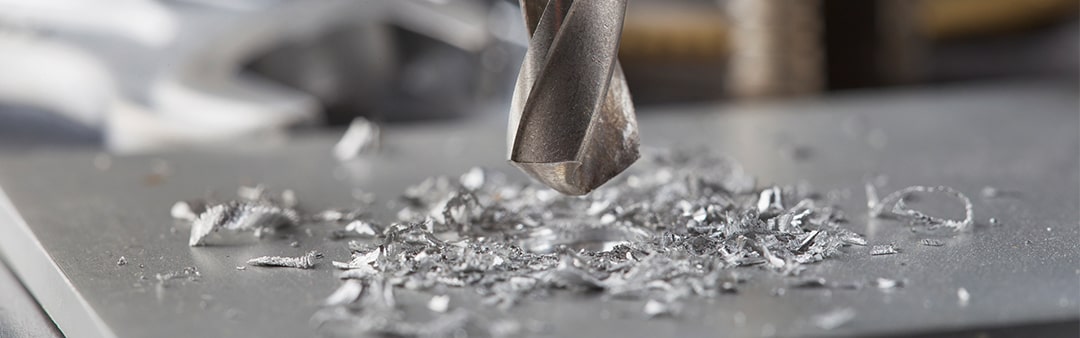
Steel drilling creates sharp metal chips. These can cause cuts or eye injuries. Always wear safety goggles and gloves. Secure the steel piece firmly before drilling. Keep your hands clear of the drill area.
Safety Tips For Drilling Steel
Drilling into steel requires careful attention to safety. Steel is hard and can cause serious injuries if not handled properly. Using the right safety measures protects you from accidents and damage. Follow these tips to stay safe and complete your project efficiently.
Protective Gear Essentials
Wear safety glasses to protect your eyes from flying metal shavings. Use gloves to keep your hands safe from sharp edges and hot surfaces. A dust mask prevents inhaling tiny metal particles. Wear long sleeves to protect your arms from sparks. Closed-toe shoes protect your feet from falling tools or steel pieces.
Safe Handling Of Tools
Use a drill with a firm grip to avoid slipping. Secure the steel piece firmly using a clamp or vise. Check the drill bit for damage before starting. Apply steady pressure without forcing the drill. Turn off the drill and unplug it before changing bits or making adjustments. Keep your work area clean and free of obstacles.
Frequently Asked Questions
What Tools Do I Need To Drill A Hole In Steel?
You need a drill, high-speed steel (HSS) or cobalt drill bit, cutting oil, clamps, and safety gear. These tools ensure clean, precise holes and protect your equipment.
How Do I Prevent Steel From Overheating While Drilling?
Use cutting oil to lubricate the drill bit and drill at low speed. This reduces heat and extends bit life.
What Drill Bit Type Is Best For Steel?
Cobalt or high-speed steel (HSS) bits are ideal. They stay sharp longer and withstand the hardness of steel.
How Can I Avoid Drill Bit Slipping On Steel?
Start with a center punch to mark the spot. This creates a guide and prevents the bit from wandering.
Conclusion
Drilling a hole in steel takes the right tools and care. Use sharp drill bits and steady pressure for best results. Keep the steel cool by adding oil during drilling. Take your time to avoid mistakes and damage. Practice safety by wearing goggles and gloves always.
With these simple steps, you can drill steel confidently. Remember, patience and preparation make the job easier. Try these tips on your next project and see the difference.
