


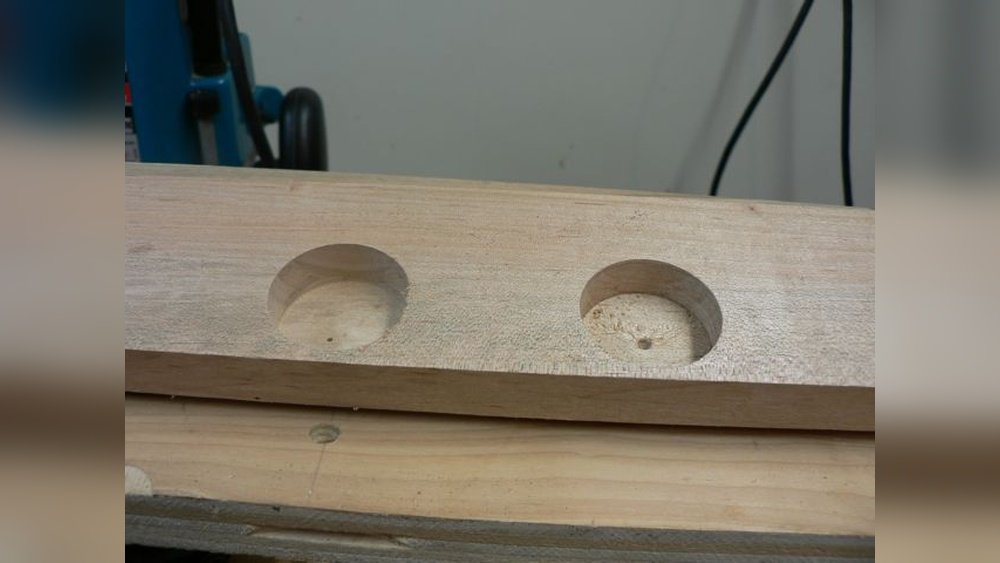
Have you ever needed to create a clean, professional-looking hole in wood that hides a screw head or bolt? Drilling a recessed hole is the secret to making your woodworking projects look polished and strong.
If you’re unsure how to do it right, you’re in the right place. In this guide, you’ll learn simple, step-by-step tips to drill a perfect recessed hole every time—even if you’re a beginner. Stick with me, and you’ll gain the confidence to tackle your next project with ease and precision.
Ready to make your woodwork stand out? Let’s dive in!

Credit: www.youtube.com
Tools Needed
Drilling a recessed hole in wood needs the right tools. The right tools make the job easier and the hole cleaner. Knowing which tools to use helps you work safely and get good results.
Types Of Drill Bits
Use a Forstner bit for flat-bottom holes. It cuts clean and precise edges. A spade bit works well for rough, fast cuts in wood. Brad point bits are good for starting holes without slipping. Choose the bit size that fits the hole depth and width you need. Sharp drill bits make cleaner holes and reduce wood tear-out.
Additional Equipment
A power drill or drill press is needed to turn the bit. A drill press provides more control and accuracy. Clamps help hold the wood steady while drilling. Safety glasses protect your eyes from wood chips. A ruler or measuring tape ensures correct hole placement. Pencil marks help guide your drilling.

Credit: woodworking.stackexchange.com
Choosing The Right Drill Bit
Choosing the right drill bit is key to drilling a clean recessed hole in wood. The drill bit must match the wood type and the size of the hole you want. Picking the wrong bit can cause splintering or a poor fit. This guide helps you select the perfect bit for your woodworking project.
Material Compatibility
Wood comes in many types, from soft pine to hard oak. Some drill bits work better on soft wood, while others suit hard wood. High-speed steel (HSS) bits handle soft and medium woods well. For hardwoods, consider carbide-tipped bits. These bits last longer and cut cleaner. Using the right bit material prevents damage to the wood and tool.
Size Selection
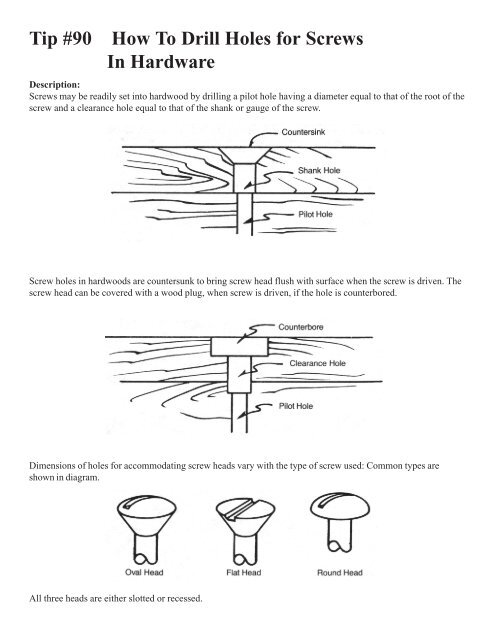
Measure the size of the hole carefully. The drill bit diameter should match the screw or fastener size. For a recessed hole, pick a bit slightly larger than the screw head. This allows the screw to sit flush or below the wood surface. Test the bit on scrap wood first. This step ensures the hole size is perfect before drilling your project piece.
Preparing The Wood
Preparing the wood is a key step before drilling a recessed hole. It helps to make the drilling accurate and safe. Proper preparation prevents mistakes and protects your workpiece.
Marking The Hole Location
Start by choosing the exact spot for the hole. Use a pencil to mark this spot clearly. Check twice to avoid errors. A sharp pencil or marking knife works best. Marking ensures the hole is drilled in the right place.
Clamping The Wood Securely
Secure the wood firmly using clamps. This stops the wood from moving during drilling. Movement can cause uneven holes or accidents. Use strong clamps and place them near the drilling area. Clamping keeps your work steady and safe.
Credit: www.yumpu.com
Setting Up The Drill
Setting up the drill correctly is key to making a clean recessed hole in wood. Taking time to prepare the drill helps avoid mistakes and damage. Proper setup ensures the hole is the right size and depth.
Start by checking the drill bit. Use a bit designed for wood and fits your desired hole size. Secure the bit tightly in the chuck to prevent slipping during drilling.
Adjusting Drill Speed
Set the drill speed according to the wood type. Softwood needs higher speeds for smooth cutting. Hardwoods require slower speeds to avoid burning or bit damage.
Use the drill’s speed settings to match the material. Start at a lower speed and increase if the drill moves easily. Maintain control to avoid slipping or uneven holes.
Depth Control Techniques
Controlling depth is vital for a proper recessed hole. Use a depth stop collar on the drill bit to limit how deep it goes. This tool prevents drilling too far into the wood.
Mark the desired depth on the drill bit with tape if no collar is available. Drill slowly and check progress often. This keeps the hole clean and accurate.
Drilling The Recessed Hole
Drilling a recessed hole in wood requires precision and care. This step shapes the space where screws or bolts will sit flush. The process starts with careful positioning and continues until the hole reaches the right depth. The goal is a clean, smooth recess without damaging the wood surface.
Starting The Hole
Place the drill bit exactly where the hole should begin. Use a pencil mark or center punch for accuracy. Hold the drill steady and start at a slow speed. This prevents the bit from slipping off the mark. Begin drilling gently to create a small guide hole.
Maintaining Drill Stability
Keep the drill perpendicular to the wood surface. A wobbling drill can cause uneven or angled holes. Use both hands to steady the drill for better control. Apply even pressure, not too hard or soft. This ensures the hole stays clean and smooth.
Checking Depth Progress
Monitor the hole depth frequently to avoid drilling too deep. Use a depth stop or mark the drill bit with tape. Stop drilling once the desired depth is reached. Double-check with a ruler or depth gauge. This step guarantees the recess fits the screw head perfectly.
Finishing Touches
After drilling a recessed hole in wood, the job is not quite done. Finishing touches make the hole look clean and professional. These steps improve both the hole’s appearance and function. Proper finishing also helps the wood last longer without damage. Follow these simple tips to complete your project well.
Cleaning The Hole
Remove all wood dust and chips from inside the hole. Use a small brush or compressed air to clear debris. A clean hole ensures better fitting for screws or plugs. Avoid using water, as it can swell the wood. Take your time to check if the hole is free from loose wood bits.
Smoothing The Edges
Rough edges can cause splinters and weaken the wood. Use fine sandpaper to gently smooth the hole’s edges. Sand in small circles or along the grain for best results. Check the edges with your fingers to feel for rough spots. Smooth edges provide a neat finish and help parts fit tightly.
Common Mistakes To Avoid
Drilling a recessed hole in wood requires focus and care. Many beginners make avoidable mistakes that affect the final result. Knowing common errors helps you drill cleaner, precise holes. Avoid these pitfalls to improve your woodworking project.
Overdrilling
Overdrilling happens when the hole is too deep. It weakens the wood and spoils the recess shape. Stop drilling as soon as the recess reaches the right depth. Use a drill stop or tape on the bit to control depth. This keeps the hole neat and functional.
Misaligned Holes
Misaligned holes look unprofessional and can cause assembly problems. Mark the exact spot before drilling. Use a center punch to make a small dent. This guides the drill bit and prevents slipping. Double-check measurements to keep holes straight and aligned.
Frequently Asked Questions
What Tools Do I Need To Drill A Recessed Hole In Wood?
You need a drill, countersink bit, measuring tape, pencil, and safety gear. These tools ensure precise and safe drilling of recessed holes in wood.
How Deep Should A Recessed Hole Be Drilled In Wood?
The depth depends on the screw head size. Typically, drill about 1/8 to 1/4 inch deep for flush fitting.
Can I Use Any Drill Bit For Recessed Holes?
No, use a countersink or a stepped drill bit. These bits create the correct shape for recessed holes.
How Do I Prevent Wood From Splitting While Drilling?
Use a sharp drill bit and drill slowly. Pre-drill a pilot hole to reduce splitting risk.
Conclusion
Drilling a recessed hole in wood is a useful skill to have. Use the right drill bit and measure carefully. Take your time and drill slowly for best results. Check the depth often to avoid going too far. Practice on scrap wood before working on your project.
These steps help you create clean, precise holes every time. With patience, your woodworking will look neat and professional. Keep these tips in mind for your next project. Simple, careful work leads to great results.
