

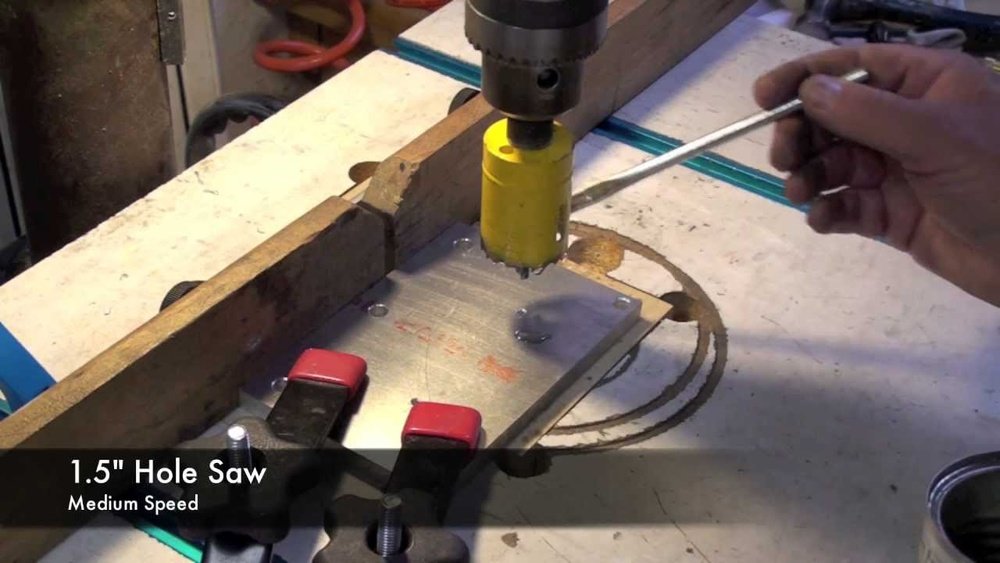
Drilling holes in aluminium might seem simple, but if you don’t do it right, you could end up with rough edges, damaged material, or wasted time. You want clean, precise holes that make your project look professional and last longer.
This guide will show you exactly how to drill aluminium holes the easy way—step by step. By the time you finish reading, you’ll have the confidence and know-how to get perfect results every time. Ready to master this essential skill?
Let’s dive in.

Credit: www.reddit.com
Choosing The Right Drill Bit
Choosing the right drill bit is key to drilling clean holes in aluminium. The wrong bit can cause rough edges or damage the material. Using the proper drill bit saves time and effort. It also helps keep the aluminium smooth and neat.
Best Materials For Aluminium
Cobalt and titanium-coated drill bits work well for aluminium. They resist heat and stay sharp longer. High-speed steel (HSS) bits are also a good choice. They cut smoothly without tearing the metal. Avoid using bits made only for wood or plastic. They dull quickly and may cause problems.
Size And Shape Considerations
Pick a drill bit size that matches your hole needs. Too small or too large can cause issues. Twist drill bits with a point angle of 118 degrees are best. They create clean holes without much burr. For larger holes, step drill bits work nicely. They allow gradual drilling and prevent tearing.
Preparing The Aluminium Surface
Preparing the aluminium surface is a crucial step before drilling holes. Proper preparation ensures clean, accurate holes and protects the material from damage. It also helps the drill bit to work efficiently and last longer.
Start by making sure the surface is clean and ready. Dirt, oil, or dust can cause the drill bit to slip or the hole to be uneven. Next, marking the drilling spot clearly prevents mistakes and saves time. Finally, securing the aluminium piece firmly keeps it stable during drilling. This prevents movement that can ruin your work or cause accidents.
Cleaning And Marking
Clean the aluminium surface using a soft cloth and mild detergent. Remove all dirt, grease, and oil thoroughly. Dry the surface completely to avoid slipping.
Use a fine-tip marker or a scribe to mark the drilling points. Make clear, small marks to guide your drill bit. Double-check measurements before proceeding.
Securing The Workpiece
Place the aluminium piece on a stable workbench or drilling surface. Use clamps to hold it firmly in place. Tighten the clamps enough to stop any movement, but avoid bending the metal.
Ensure the workpiece is well supported to prevent vibrations. Steady support leads to cleaner holes and safer drilling.
Drilling Techniques For Aluminium
Drilling aluminium requires special care. Using the right techniques helps avoid damage and makes clean holes. This section covers key drilling techniques to get the best results. Follow these tips to drill aluminium safely and effectively.
Optimal Drill Speed
Drill aluminium at a medium to high speed. Too slow causes rough edges. Too fast can overheat and melt the metal. A speed between 2000 to 3000 RPM works well for most aluminium thicknesses. Adjust speed based on drill bit size.
Applying Proper Pressure
Use steady, moderate pressure while drilling. Pressing too hard can bend or break the drill bit. Pressing too soft wastes time and may cause the bit to slip. Let the drill bit do the work. Keep your hands steady for a straight hole.
Using Lubricants And Coolants
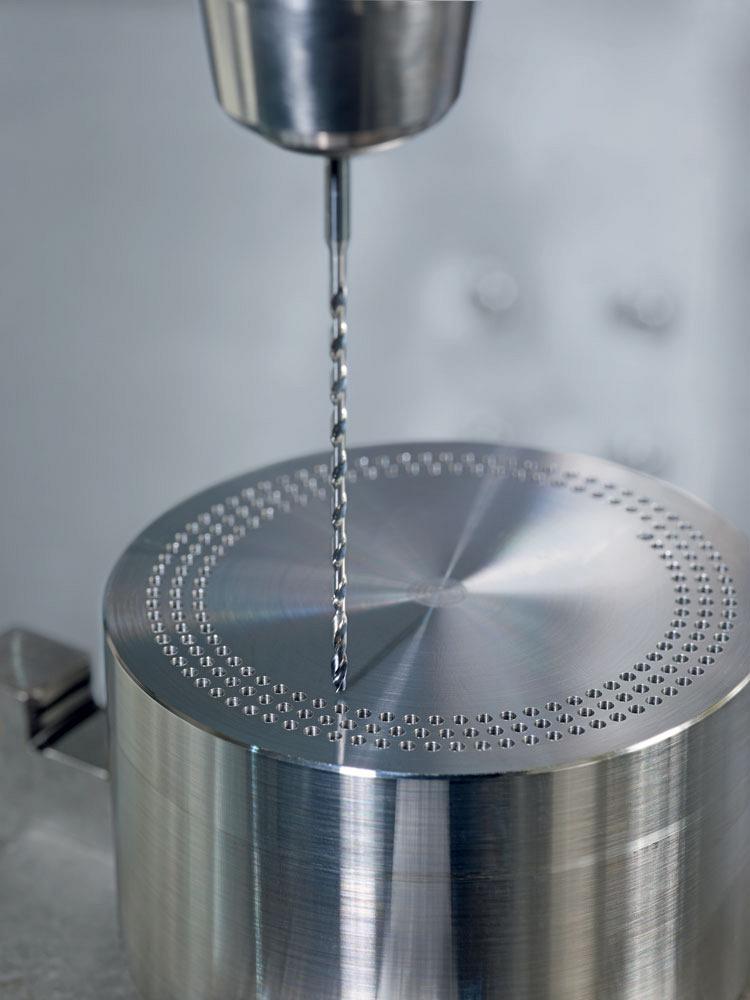
Lubricants reduce friction and heat when drilling aluminium. Use cutting oil, WD-40, or even soapy water as a coolant. Apply lubricant regularly during drilling. It helps the drill bit last longer and creates cleaner holes.
Avoiding Common Mistakes
Drilling holes in aluminium can seem easy, but common mistakes often cause problems. These errors can damage the metal or make the hole look rough. Avoiding these issues helps you get clean and smooth holes every time. Focus on two main challenges: preventing burrs and deformation, and handling drill bit slippage.
Preventing Burrs And Deformation
Burrs are small rough edges around the hole. They make the hole look messy and can cause injury. Use a sharp drill bit to cut cleanly through aluminium. Drill at a slow speed to reduce heat build-up and avoid bending the metal. Support the aluminium piece firmly to stop it from moving or bending. A backing board can help protect the surface and reduce deformation. After drilling, use a deburring tool or sandpaper to smooth the edges gently.
Handling Drill Bit Slippage
Drill bit slippage happens when the bit slips on the aluminium surface before starting the hole. This can scratch the metal and cause an off-center hole. Start by marking the hole spot clearly with a center punch. This small dent guides the drill bit and stops slipping. Hold the drill steady and apply gentle pressure at the start. Use a drill bit designed for metal, such as a cobalt or titanium-coated bit. These grip better and last longer on aluminium.
Finishing Touches After Drilling
Finishing touches after drilling aluminum holes are important. They improve the look and safety of the work. These steps help remove rough edges and check the quality of holes. Take your time to make sure everything is smooth and clean.
Deburring And Smoothing Edges
Drilled holes often have sharp edges called burrs. Burrs can cause cuts or stop parts from fitting well. Use a deburring tool or sandpaper to remove these rough edges. Move the tool gently around the hole’s edge. This step makes the hole safer and cleaner. Smooth edges also help paint or coatings stick better.
Cleaning And Inspecting Holes
After deburring, clean the holes carefully. Use a brush or cloth to remove metal dust and debris. Dirt inside holes can cause problems later. Check each hole for size and shape. Make sure the hole matches your project needs. Fix any mistakes before moving to the next step. Clean and well-checked holes last longer and work better.

Credit: www.youtube.com
Safety Tips For Drilling Aluminium
Drilling holes in aluminium requires care to avoid accidents and injuries. Following safety tips keeps the work safe and smooth. Use the right gear and handle tools carefully. Protect yourself from sharp edges, flying chips, and heat. Stay focused and work step by step.
Protective Gear Recommendations
Wear safety goggles to protect your eyes from flying metal chips. Gloves help protect your hands from sharp edges and heat. Use ear protection to reduce noise from the drill. Wear a dust mask if aluminium dust is present. Choose sturdy clothing that covers your arms and legs.
Safe Handling Practices
Secure the aluminium piece firmly before drilling. Use clamps or a vise to hold it steady. Keep your hands away from the drill bit during use. Start drilling at a slow speed to avoid slipping. Clear metal shavings often to prevent buildup. Turn off the drill before adjusting or removing the material. Work in a clean, well-lit area to see clearly.
Credit: www.canadianmetalworking.com
Frequently Asked Questions
What Drill Bit Is Best For Aluminium Holes?
Use a high-speed steel (HSS) drill bit for aluminium. It cuts smoothly and resists heat well. Cobalt bits also work for harder aluminium alloys.
How To Prevent Aluminium From Overheating When Drilling?
Apply cutting oil or lubricant on the drill bit. Drill at a slow speed to reduce heat buildup. Take breaks to cool the metal if needed.
What Drill Speed Is Ideal For Aluminium Holes?
Use a medium to high speed, around 2000 to 3000 RPM. Avoid too fast speeds to prevent melting and bit damage.
Should I Use A Pilot Hole For Aluminium Drilling?
Yes, a pilot hole ensures accuracy and reduces bit wandering. Start with a small bit before enlarging the hole.
Conclusion
Drilling holes in aluminum is simple with the right steps. Use a sharp drill bit made for metal. Keep the drill speed moderate to avoid overheating. Apply steady pressure, but don’t force the drill. Use cutting oil to help the bit last longer.
Always wear safety glasses to protect your eyes. Practice on scrap pieces before working on your project. These tips help you get clean, precise holes every time. Start drilling confidently and enjoy your aluminum work.
