


If you want to mount a scope on your rifle but don’t have the right holes, drilling and tapping your rifle is the solution. It might sound tricky, but with the right steps, you can do it yourself and save money.
Imagine having a perfectly aligned scope that improves your aim and confidence every time you shoot. This guide will walk you through the process in simple terms, so you can take control of your setup and get your rifle ready for precision shooting.
Keep reading to learn exactly how to drill and tap your rifle for scope mounts safely and effectively.

Credit: www.letsgoshooting.org
Preparing Your Rifle
Preparing your rifle is the first step before drilling and tapping for scope mounts. This stage ensures accuracy and safety. Proper preparation helps avoid mistakes that can damage your rifle or affect its performance.
Selecting The Right Rifle
Choose a rifle that suits your needs and skill level. Some rifles have metal parts easier to drill and tap. Check if your rifle’s receiver can handle mounting a scope. Avoid rifles with thin or weak receivers.
Gathering Necessary Tools
Collect all tools before starting the job. You need a drill, drill bits, a tap set, and a center punch. A vise to hold the rifle steady is important. Use a measuring tool to mark drill points carefully. Have cleaning supplies ready for after drilling.
Ensuring Safety Measures
Safety comes first in every step. Make sure the rifle is unloaded. Remove all ammunition from the work area. Wear safety glasses to protect your eyes from metal shavings. Work in a well-lit, clean space to avoid accidents. Double-check your setup before drilling.
Choosing Scope Mounts
Choosing the right scope mount is key for a steady and accurate shot. The mount holds your scope firmly on the rifle. Picking a poor mount can lead to misalignment and poor shooting results. Consider the type, material, and compatibility of the mount before drilling and tapping your rifle.
Types Of Scope Mounts
There are several types of scope mounts. Rings are the most common and hold the scope tube tightly. One-piece mounts combine rings and a base for extra strength. Quick detach mounts let you remove the scope fast without tools. Each type suits different shooting styles and rifles.
Material Considerations
Scope mounts come in steel, aluminum, and sometimes titanium. Steel is very strong but heavier. Aluminum is light and resists rust but can wear faster. Titanium offers strength and lightness but costs more. Pick a material that matches your rifle’s use and weight needs.
Mount Compatibility
Not all mounts fit every rifle or scope. Check the base type on your rifle, such as Picatinny or Weaver. Also, match the mount size to your scope’s tube diameter. Proper fit ensures stable mounting and accurate shooting. Double-check these details before buying or drilling your rifle.
Marking Drill Points
Marking drill points is a crucial step in installing a scope mount on your rifle. Accurate marks ensure the holes are drilled in the right spots. This prevents mistakes that can affect your rifle’s performance and safety.
Take your time and be precise. Use the right tools and follow a clear process. This helps create a strong and reliable mount for your scope.
Measuring Mount Placement
Start by measuring where the mount will sit on the rifle. Use a ruler or caliper for exact measurements. Check the rifle’s specifications for the correct placement.
Mark the centerline on the rifle’s receiver. This line helps align the mount perfectly. Measure from both ends to balance the placement.
Using Templates And Jigs
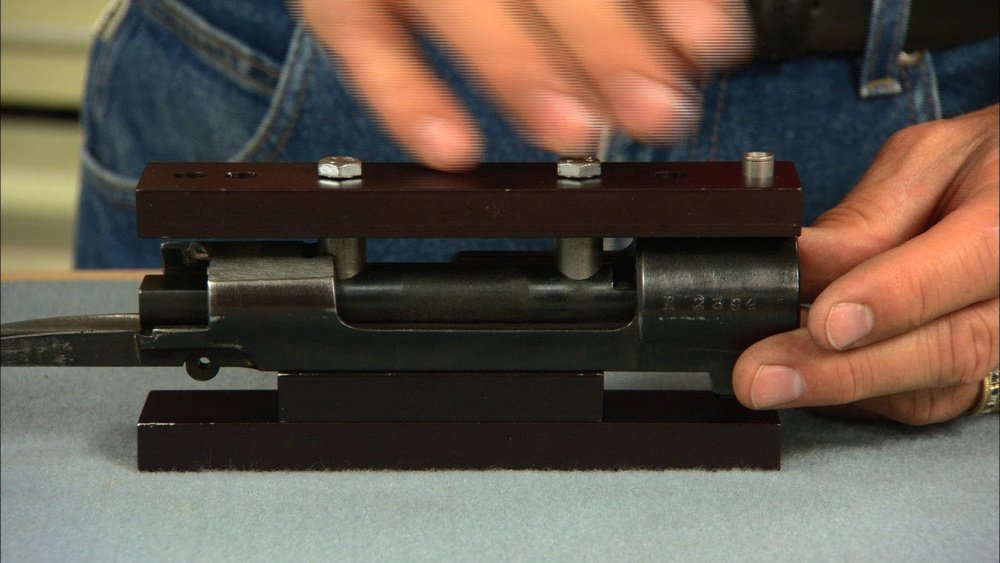
Use a drilling template or jig designed for your rifle model. It guides the drill bit and keeps holes straight. Attach the template firmly so it does not move.
Templates help prevent errors and make the job easier. They also save time by showing exact drill points. Follow the template marks carefully for accuracy.
Double-checking Alignments
Double-check all marks before drilling. Confirm the marks match the mount’s holes. Use a level or straight edge to check horizontal alignment.
Look from different angles to see if the marks line up. Correct any misalignments now to avoid problems later. Precise marking means a safer and better scope mount.

Credit: www.badacetactical.com
Drilling The Rifle
Drilling the rifle is a key step to mount your scope securely. It requires care and precision. A wrong move can damage your rifle or cause poor scope alignment. Taking your time and using the right tools ensures a clean, accurate drill. This section explains how to drill safely and effectively.
Selecting Drill Bits
Choose drill bits made for metal, like high-speed steel. Pick the right size to match the screws for your scope mount. Using too big or small bits will cause loose mounts or stripped holes. Start with a small pilot bit to guide the drill. Then use the final size bit to finish the hole.
Drilling Techniques
Secure the rifle firmly in a vice or cradle to stop movement. Mark the drilling spots clearly with a center punch. Drill slowly and steadily to avoid overheating the metal. Use cutting oil to keep the drill bit cool and sharp. Clear metal shavings often to keep the hole clean and smooth.
Avoiding Common Mistakes
Do not rush the drilling process; it causes mistakes. Avoid drilling at an angle; holes must be straight. Do not force the drill; it can break the bit or damage the rifle. Always double-check measurements before drilling. Wear safety glasses to protect your eyes from metal debris.
Tapping Threads
Tapping threads is a key step in mounting a scope on a rifle. This process creates the internal threads in the holes drilled for screws. Correct tapping ensures a strong and secure fit for your scope mounts. It also prevents damage to the rifle and mount.
Using the right tools and techniques is important. Precision and care during tapping lead to a clean, accurate thread. This helps keep your scope stable during shooting.
Choosing Tap Sizes
Select the tap size based on your scope mount screws. Common sizes include 6-48 and 8-40. Check your mount’s instructions or measure the screws. Using the wrong size causes weak threads or stripped holes. Always choose a tap that matches the screw diameter and thread pitch exactly.
Proper Tapping Procedures
Secure the rifle firmly before tapping. Use a tap wrench to hold the tap straight. Insert the tap gently into the drilled hole. Turn the tap slowly clockwise, cutting the thread.
Stop after each full turn to back the tap off slightly. This clears metal chips and prevents binding. Keep the tap aligned to avoid crooked threads. Do not force the tap if it feels stuck. Remove and clean the tap, then resume carefully.
Lubrication And Care
Apply a small amount of cutting oil to the tap. Lubrication reduces friction and heat during tapping. It helps the tap cut smoothly and last longer. Reapply oil often, especially after clearing metal shavings.
Clean the tapped hole and tap regularly. Remove all metal debris before finishing. Proper care protects your tools and ensures precise threads for mounting.

Credit: www.youtube.com
Installing Scope Mounts
Installing scope mounts on your rifle is a key step for a clear, accurate shot. Proper installation ensures the scope stays steady and aligned. This process needs care and precision to avoid damage and maintain accuracy.
Aligning Mounts Correctly
Start by placing the mounts on the rifle’s receiver. Check that they sit flat and even. The mounts must line up with the rifle’s bore axis. Use a level or alignment tool for accuracy. Misalignment can cause poor shooting results.
Securing Screws
Use the correct size screws for your mounts. Tighten screws evenly and gradually. Avoid over-tightening to prevent stripping threads or damaging mounts. Apply a small amount of thread locker for extra hold. Secure screws keep the scope stable during recoil.
Checking Stability
After securing, test the mount’s firmness. Try to wiggle the mounts gently. No movement should be felt. If loose, re-tighten screws carefully. A stable mount maintains zero and improves shooting confidence.
Testing And Adjustments
After drilling and tapping your rifle for scope mounts, testing and adjustments are essential. These steps ensure your scope sits perfectly and works correctly. Taking time here saves frustration and improves shooting accuracy.
Verifying Scope Alignment
Check if the scope is straight and level on the rifle. Use a bubble level or scope leveling tool for best results. Look through the scope to see if the reticle is centered and clear. Make sure the crosshairs do not tilt or shift.
Adjusting Mount Position
Loosen the screws slightly to move the mount if needed. Slide the mount forward or backward to find the ideal eye relief. Tighten the screws in small steps, alternating sides to keep even pressure. Avoid overtightening to prevent damage to the rifle or mount.
Final Safety Checks
Confirm all screws are secure but not overly tight. Inspect the tapped holes for any metal shavings or debris. Ensure the scope mount is stable and won’t shift under recoil. Test the rifle carefully before live firing to guarantee safety and accuracy.
Maintenance Tips
Maintaining your rifle’s drilled and tapped scope mounts is key for safety and accuracy. Regular care helps keep everything tight and aligned. Small checks prevent big problems later. Follow these simple tips to keep your scope mounts in top shape.
Cleaning Threads
Clean the threads on your rifle and screws often. Use a soft brush to remove dirt and debris. Avoid harsh chemicals that can damage metal. A clean thread ensures smooth tightening and prevents rust. Apply a small amount of light oil for protection.
Inspecting For Wear
Look closely at the threads for signs of wear or damage. Stripped or worn threads can cause loose mounts. Check screws for bends or cracks. Replace any parts that look weak. Regular inspection keeps your scope stable and secure.
Re-tightening Screws
Check screw tightness before every use. Screws can loosen after shooting or transport. Use the correct torque setting for your rifle. Do not overtighten, as it can strip threads. Proper tightening keeps your scope steady and accurate.
Frequently Asked Questions
How Do I Drill A Rifle For Scope Mounts?
First, mark the exact spot on the rifle. Use a drill bit sized for your screws. Drill slowly to avoid damage. Ensure the hole is straight and clean.
What Size Tap Do I Need For Scope Mounts?
Use a tap that matches the screw size of your mounts. Common sizes are 6-48 or 8-40. Check your scope mount specifications before tapping.
Can I Drill And Tap A Rifle Without Special Tools?
Basic tools like a drill, tap set, and center punch are needed. Specialized rifle jigs help but aren’t mandatory. Precision and care are crucial for safety.
How Deep Should I Drill Holes For Scope Mounts?
Drill holes just deep enough to accommodate the screws. Usually, 3 to 5 millimeters deep is sufficient. Avoid drilling too deep to prevent damage.
Conclusion
Drilling and tapping a rifle for scope mounts takes care and patience. Follow each step carefully to avoid mistakes. Use the right tools to get a secure fit. Take your time and double-check measurements before drilling. This process helps improve your shooting accuracy and comfort.
Practice on old parts if you are unsure. With steady hands and focus, you can do it yourself. Enjoy a better shooting experience with a properly mounted scope.
