


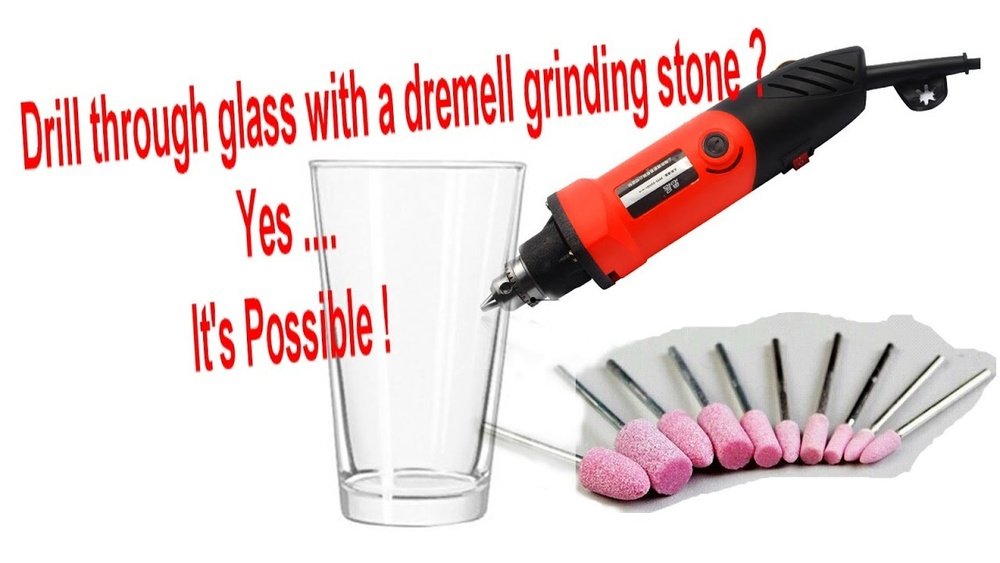
Are you ready to turn your glass projects into something truly impressive? Drilling glass might sound tricky, but with the right tools and steps, you can do it safely and smoothly using your Dremel.
Imagine adding custom holes to your glass pieces without cracks or chips—sounds great, right? In this guide, you’ll discover simple, clear instructions that make the process easy to follow. Keep reading, and you’ll gain the confidence to drill glass like a pro, unlocking new creative possibilities for your work.
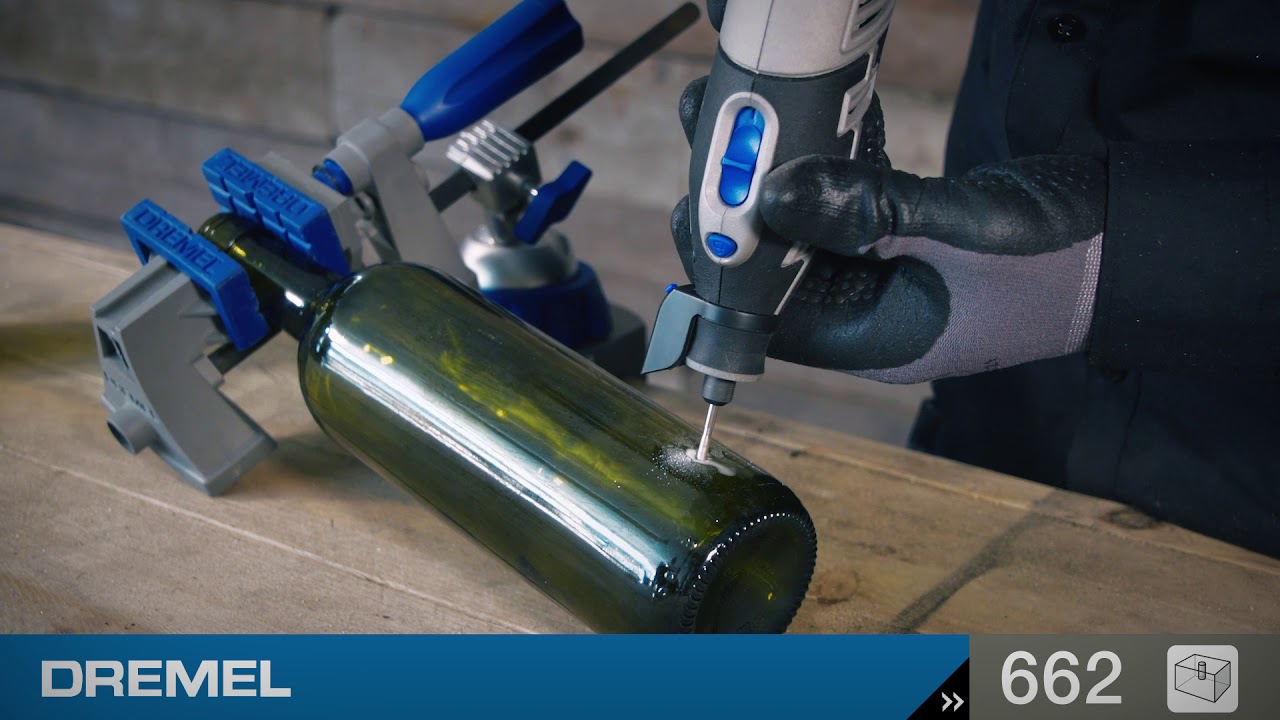
Credit: www.dremel.com
Choosing The Right Drill Bits
Choosing the right drill bits is key for drilling glass with a Dremel. The right bit ensures clean holes without cracks or breaks. Glass is delicate, so picking a bit designed for it helps prevent damage. The type and size of the bit affect the drilling quality and ease. Understanding the differences between diamond and carbide bits guides you to the best choice. Size matters too, for the hole you want to make.
Diamond Vs Carbide Bits
Diamond bits are the best for glass. They have tiny diamond particles that cut through glass smoothly. Diamond bits last longer and give cleaner holes. Carbide bits are harder but less suitable. They work well on metal and wood but can chip glass. Using carbide on glass risks cracks and rough edges. Choose diamond bits for smooth, precise drilling on glass.
Bit Size Selection
Pick the right bit size for your hole. Small bits make tiny holes for light projects. Larger bits create bigger holes but need more care. Start with a small bit to make a pilot hole. This prevents glass from cracking. Then, move to a bigger bit if needed. Always match the bit size to the screw or anchor you plan to use. Correct size helps the project hold well and look neat.
Preparing The Glass Surface
Preparing the glass surface is the first step before drilling with a Dremel tool. It ensures the drill goes smoothly and safely. Proper preparation reduces the risk of cracks or damage. Follow these simple steps to get the glass ready.
Cleaning The Glass
Start by cleaning the glass thoroughly. Use a soft cloth and glass cleaner. Remove dirt, dust, and oils from your hands. Clean surfaces help the drill bit stay steady. Avoid any residue that might cause slipping.
Marking Drill Points
Mark the exact spot where you want to drill. Use a non-permanent marker or a piece of tape. This helps guide the drill bit precisely. Clear marks prevent mistakes and keep drilling accurate.
Securing The Glass
Place the glass on a flat, stable surface. Use clamps or a heavy object to hold it in place. Keep the glass from moving during drilling. Secure glass lowers the chance of cracks or breaks.
Setting Up The Dremel
Setting up your Dremel correctly is key to drilling glass safely and effectively. This step prepares your tool for the delicate task ahead. Proper setup helps avoid damage to both the glass and the drill bit.
Take time to check your Dremel and accessories before starting. A well-prepared tool makes the drilling process smoother and reduces mistakes. Follow these simple steps to get ready.
Selecting Speed Settings
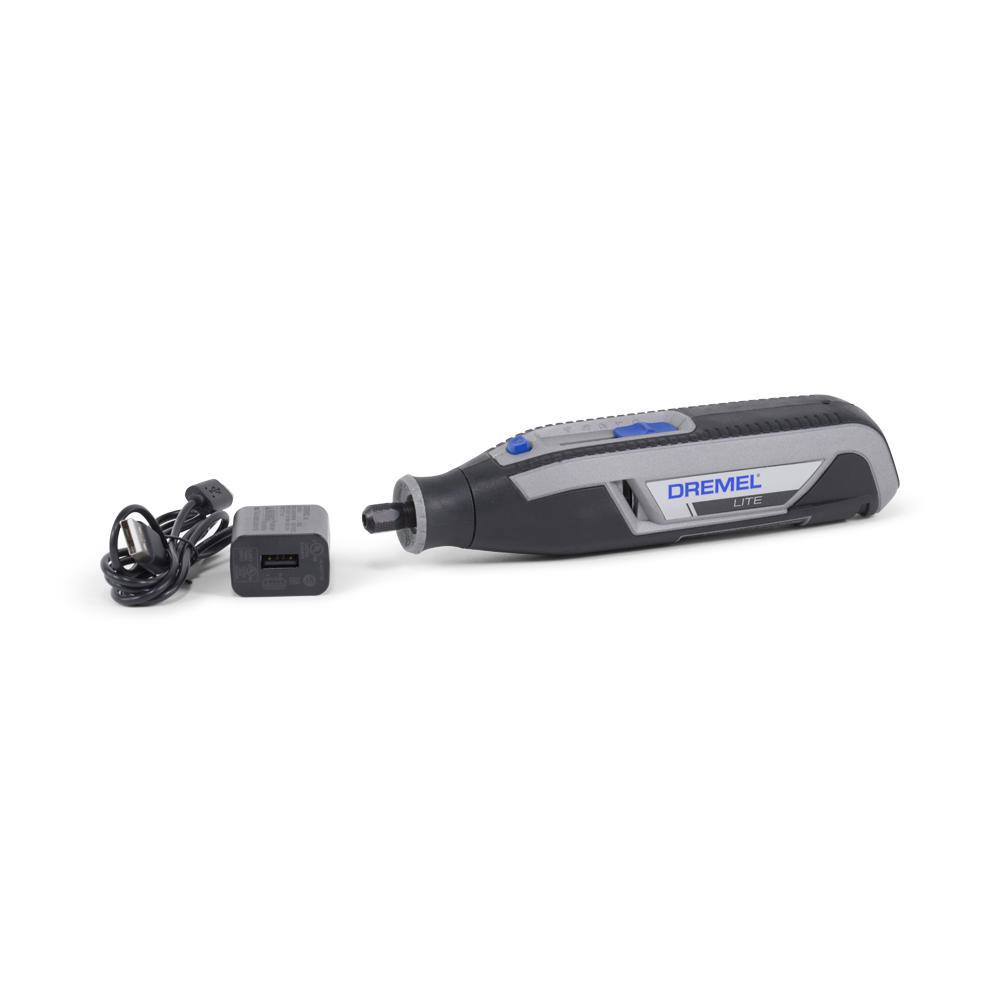
Choose a low speed on your Dremel for glass drilling. High speeds create heat and can crack the glass. Set the speed between 5,000 and 10,000 RPM. This range is gentle enough to protect the glass.
Start slow and adjust as needed. Slower speeds give you more control. Avoid pushing too hard; let the bit do the work.
Attaching The Drill Bit
Use a diamond or carbide drill bit made for glass. These bits cut smoothly and reduce chipping. Attach the bit firmly into the Dremel’s chuck. Tighten it to prevent slipping during drilling.
Check the bit before use. Make sure it is clean and free of damage. A sharp bit ensures a clean hole and less pressure on the glass.
Credit: www.gtglass.com
Drilling Techniques
Drilling glass with a Dremel requires careful techniques to avoid cracks and damage. The glass is fragile, so you must be patient and precise. Following the right steps helps create a clean hole without breaking the material.
Starting With A Pilot Hole
Begin by marking the spot where you want to drill. Use a small drill bit to make a pilot hole first. This hole guides the larger drill bit and reduces stress on the glass. Work slowly and keep the drill steady. The pilot hole prevents the drill bit from slipping.
Applying Steady Pressure
Hold the Dremel firmly and apply gentle pressure. Pressing too hard can crack the glass. Move the drill bit slowly and evenly. Keep the speed moderate to avoid overheating. Consistent pressure helps the drill bit cut smoothly through the glass.
Using Water For Cooling
Glass heats up quickly during drilling. Use water to cool the drill bit and glass surface. Spray water or dip the glass in water often. Cooling reduces the risk of cracks and keeps the bit sharp. Wet drilling also removes dust and glass particles.
Handling Common Challenges
Drilling glass with a Dremel can be tricky. It needs patience and the right technique. Many beginners face common problems. These include cracks and slippage. Knowing how to handle these challenges makes the job easier and safer.
Preventing Cracks
Glass is fragile and can crack easily. Always start with a small drill bit. Use slow speed on the Dremel tool. Keep the glass wet. Water cools the glass and reduces heat stress. Heat can cause cracks to form. Apply light pressure. Pressing too hard breaks the glass. Take breaks to avoid overheating. Support the glass firmly but gently. A soft cloth under the glass helps absorb shocks.
Dealing With Slippage
Slippage happens when the drill bit moves on the glass surface. It can scratch or ruin the glass. Use tape to create a rough surface on the glass. Masking tape or painter’s tape works well. Mark the drill spot on the tape. Start drilling at a low speed. Keep the drill steady and straight. A drill guide or jig helps control movement. Hold the tool firmly but avoid pushing too hard. This reduces the risk of slipping and damage.

Credit: www.youtube.com
Finishing Touches
After drilling glass with a Dremel, the work is not done yet. Finishing touches make your project safe and neat. These steps help remove sharp edges and clean up leftover dust or glass bits. Taking time here improves the look and feel of your glass piece. It also protects your hands from cuts and scratches.
Smoothing The Edges
Drilled glass edges can be sharp and rough. Use a fine sanding bit on your Dremel to smooth these edges. Move the tool gently around the hole’s edge. Keep the speed low to avoid cracking the glass. Check the edges often. Stop when they feel smooth to touch. This step makes your glass safer and looks better.
Cleaning Up Residue
Drilling leaves tiny glass dust and particles around the hole. Use a soft brush or cloth to wipe the residue away. Rinse the glass with water to remove stubborn dust. Dry it carefully with a clean towel. Cleaning keeps your glass clear and ready for use. It also prevents scratches from leftover particles.
Safety Precautions
Drilling glass with a Dremel requires careful safety steps. Glass can break or shatter easily. Small glass pieces can hurt your skin or eyes. Protecting yourself and your workspace is very important. Follow these safety tips to avoid accidents and injuries.
Protective Gear
Wear safety glasses to protect your eyes from glass shards. Use gloves to keep your hands safe from cuts. A dust mask helps stop tiny glass dust from entering your lungs. Long sleeves protect your arms from flying glass pieces. Always wear closed shoes to avoid foot injuries.
Workspace Setup
Choose a clean, flat surface to work on. Use a sturdy table that will not move during drilling. Cover the table with a thick cloth to catch glass pieces. Keep the area well-lit so you see clearly. Have a container ready to collect glass dust and shards. Avoid distractions to keep full focus on the task.
Frequently Asked Questions
How Do I Drill Glass Safely With A Dremel Tool?
Always wear safety goggles and gloves before drilling glass. Use a diamond or carbide bit. Keep the glass wet to reduce heat and prevent cracks. Apply gentle, steady pressure without forcing the drill.
What Type Of Drill Bit Is Best For Glass?
Diamond-tipped or carbide drill bits are ideal for glass. These bits cut smoothly and reduce the risk of cracking. Avoid using regular steel bits as they can shatter the glass.
How Can I Prevent Glass From Cracking While Drilling?
Keep the glass surface wet to reduce heat buildup. Use low speed and gentle pressure when drilling. Place masking tape over the drilling area to stabilize the glass and prevent slipping.
Can I Drill Tempered Glass With A Dremel?
No, drilling tempered glass is not recommended. It is designed to shatter upon impact. Instead, consider using pre-drilled or laminated glass for projects requiring holes.
Conclusion
Drilling glass with a Dremel takes patience and care. Use the right drill bit and keep the glass wet to avoid cracks. Take your time and apply gentle pressure. Safety matters—always wear goggles and gloves. Practice on scrap glass before the final piece.
With steady hands, you can create clean holes in glass. Keep these tips in mind for better results next time. Your project will look neat and professional. Simple steps lead to great outcomes.
