


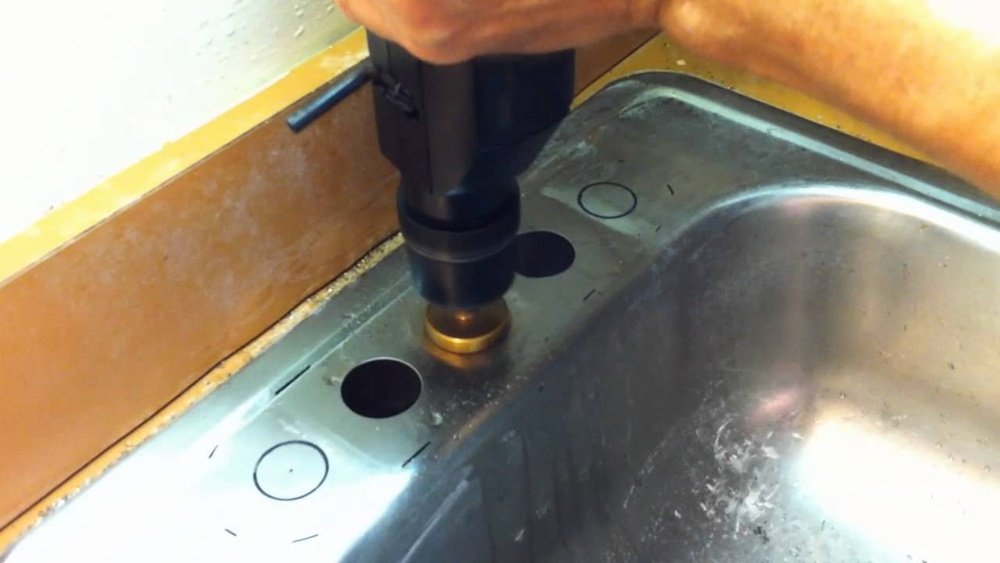
Drilling a hole in your stainless steel sink might seem tricky, but it’s easier than you think. Whether you need to install a new faucet, soap dispenser, or sprayer, knowing the right steps can save you time and prevent damage.
In this guide, you’ll discover simple, effective tips to drill clean holes without cracking or scratching your sink. Keep reading to learn how to get the job done safely and confidently—your sink will thank you!

Credit: www.reddit.com
Tools Needed
Drilling a hole in a stainless steel sink requires the right tools. Using proper equipment makes the job easier and safer. Knowing what tools to gather before starting helps avoid mistakes and damage.
Drill Types
A cordless drill is the best choice for this task. It offers control and mobility. Choose a drill with variable speed settings. A slower speed reduces heat and prevents damage to the sink.
Drill Bits For Stainless Steel
Use cobalt or titanium-coated drill bits. These are strong enough to cut through stainless steel. Start with a small pilot bit to mark the hole. Then, use a larger bit to reach the desired size. Sharp bits reduce effort and avoid slipping.
Safety Gear
Protect your eyes with safety goggles. Stainless steel shards can cause injury. Wear gloves to protect your hands from sharp edges. Use ear protection if the drill is loud. Safety gear keeps you safe during drilling.
Preparing The Sink
Preparing the sink is a crucial step before drilling a hole in stainless steel. Proper preparation ensures safety and accuracy. It also protects the sink from damage during drilling. Follow these simple steps to get your sink ready for the job.
Cleaning The Surface
Start by cleaning the sink surface thoroughly. Remove all dirt, grease, and grime. Use a mild detergent and warm water. Dry the area well with a clean cloth. A clean surface helps the drill bit stay steady and prevents slipping.
Marking The Drill Spot
Choose the exact spot where you want the hole. Mark it clearly with a permanent marker or a pencil. Use a ruler or measuring tape for precision. Marking helps avoid mistakes and keeps the hole in the right place.
Protecting Surrounding Areas
Cover the areas around the drill spot to protect from scratches. Use painter’s tape or masking tape around the mark. The tape also helps stop the drill bit from wandering. This step keeps your sink looking neat and undamaged.
Drilling Techniques
Drilling a hole in a stainless steel sink requires careful technique. Stainless steel is tough and can be tricky to drill without causing damage. Using the right methods helps create a clean, precise hole. It also protects your tools and the sink surface. Below are key drilling techniques to follow for the best results.
Setting Drill Speed
Use a low drill speed for stainless steel. High speeds can overheat the metal and dull your drill bit. Start slow and increase speed slightly if needed. Keep the drill steady and avoid rushing. A controlled speed gives better control and cleaner holes.
Using Lubrication
Apply lubricant to reduce heat and friction. Oil or cutting fluid works well. Place a few drops where you will drill. Lubrication helps the drill bit move smoothly. It also extends the life of your drill bit. Reapply the lubricant often during drilling.
Applying Steady Pressure
Press the drill gently but firmly against the sink. Avoid pushing too hard or forcing the bit. Let the drill do the work. Steady pressure prevents slipping and uneven holes. Stop drilling if you feel the bit struggling, then adjust your speed or lubrication.
Handling Common Issues
Drilling a hole in a stainless steel sink requires care to avoid common problems. These issues can make the task harder or damage the sink. Knowing how to handle these problems helps you finish the job smoothly.
Preventing Metal Warping
Stainless steel can warp from too much heat or pressure. Use a steady hand and moderate speed on the drill. Avoid pushing too hard. Let the drill bit do the work. Cooling the metal with water during drilling also helps keep it flat. Warping ruins the sink’s look and fit.
Dealing With Slippage
The drill bit can slip on the smooth steel surface. This causes scratches or uneven holes. Start by marking the spot with a center punch. This small dent guides the drill bit. Use masking tape on the area for extra grip. Hold the drill firmly and start slow to keep control.
Managing Heat Build-up
Drilling makes heat, which can dull the drill bit or damage the sink. Stop drilling every few seconds to cool the bit. Use water or oil as a lubricant. Keep the drill speed medium to avoid too much heat. Cooling prevents damage and keeps drilling easier.
Finishing Touches
After drilling a hole in your stainless steel sink, the work is not done yet. Finishing touches improve the look and safety of the hole. These steps protect the sink and help the installation last longer.
Proper finishing also prevents sharp edges from causing injuries. It keeps debris from damaging your pipes or fixtures. Lastly, checking the hole ensures it fits the needed parts perfectly.
Smoothing Rough Edges
Use a metal file or sandpaper to smooth the hole edges. Gently rub around the hole until edges feel smooth. This step removes sharp bits that can cut you or damage parts. Take your time and check the edge by touch.
Cleaning Debris
Clear all metal shavings and dust from the sink surface. Use a damp cloth or vacuum to remove tiny particles. Cleaning avoids clogging pipes or damaging other sink parts. Make sure the area is clean and dry before moving on.
Testing The Hole
Fit the faucet or fixture into the new hole. Check if it fits snugly without wobbling or gaps. Ensure the hole size matches the part exactly. Testing confirms the hole is ready for installation. Adjust the hole size if needed before finalizing.

Credit: www.youtube.com

Credit: www.reddit.com
Frequently Asked Questions
How Do I Drill A Hole In A Stainless Steel Sink Safely?
Use a center punch to mark the spot, then drill slowly with a cobalt bit. Apply steady pressure and keep the drill bit cool with water to avoid damage or overheating.
What Drill Bit Is Best For Stainless Steel Sinks?
A cobalt or titanium-coated drill bit works best. These bits are durable and can easily cut through tough stainless steel without dulling quickly.
Can I Drill A Stainless Steel Sink Without Cracking It?
Yes, but use low speed and steady pressure. Start with a small pilot hole and gradually increase the drill bit size to prevent cracking.
How To Prevent Scratches When Drilling Stainless Steel Sinks?
Cover the sink surface with painter’s tape where you plan to drill. This protects the finish and reduces the risk of scratches or slips.
Conclusion
Drilling a hole in a stainless steel sink is simple with the right tools. Take your time and follow each step carefully. Use a sharp drill bit and protect the sink surface. Keep the drill steady and apply gentle pressure.
Clean the area after drilling to avoid rust. This small task can help improve your sink’s function. Practice safety and patience for best results. You can do this project without professional help.
