


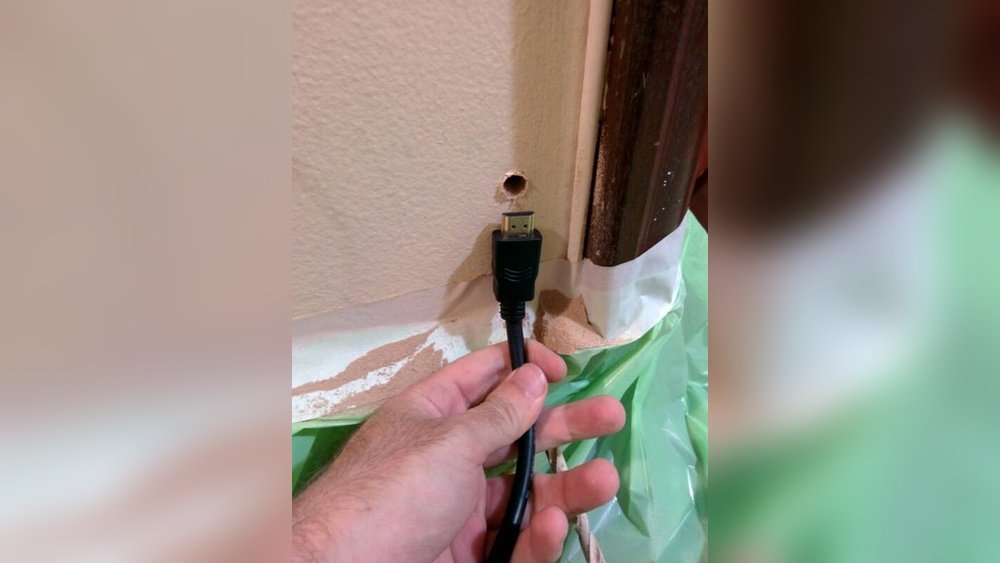
Are you ready to run cables through your walls but unsure how to start? Drilling a hole in your wall for cables might sound tricky, but with the right steps, you can do it safely and easily.
Imagine having a clean, professional-looking setup without messy wires hanging everywhere. You’ll learn exactly how to drill the perfect hole for your cables, avoid common mistakes, and keep your walls intact. Keep reading, and by the end, you’ll feel confident tackling this task like a pro.

Credit: www.amazon.com
Choosing The Right Tools
Choosing the right tools is key to drilling a clean hole in the wall for your cable. The right drill, drill bit, and safety gear make the job easier and safer. Using the wrong tools can cause damage or make the task harder.
Selecting The Drill
Pick a drill that suits your wall type. A cordless drill works well for most tasks. For harder walls like concrete, a hammer drill is better. Make sure the drill has enough power to handle the job. A drill with variable speed control helps you work carefully.
Picking The Drill Bit
Choose a drill bit designed for the wall material. Use masonry bits for brick or concrete walls. For drywall or plaster, standard twist bits work fine. The drill bit size must match the cable size. Too small, and the cable won’t fit. Too large, and the hole looks messy.
Safety Gear Essentials
Wear safety glasses to protect your eyes from dust and debris. Use a dust mask to avoid breathing in particles. Gloves protect your hands from rough surfaces. Ear protection helps if the drill is very loud. Safety gear keeps you safe and comfortable during the work.
Preparing The Wall
Preparing the wall is an important first step before drilling a hole for your cable. It helps avoid damage and keeps your work safe. Careful preparation makes the drilling process smooth and accurate. Follow these steps to get ready.
Locating The Drill Spot
Start by choosing the exact spot on the wall where the cable will go. Pick a place close to the device or outlet. Make sure the spot is flat and free from cracks or damage. This helps the hole stay strong and neat.
Checking For Wires And Pipes
Before drilling, check inside the wall for wires and pipes. Use a wire detector or stud finder tool. This prevents hitting electrical wires or water pipes. Avoiding these keeps you safe and stops costly repairs.
Marking The Spot
Mark the exact drill spot with a pencil. Use a small dot or cross for clear visibility. This mark guides your drill bit and keeps the hole in the right place. Double-check the mark before you start drilling.
Drilling Techniques
Drilling holes in walls for cables requires some basic techniques. These techniques help you work safely and get clean results. Use the right drill speed, start the hole carefully, and adjust for wall types. Each step matters for a smooth job.
Setting The Drill Speed
Choose the correct drill speed for the wall material. Use slow speed for hard surfaces like concrete. Medium speed works well for brick walls. Use higher speed for soft materials like drywall. Correct speed prevents damage and helps the drill bit last longer.
Starting The Hole
Mark the spot where you want the hole. Hold the drill steady and start at a low speed. Press gently to avoid slipping. Once the drill bit bites the wall, increase speed slightly. Keep the drill straight for a clean hole.
Drilling Through Different Wall Types
Each wall type needs special care. For drywall, a regular drill bit is enough. Use a hammer drill with a masonry bit for brick or concrete. Drill slowly and let the tool do the work. Avoid pushing too hard to stop cracking or chipping.

Credit: www.amazon.com
Finishing Touches
After drilling the hole, the final steps matter a lot. These finishing touches help keep the cable safe and the wall neat. Taking time here ensures a clean look and long-lasting result.
Cleaning The Hole
Remove dust and debris from the drilled hole. Use a brush or vacuum to clear all loose particles. A clean hole helps the cable fit smoothly and prevents damage.
Inserting The Cable
Gently push the cable through the hole. Avoid forcing it to stop bending or breaking. Leave some slack inside the wall for future adjustments or repairs.
Securing And Sealing
Use cable clips or ties to secure the cable inside the wall. Seal the hole with silicone or wall filler to block dust and moisture. This keeps the cable stable and the wall protected.
Common Mistakes To Avoid
Drilling a hole in the wall for cables seems easy. Many make simple mistakes that cause problems later. Avoid these common errors to get a clean, safe hole. Careful preparation helps you save time and money.
Drilling Without Checking
Never start drilling without checking the wall first. Walls often hide pipes, wires, or studs. Drilling blindly can cause damage or electric shock. Use a stud finder or a wire detector to be sure. Mark safe spots before you drill.
Using The Wrong Drill Bit
Each wall type needs a specific drill bit. Using the wrong bit can crack the wall or make a messy hole. Masonry walls need a masonry bit. Drywall requires a standard bit. Match the bit to the wall and cable size for best results.
Ignoring Safety Precautions
Safety matters. Wear safety glasses to protect your eyes. Use gloves to avoid cuts from sharp edges. Keep your work area clean and free of obstacles. Turn off power if drilling near electrical wires. Take safety seriously to prevent accidents.

Credit: www.reddit.com
Frequently Asked Questions
How Do I Choose The Right Drill Bit For Wall Holes?
Select a drill bit based on your wall type. Use masonry bits for brick or concrete and wood bits for drywall. Ensure the bit size matches your cable diameter for a snug fit and clean hole.
What Safety Precautions Should I Take Before Drilling?
Wear safety goggles and a dust mask to protect eyes and lungs. Check for wires or pipes inside the wall with a detector before drilling. Clear the area and work in a well-lit space.
How Deep Should I Drill For Cable Installation?
Drill a hole slightly deeper than your cable thickness plus extra space for easy pulling. Typically, 1 to 2 inches deeper than the cable diameter works well.
Can I Drill Through Drywall Without Damaging Cables?
Yes, if you use a stud finder to avoid studs and existing cables. Drill slowly with the correct bit and keep the hole size minimal to prevent damage.
Conclusion
Drilling a hole in the wall for cables is simple with the right steps. Always measure and mark the spot carefully. Use proper tools to avoid damage and ensure safety. Take your time and drill slowly. This helps keep the hole neat and clean.
Following these tips makes cable installation easier and safer. You can now run cables without trouble or mess. A small effort leads to a neat, professional look. Ready to try it yourself?
