


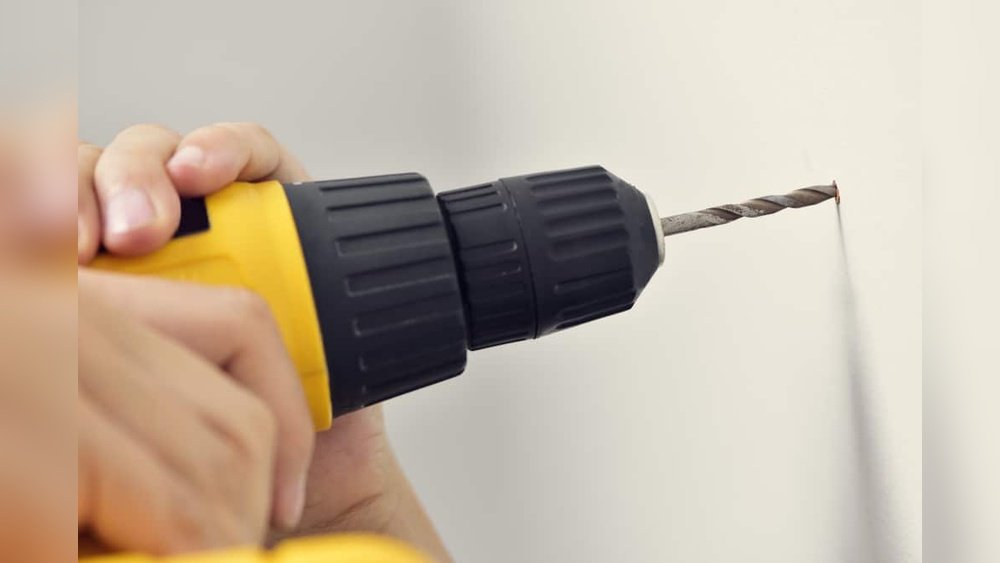
Are you ready to hang your favorite picture or install a new shelf but unsure how to drill holes in a wall safely and accurately? You might feel nervous about making mistakes or damaging your wall.
Don’t worry—this guide will walk you through every step, so you gain confidence and get the job done right the first time. By the end, you’ll know exactly how to drill holes that are clean, precise, and perfect for your needs.
Keep reading to learn simple tips and tricks that make drilling easy, even if you’ve never tried it before.
Choosing The Right Drill
Choosing the right drill is key to making clean holes in your wall. The drill type affects how easy and fast the job will be. It also helps protect your wall from damage. Knowing the drill features and drill bits will guide your choice. This section explains what drills and bits work best for wall drilling.
Types Of Drills
Cordless drills are popular for wall work. They run on batteries and are easy to move. You can drill anywhere without searching for power outlets. Corded drills have more power but need a plug. They suit tougher walls like concrete or brick. Hammer drills add a pounding action. This helps drill into hard surfaces quickly. Choose a drill based on wall material and hole size.
Selecting Drill Bits
Drill bits come in many shapes and sizes. For drywall, use standard twist bits. Masonry bits are needed for brick or concrete. They have a strong tip that breaks hard surfaces. Wood bits create clean holes in wooden walls. Check the bit size matches your screw or anchor. Using the right bit keeps holes neat and secure. Dull bits slow work and can damage the wall.

Credit: www.wikihow.com
Preparing The Wall
Preparing the wall before drilling is very important. It helps avoid damage and makes the task easier. Taking time to plan your work saves effort and keeps your home safe.
Knowing what is behind the wall is key. You must find studs and wires to drill safely. Marking the exact points for drilling ensures accuracy and neatness.
Locating Studs And Wiring
Studs are wooden or metal supports inside walls. They hold up the wall and provide strong spots for screws. Use a stud finder to locate these supports. Move the device slowly across the wall. It will beep or flash when it finds a stud.
Wires and pipes run inside walls too. Drilling into them can cause serious damage or injury. A wire detector helps find live wires. Scan the wall surface carefully to avoid these hazards. If unsure, switch off the power in that room first.
Marking Drill Points
After locating studs and wires, mark your drill spots. Use a pencil to make small dots on the wall. Check measurements twice for even spacing and correct height. Use a level to keep marks straight and aligned.
Clear marks help you drill holes in the right place. They also prevent mistakes that waste time and cause damage. Keep your marks light to erase later without leaving stains.
Setting Up For Drilling
Setting up properly before drilling ensures a smooth and safe process. Taking time to prepare can save effort and prevent damage. Knowing the right steps helps you drill holes accurately and confidently.
Safety Gear Essentials
Always wear safety glasses to protect your eyes from dust and debris. Use ear protection if the drill noise is loud. Gloves help keep your hands safe and improve grip. Wear a dust mask to avoid breathing in particles. Clear the area of loose objects that might get in the way.
Drill Settings And Speed
Select the correct drill bit for your wall type, such as masonry or wood bits. Use a slower speed for hard surfaces like concrete. Faster speeds suit softer materials like drywall. Set the drill to hammer mode for tough walls. Check the drill’s settings before starting to avoid mistakes.

Credit: diy.stackexchange.com
Drilling Techniques
Drilling holes in a wall requires careful technique to achieve clean, precise results. Proper drilling methods help avoid damage and make the task easier. Focus on starting the hole correctly, keeping the drill steady, and controlling the depth.
These techniques suit both beginners and those with some experience. Follow the steps below to drill safely and accurately.
Starting The Hole
Begin by marking the exact spot where the hole will go. Use a pencil or tape for clear visibility. Hold the drill perpendicular to the wall to ensure a straight hole. Start the drill at low speed to create a small guide dent. This prevents the drill bit from slipping.
Maintaining Stability
Hold the drill with both hands for better control. Keep your arms close to your body to reduce shaking. Stand firmly with feet shoulder-width apart. Apply steady, even pressure without forcing the drill. Let the drill do the work to avoid breaking the bit.
Depth Control
Use a depth stop or wrap tape around the drill bit. This marks the maximum drilling depth. Drill slowly and watch the tape to stop at the right point. Avoid drilling too deep to protect pipes or wires inside the wall. Measure twice, drill once.
Handling Different Wall Materials
Drilling holes in walls requires different methods for various wall materials. Each material has its own hardness and texture. Knowing how to handle these differences makes the job easier and safer.
Drilling In Drywall
Drywall is soft and easy to drill. Use a regular drill bit for small holes. Start with a low speed to avoid cracking. Push gently and keep the drill steady. Drywall anchors help hold screws firmly in place.
Drilling In Concrete
Concrete is very hard. Use a hammer drill with a masonry bit. Mark the spot clearly before drilling. Apply steady pressure but do not force the drill. Take breaks to cool the bit and prevent damage.
Drilling In Brick
Brick walls need a masonry bit too. Avoid drilling on mortar joints as they are weaker. Use moderate speed and steady pressure. Clean dust from the hole often for better grip. Use wall plugs to secure screws tightly.

Credit: www.wikihow.com
After Drilling Care
After drilling holes in a wall, taking proper care is important. It keeps the hole clean and ready for use. It also helps fixtures stay secure and last longer.
Cleaning The Hole
Remove dust and debris from the drilled hole. Use a small brush or a vacuum to clear it out. A clean hole helps anchors fit tightly. It also stops fixtures from loosening over time.
Inserting Anchors
Choose anchors that match the wall type and hole size. Push the anchor gently into the hole. Make sure it sits flush with the wall surface. Anchors give extra support for screws and fixtures.
Fixing Fixtures
Align the fixture with the drilled hole. Insert screws through the fixture into the anchor. Tighten screws carefully to avoid damage. Check if the fixture is steady and secure.
Troubleshooting Common Issues
Drilling holes in a wall can sometimes lead to small problems. These problems can slow down your work or cause mistakes. This section helps you solve common issues fast. It guides you through simple fixes for better results. Follow these tips to keep your drilling smooth and clean.
Dealing With Drill Slips
Drill slips happen when the bit moves away from the mark. This can make holes in the wrong spot. To stop slipping, press the drill gently at first. Use a small nail or punch to make a small hole. This helps the drill stay in place. Hold the drill steady and keep it straight.
Fixing Misaligned Holes
Misaligned holes look messy and can cause problems. If a hole is off, try to widen it carefully. Use a larger drill bit or a file to shape it. For small errors, fill the hole with putty before drilling again. Measure twice before drilling next time to avoid mistakes.
Managing Dust And Debris
Drilling creates dust that can make a mess. Dust can also block the drill bit and slow drilling. Use a vacuum or a brush to clear dust often. Hold a cloth under the hole to catch falling debris. Wear a mask to protect your lungs from dust.
Frequently Asked Questions
What Tools Do I Need To Drill Holes In A Wall?
You need a drill, drill bits, a pencil, a level, and safety gear. Use a stud finder for drywall to avoid pipes and wires. Choose the right drill bit for your wall type, such as masonry bits for brick or concrete.
How Do I Choose The Right Drill Bit For Walls?
Select drill bits based on wall material. Use masonry bits for brick or concrete walls. For drywall, standard twist bits work well. Always match the drill bit size to the hole size needed for anchors or screws.
How Deep Should I Drill Holes In A Wall?
Drill holes slightly deeper than the anchor or screw length. This ensures proper anchoring and stability. Measure the anchor length and add a few millimeters for clearance. Avoid drilling too deep to prevent damaging hidden wiring or pipes.
Can I Drill Holes Safely Without Hitting Wires Or Pipes?
Yes, use a stud finder with wire detection to locate hidden wires or pipes. Avoid drilling in marked areas. Turn off electricity in the work area for added safety. Always drill slowly to feel resistance and stop if necessary.
Conclusion
Drilling holes in a wall is easier than you think. Use the right drill and bit for your wall type. Always mark the spot clearly before you start. Wear safety glasses to protect your eyes. Take your time and drill straight for best results.
Clean the dust from the hole before placing anchors or screws. With these simple steps, your project will go smoothly. Practice makes perfect. Soon, drilling holes will feel natural and stress-free.
