


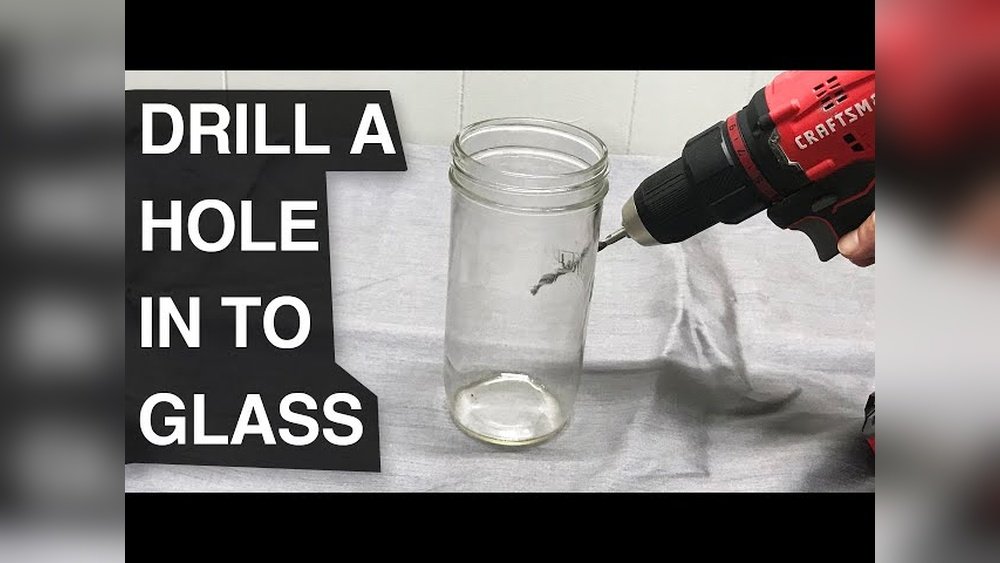
Drilling into glass might sound tricky, even risky. You probably worry about cracking or shattering that delicate surface.
But what if you could do it safely, without a single crack? Imagine being able to add hooks, shelves, or decorations on glass with confidence. In this guide, you’ll discover simple, effective steps to drill into glass without breaking it.
By the end, you’ll have the skills to handle this task like a pro—saving time, money, and frustration. Ready to learn how? Let’s get started.
Credit: designmom.com
Choosing The Right Tools
Drilling into glass requires careful tool selection. The right tools help prevent cracks and breaks. Using proper equipment makes the job safer and easier. Choosing tools designed for glass ensures clean holes and less damage.
Best Drill Bits For Glass
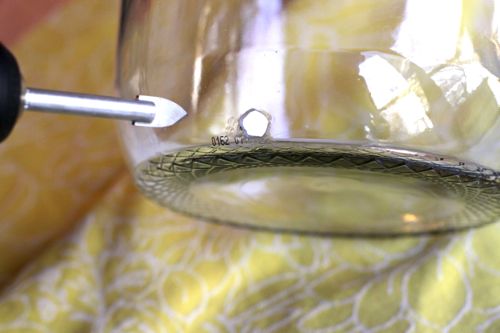
Diamond drill bits work best for glass. They have a strong, sharp edge that cuts smoothly. Carbide-tipped bits also work but wear out faster. Avoid regular metal bits; they can cause cracks. Pick bits made especially for glass or tile.
Protective Gear Essentials
Wear safety goggles to protect your eyes from glass shards. Use gloves to keep hands safe from sharp edges. A dust mask helps avoid breathing glass dust. Always cover clothes to prevent damage from small glass pieces.
Additional Helpful Tools
Use painter’s tape on glass to stop slipping. A drill guide keeps the bit steady and straight. Water or a lubricant cools the drill bit and glass. A clamp can hold the glass in place during drilling.
Credit: www.homedepot.com
Preparing The Glass Surface
Preparing the glass surface is the first step to drill without breaking it. Proper preparation ensures safety and precision. It helps prevent cracks and chips during drilling. Take your time with this stage to achieve the best results.
Cleaning And Marking The Spot
Start by cleaning the glass surface well. Remove dirt, dust, and grease using a mild cleaner. Dry the glass completely before moving on. Use a marker or tape to mark the exact drilling spot. This helps guide the drill and keeps it steady.
Securing The Glass
Place the glass on a flat, stable surface. Use clamps or a non-slip mat to hold it firmly. The glass must not move during drilling. Movement increases the risk of cracks and accidents. Keep your hands away from the drilling area.
Using Tape For Stability
Apply masking or painter’s tape over the drilling spot. The tape adds grip and reduces glass vibrations. It also helps prevent the drill bit from slipping. Drill through the tape to protect the surface and guide the drill.
Drilling Techniques
Drilling into glass needs care and the right methods. Glass is fragile and breaks easily without proper steps. Using correct techniques helps prevent cracks and chips. These methods also make the work faster and safer.
Focus on slow, steady actions. Do not rush or press too hard. Use the right drill bits made for glass. Keep the glass cool to stop heat damage. Follow these simple steps for best results.
Starting With A Pilot Hole
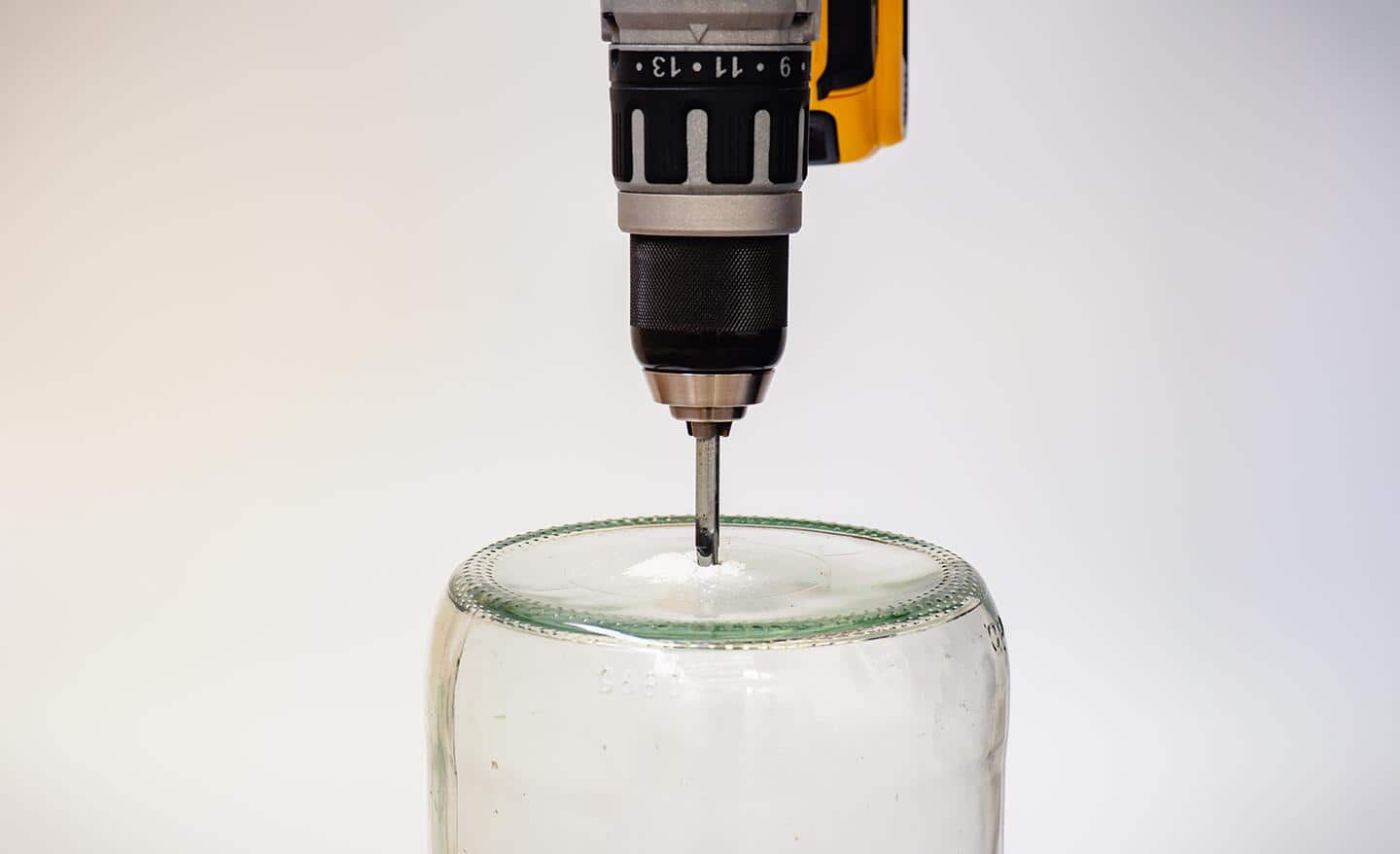
A small pilot hole guides the drill bit carefully. Begin with a low speed drill setting. Use a diamond or carbide bit for accuracy. Place tape on the glass to stop slipping. Drill gently to create a small hole first.
Maintaining Steady Pressure
Push the drill bit with even, light pressure. Avoid forcing the bit through the glass. Let the drill do the work at its pace. Keep your hands steady to prevent shaking. Slow and steady helps avoid cracks.
Cooling The Drill Area
Heat builds quickly and can break glass. Use water or a cooling spray while drilling. Wet the area often to keep it cool. Pause drilling to add more water if needed. Cooling protects the glass and drill bit.
Avoiding Common Mistakes
Drilling into glass requires care and attention. Small mistakes can cause cracks or break the glass. Avoiding common errors helps keep your glass safe. Follow these tips to drill smoothly without damage.
Overheating And Cracking
Glass breaks easily when it gets too hot. Drilling creates heat from friction. Without cooling, the glass can crack. Use water or a coolant to keep the glass cool. Stop often to let the glass cool down. This reduces the risk of cracking.
Using Incorrect Speed
High drill speed can cause glass to shatter. Choose a slow and steady speed instead. Slow speed controls the drill better. It prevents sudden pressure and heat build-up. Adjust speed based on glass thickness for best results.
Applying Excessive Force
Pressing too hard can break the glass. Let the drill do the work gently. Use light, even pressure to avoid stress. Heavy force may cause chips or cracks. Patience and a soft touch protect your glass.
Finishing And Cleaning Up
Finishing and cleaning up are key steps after drilling glass. These steps protect the glass and make the hole safe to use. Proper care keeps your work neat and avoids damage. Follow these tips to complete your project smoothly.
Smoothing Edges
Glass edges around the hole can be sharp and rough. Use a fine diamond file or sanding stone to smooth them. Gently rub the edges until they feel smooth to touch. This prevents cuts and makes the hole look clean.
Removing Debris Safely
Glass dust and small shards can be dangerous. Use a soft brush or vacuum to clear debris carefully. Avoid using your hands directly on the glass surface. Wear safety gloves and eye protection during cleanup.
Inspecting The Hole Quality
Check the hole for cracks or chips. Shine a light through the hole to see any flaws. A clean, round hole means good drilling. Fix small chips with clear nail polish for extra strength.
When To Seek Professional Help
Drilling into glass can be tricky and risky. Knowing when to get help from a professional can save time and prevent damage. Some glass types and projects need expert skills and tools. Safety is also very important. Here are some signs that it is best to call a pro.
Complex Glass Types
Some glass is hard to drill. Tempered glass is very strong but breaks easily if drilled wrong. Laminated glass has layers that can crack or separate. Stained or decorative glass needs careful handling to avoid damage. Professionals have the right tools and know the right techniques. They reduce the chance of breaking the glass.
Large Or Multiple Holes
Making many holes or big holes is harder than one small hole. Each hole adds risk of cracks. Big holes need special drill bits and slow drilling. A professional can plan the drilling to keep the glass safe. They work faster and avoid mistakes that can waste glass or money.
Safety Considerations
Drilling glass creates dust and sharp pieces. These can hurt eyes and skin. Professionals wear safety gear and have clean work areas. They know how to protect themselves and others. If you do not have the right tools or safety gear, it is best to let a pro handle the job.

Credit: www.youtube.com
Frequently Asked Questions
How Do I Drill Into Glass Without Cracking It?
Use a diamond drill bit and apply light, steady pressure. Keep the glass wet to reduce heat and prevent cracking.
What Type Of Drill Bit Works Best For Glass?
A diamond-tipped or carbide-tipped drill bit is ideal. These bits cut smoothly and minimize the risk of damage.
Should I Use Water While Drilling Glass?
Yes, water cools the drill bit and glass surface. It prevents overheating, reducing the chance of cracks and breaks.
How Fast Should I Drill Into Glass?
Use a low drill speed to maintain control. High speeds generate heat and increase the risk of breaking the glass.
Conclusion
Drilling into glass needs care and the right tools. Use a diamond or carbide drill bit. Keep the glass cool with water while drilling. Start slowly to avoid cracks or breaks. Take your time and stay patient. This way, you can make clean holes safely.
Practice on scrap glass to build confidence. Small steps lead to successful results. You can do this without damaging your glass. Just follow the tips, and you will succeed.
