


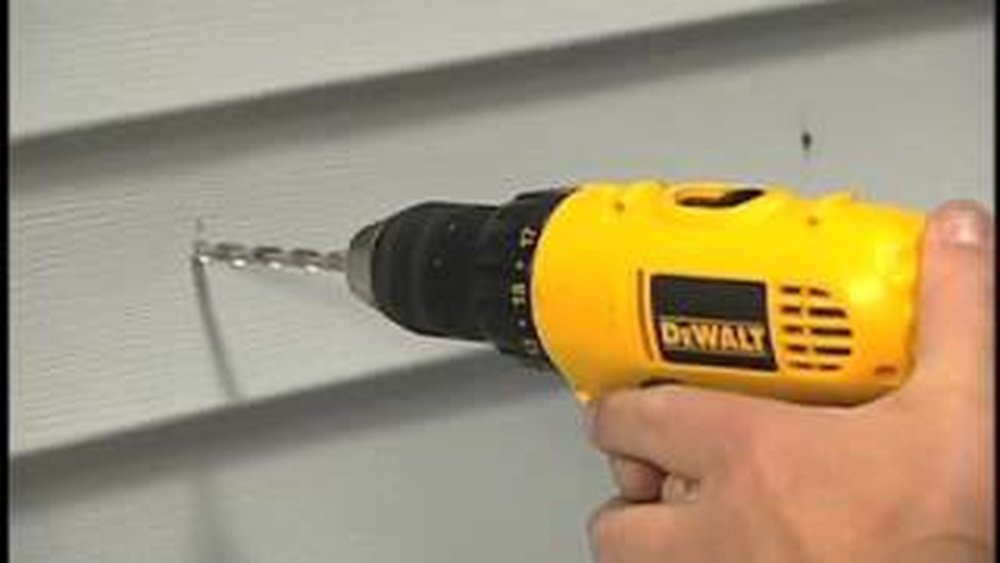
Drilling into vinyl siding might seem tricky at first, but with the right steps, you can do it safely and easily. Whether you’re hanging a light fixture, installing a mailbox, or mounting a security camera, knowing how to drill without damaging your siding is key.
In this guide, you’ll discover simple tips that protect your home and make the job quick. Keep reading, and you’ll gain the confidence to handle this task like a pro.

Credit: www.amazon.com
Tools You’ll Need
Drilling into vinyl siding needs the right tools to do it safely and cleanly. Using proper equipment helps avoid damage to the siding. It also makes the task easier and faster. Below, find the key tools to prepare before starting your project.
Choosing The Right Drill
Pick a drill that is lightweight and easy to control. A cordless drill offers good mobility. Look for one with adjustable speed settings. Lower speeds reduce the risk of cracking the siding. Avoid drills that are too powerful for this delicate material.
Selecting Drill Bits
Use drill bits designed for plastic or vinyl. High-speed steel (HSS) bits work well. Sharp bits create clean holes without cracking. Choose a bit size that matches the screw or anchor. Start with a smaller bit for a pilot hole if needed.
Safety Gear Essentials
Wear safety glasses to protect your eyes from debris. Use gloves to avoid sharp edges or slipping. Hearing protection is useful if the drill is loud. Keep a dust mask handy if dust builds up during drilling. Safety gear keeps you protected throughout the task.
Preparing Vinyl Siding
Preparing vinyl siding before drilling is key to a successful job. Proper preparation helps avoid damage and ensures secure installation. It involves finding the right spots to drill, marking them clearly, and cleaning the area well.
Locating Studs And Supports
Find studs or supports behind the siding. These provide strong backing for screws or anchors. Use a stud finder to locate them. Mark each stud’s position lightly on the siding. Drilling into these points prevents siding from cracking or loosening.
Marking Drill Points
Mark exact spots where holes will go. Use a pencil or chalk for clear marks. Avoid heavy pressure to prevent siding damage. Double-check measurements for accuracy. Correct marking saves time and reduces errors during drilling.
Cleaning The Surface
Clean the siding surface before drilling. Remove dirt, dust, and debris with a soft cloth. A clean surface helps drill bits work better. It also prevents slipping and keeps holes neat. Dry the area completely before starting to drill.
Drilling Techniques
Drilling into vinyl siding needs care and the right technique. Using the proper method helps avoid damage and makes the job easier. Focus on drill speed, angle, and pressure for the best results. This section covers key tips to drill safely and cleanly.
Setting Drill Speed
Use a low to medium drill speed. High speed can melt the vinyl due to friction. Keep the drill steady and slow for better control. Adjust speed based on the drill bit size and siding thickness.
Angle And Pressure Tips
Hold the drill perpendicular to the siding surface. This helps make a straight hole. Apply gentle, steady pressure. Pressing too hard can crack the siding. Let the drill bit do the work.
Avoiding Cracks And Damage
Start with a small pilot hole before drilling the final size. This reduces stress on the siding. Use sharp drill bits to cut cleanly. Avoid forcing the drill if you feel resistance. Check the siding often for signs of cracking.
Credit: www.hunker.com
Handling Common Issues
Drilling into vinyl siding can sometimes cause issues that slow down your work. Small problems like splintering, misaligned holes, or water leakage can affect your siding’s look and function. Handling these issues fast keeps your siding safe and looking good. Here are some tips to fix common problems.
Dealing With Splintering
Splintering happens when vinyl cracks or chips during drilling. Use a sharp drill bit made for plastic or metal. Drill slowly to avoid too much pressure. Place a piece of masking tape over the drill spot. This helps hold the vinyl together and stops cracks. If splinters appear, smooth the edges with fine sandpaper carefully.
Fixing Misaligned Holes
Misaligned holes can make mounting hard and look messy. Mark the spot clearly before drilling. If a hole is off, fill it with exterior-grade silicone or vinyl patch. Let it dry fully before drilling again. Use a level or guide to ensure the next hole is straight. Taking time here saves you from bigger repairs later.
Preventing Water Leakage
Water can enter through holes and cause damage behind the siding. Always use a waterproof sealant around drilled holes. Apply silicone caulk or similar sealant inside and outside the hole. Check for gaps or cracks after finishing. Proper sealing keeps water out and protects your home from mold and rot.
Post-drilling Care
After drilling into vinyl siding, taking care of the area is very important. Proper post-drilling care helps keep your siding safe from water and dirt. It also keeps your siding looking good and lasting longer. Follow these simple steps to protect your siding and avoid damage.
Sealing And Waterproofing
Seal the drilled hole with a waterproof sealant. Use a silicone or vinyl-safe caulk. This prevents water from entering and causing damage. Apply the sealant evenly around the hole. Let it dry completely before touching or painting.
Cleaning Up Debris
Remove all dust and small pieces from drilling. Use a soft brush or cloth to clean the area. Avoid using water until the sealant dries. Keeping the area clean stops dirt from building up. It also helps the sealant stick better.
Inspecting For Damage
Check the siding for cracks or splits near the hole. Look closely for any loose or bent pieces. Fix small damages right away with the right materials. Early repair stops bigger problems later. Keep the siding strong and secure.
Expert Hacks For Efficiency
Drilling into vinyl siding requires care and smart techniques. Using expert hacks saves time and prevents damage. These tips help you work faster and cleaner on your siding project.
Using Pilot Holes
Start by drilling small pilot holes before the main hole. Pilot holes guide the larger drill bit. They stop the siding from cracking or bending. Choose a bit slightly smaller than the screw or anchor size. Drill slowly to keep control and accuracy.
Temporary Supports
Place a piece of scrap wood behind the siding. This support holds the siding steady during drilling. It also prevents the drill bit from pushing the siding inward. Use clamps or tape to keep the support in place. This trick reduces mistakes and keeps siding safe.
Tool Maintenance Tips
Keep drill bits sharp and clean for smooth work. Dull bits can crack or melt vinyl. Check your drill’s battery or power cord before starting. A well-maintained tool works faster and makes cleaner holes. Clean bits after use to avoid buildup and rust.

Credit: www.youtube.com
Frequently Asked Questions
How Do I Safely Drill Into Vinyl Siding?
Use a drill with a sharp bit and low speed. Pre-drill a pilot hole slightly smaller than your screw. Avoid cracking by applying gentle pressure and backing the siding with a block if possible.
What Drill Bit Size Is Best For Vinyl Siding?
Choose a drill bit slightly smaller than the screw diameter. Typically, a 1/8-inch bit works well for most vinyl siding screws. This ensures a snug fit without damaging the siding material.
Can I Drill Vinyl Siding Without Causing Damage?
Yes, by drilling slowly with the right bit and low pressure, you avoid cracks. Always pre-drill and handle the siding gently during installation to keep it intact.
Should I Remove Vinyl Siding Before Drilling?
Not always necessary. You can drill through vinyl siding directly, but be careful to avoid cracks. Removing siding is recommended for precise installations or heavy hardware.
Conclusion
Drilling into vinyl siding is simple with the right steps. Always measure and mark the spot carefully. Use the correct drill bit for best results. Take your time to avoid cracking or damage. Keep the drill steady and apply gentle pressure.
Seal the hole to protect from water. Practice on a scrap piece if unsure. Following these tips helps your project go smoothly. Enjoy your work with confidence and safety.
