


Drilling into cement might seem tricky at first, but with the right approach, you can do it quickly and safely. Whether you want to hang shelves, mount a TV, or install fixtures, knowing how to drill on cement is a skill that saves you time and frustration.
In this guide, you’ll discover simple tips and step-by-step instructions that make the job easier than you think. Keep reading, and you’ll gain the confidence to tackle your project like a pro.
Credit: www.homedepot.com
Choosing The Right Tools
Choosing the right tools makes drilling on cement easier and safer. The correct equipment helps you work faster and avoid damage. Using tools designed for cement ensures clean holes and better results.
Types Of Drills For Cement
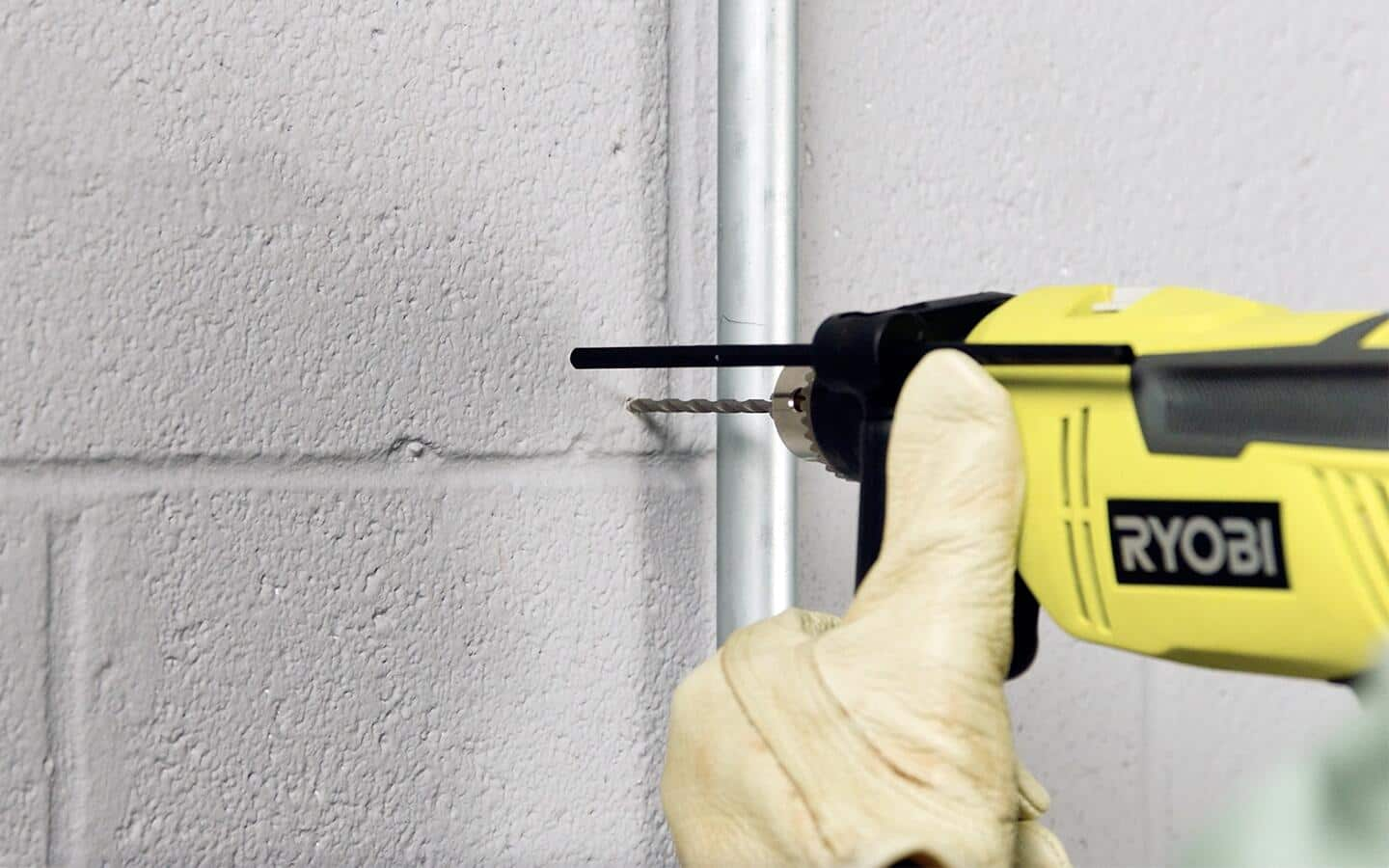
Hammer drills are the best choice for cement. They combine rotation with a hammering action. This helps break the hard surface quickly. Rotary drills can work but are slower and less effective. Cordless drills offer convenience, but check their power for cement jobs.
Best Drill Bits For Concrete
Masonry drill bits are made for concrete and cement. They have strong tips made from tungsten carbide. These bits resist wear and cut through tough surfaces. Use the right size bit for your hole to avoid cracking. Always replace dull bits to keep drilling smooth.
Safety Gear Essentials
Wear safety glasses to protect your eyes from dust and debris. Use ear protection to guard against loud noise from the drill. Gloves help protect your hands from vibration and rough materials. A dust mask prevents breathing in harmful cement dust. Proper gear keeps you safe and comfortable during work.
Credit: www.homedepot.com
Preparing The Surface
Preparing the surface is the first step before drilling on cement. It helps ensure accuracy and safety. A clean, well-marked area makes drilling easier and prevents mistakes. Take your time to get this step right. It sets the foundation for a smooth drilling process.
Marking Drill Points Accurately
Use a pencil or chalk to mark spots clearly. Measure twice to avoid errors. Check the marks from different angles. Make dots small but visible. This helps guide the drill bit to the exact point. Avoid guessing where to drill. Precise marks save time and prevent damage.
Cleaning The Cement Area
Remove dust, dirt, and loose particles from the surface. Use a brush or cloth to clean the area well. A clean surface improves drill grip and accuracy. Dirt can cause the drill bit to slip. Clean spots also help the drill bit last longer. Always prepare the area before starting to drill.
Drilling Techniques
Drilling on cement requires careful techniques to avoid damage and ensure clean holes. Using the right approach helps the drill bit last longer and improves accuracy. These simple steps make drilling easier and safer.
Starting With A Pilot Hole
Begin by marking the spot clearly. Use a smaller drill bit to make a pilot hole first. This guides the larger bit and prevents slipping. A pilot hole helps keep the drill steady and reduces cracks in the cement.
Controlling Speed And Pressure
Keep the drill speed low to medium. High speed can overheat the bit and damage the cement. Apply steady, gentle pressure. Too much force can break the bit or cause the hole to be uneven. Let the drill do the work.
Using Hammer Function Effectively
Use the hammer function on your drill for tough cement. It combines rotation with a pounding action to break the material faster. Switch it off for softer areas or finishing touches. This method saves time and effort while making clean holes.
Credit: www.homedepot.com
Handling Common Challenges
Drilling on cement can be tough. Challenges often slow down the work or damage tools. Knowing how to handle these problems saves time and effort. This section covers common issues and easy ways to fix them.
Dealing With Reinforced Cement
Reinforced cement has steel bars inside. These bars stop the drill from going through. Use a hammer drill with a strong bit made for metal. Drill slowly and steady. When you hit steel, change the bit or angle slightly. Avoid pushing too hard to prevent damage.
Preventing Bit Overheating
Drill bits can get hot fast. Heat makes bits dull and breaks them. To stop overheating, drill in short bursts. Let the bit cool by pausing often. Use water to cool the bit if safe. Keep the drill speed moderate for better control.
Fixing Drill Bit Slippage
Slippage happens when the bit slips on cement. It makes holes uneven and wastes time. Mark the spot with a nail or punch first. Use a sharp bit and hold the drill straight. Press firm but don’t force the drill. Slippage will reduce with a steady hand.
Post-drilling Tips
After drilling into cement, taking the right steps ensures a strong hold. Proper care helps anchors and fasteners stay secure. Follow these simple tips for the best results.
Cleaning The Hole
Remove dust and debris from the drilled hole. Use a brush or a vacuum to clear it out. A clean hole allows anchors to fit tightly. Avoid leaving loose particles inside the hole. This step improves grip and prevents slipping.
Inserting Anchors And Fasteners
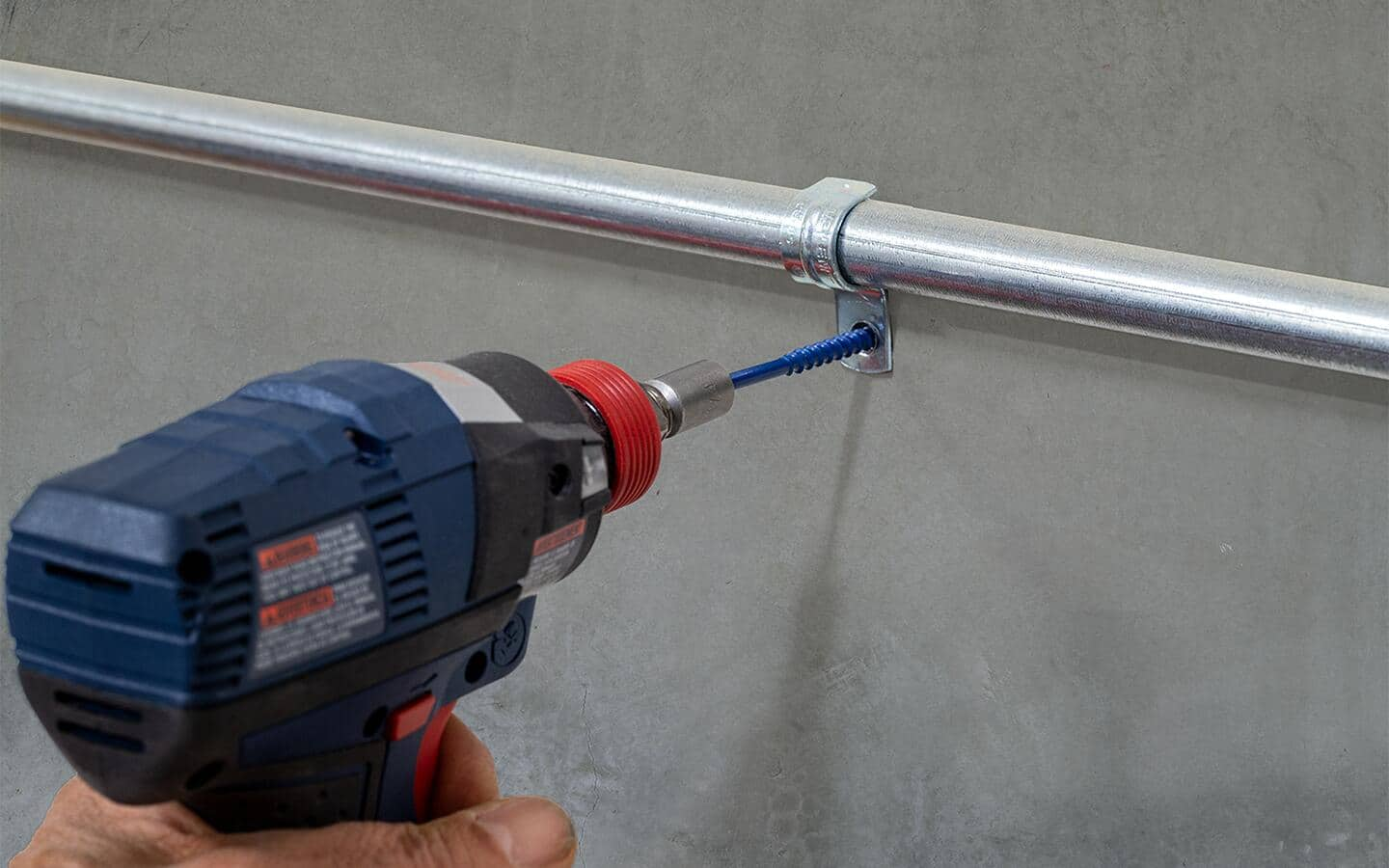
Choose anchors that match the hole size and weight needs. Tap anchors gently into the hole until flush with the surface. Insert screws or bolts carefully into the anchors. Tighten them slowly to avoid cracking the cement. Proper insertion ensures a durable and safe fix.
Maintenance Of Drilling Equipment
Maintaining drilling equipment is key to drilling on cement safely and efficiently. Regular care helps tools last longer and work better. It also prevents accidents and costly repairs. Simple steps like cleaning and checking your drill make a big difference. These tasks keep the drill sharp and ready for tough jobs.
Cleaning And Storing Drill Bits
After each use, remove dust and cement from drill bits. Use a brush or cloth to clean them well. Avoid water that can cause rust. Store bits in a dry place to protect from moisture. Use a case or box to keep bits organized and safe. Proper storage stops damage and keeps bits sharp.
Checking Drill Performance
Test your drill before starting work. Listen for strange sounds or vibrations. Check if the drill spins smoothly without stopping. Watch for smoke or burning smells during use. Replace worn or damaged parts quickly. A well-performing drill saves time and effort. Regular checks avoid breakdowns during important jobs.
Frequently Asked Questions
What Drill Bit Is Best For Drilling Into Cement?
Use a carbide-tipped masonry drill bit for cement. It provides durability and efficient drilling. Avoid regular wood or metal bits, as they dull quickly on cement surfaces.
How Do I Prepare Cement Before Drilling?
Clean the cement surface to remove dust and debris. Mark the drilling spot clearly. Use a hammer drill for best results on hardened cement.
Can I Drill Into Cement Without A Hammer Drill?
Yes, but it’s slower and less effective. A hammer drill combines rotation with impact, making drilling easier and faster in cement.
How Deep Should I Drill Into Cement?
Drill slightly deeper than the anchor or screw length. This ensures a secure fit and proper installation of fixtures.
Conclusion
Drilling into cement takes patience and the right tools. Use a hammer drill and a masonry bit for best results. Keep the drill steady and apply gentle pressure. Avoid rushing to prevent cracking or damage. Always wear safety glasses to protect your eyes.
With practice, drilling on cement becomes easier and safer. Stay calm, follow these steps, and your project will go smoothly. Simple tips make a big difference. Try it yourself and see how well it works.
