


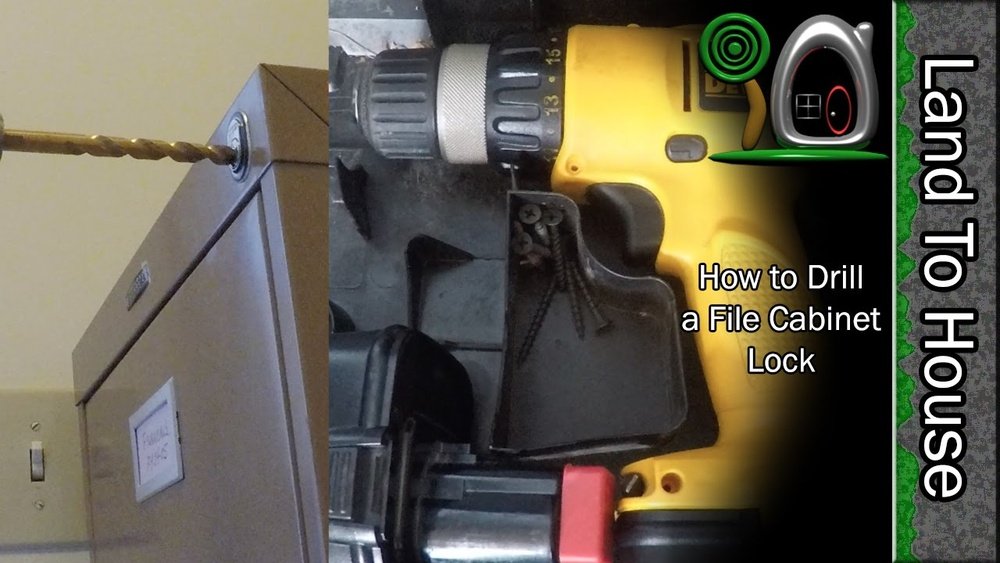
Have you ever found yourself stuck in front of a cabinet with a lock that just won’t budge? It can be frustrating, especially when you need quick access to what’s inside.
Knowing how to drill out a cabinet lock can save you time, money, and stress. In this guide, you’ll discover simple, step-by-step instructions that anyone can follow—even if you’ve never used a drill before. By the end, you’ll feel confident handling this tricky situation safely and efficiently.
Ready to unlock the secret? Let’s get started.

Credit: www.amazon.com
Tools You Need
Drilling out a cabinet lock needs the right tools. Using the proper equipment makes the job easier and safer. Prepare all tools before starting. This saves time and avoids mistakes.
Drill Types And Bits
Choose a power drill with good control and steady speed. Cordless drills offer more freedom of movement. Use metal drill bits for drilling through lock components. Start with a small bit to make a pilot hole. Then switch to a larger bit to widen the hole.
Safety Gear Essentials
Wear safety glasses to protect your eyes from flying metal shavings. Use gloves to shield your hands from sharp edges and heat. Ear protection helps reduce noise from the drill. A dust mask keeps you safe from tiny dust particles.
Additional Helpful Tools
A center punch helps mark the drilling spot accurately. A hammer is useful for tapping the punch into place. A screwdriver can assist in removing lock parts after drilling. Keep a flashlight nearby for better visibility inside the cabinet.
Credit: www.youtube.com
Preparing The Workspace
Preparing the workspace is an important first step before drilling out a cabinet lock. It helps keep the process safe and efficient. A clean and organized area reduces mistakes and accidents. Proper setup also protects the cabinet and surrounding items from damage.
Clearing The Area
Remove all items near the cabinet. Clear the floor space to avoid tripping. Keep tools and materials close but not cluttered. A tidy area lets you work faster and focus better.
Securing The Cabinet
Make sure the cabinet does not move while drilling. Use clamps or have someone hold it steady. This prevents slips that could damage the cabinet or cause injury. Stability is key for precise drilling.
Marking The Drill Spot
Identify the exact spot to drill on the lock. Use a pencil or marker to make a clear dot. Double-check the spot to avoid drilling in the wrong place. Accurate marking saves time and effort.
Drilling Techniques
Drilling out a cabinet lock needs the right technique to work well. The drilling must be careful and controlled. This stops damage to the cabinet and makes the task easier. Follow these simple drilling steps for good results.
Choosing The Right Speed
Select a drill speed that fits the lock material. Use low speed for metal locks to avoid overheating. High speed can damage the drill bit or lock. Take your time and keep the speed steady.
Applying Steady Pressure
Push the drill gently but firmly into the lock. Too much force can break the drill bit. Too little pressure slows the process. Keep a steady hand and let the drill do the work.
Avoiding Damage To The Cabinet
Place a piece of tape around the lock before drilling. This protects the wood from scratches. Stop drilling as soon as the lock starts to break. Check often to avoid going too deep. Stay focused to keep the cabinet safe.

Credit: www.amazon.com
Removing Lock Components
Removing lock components is a key step in drilling out a cabinet lock. It clears the way to replace or fix the lock. The process needs care and the right tools. This part explains how to break the lock cylinder, take out lock pieces, and test the removal.
Breaking The Lock Cylinder
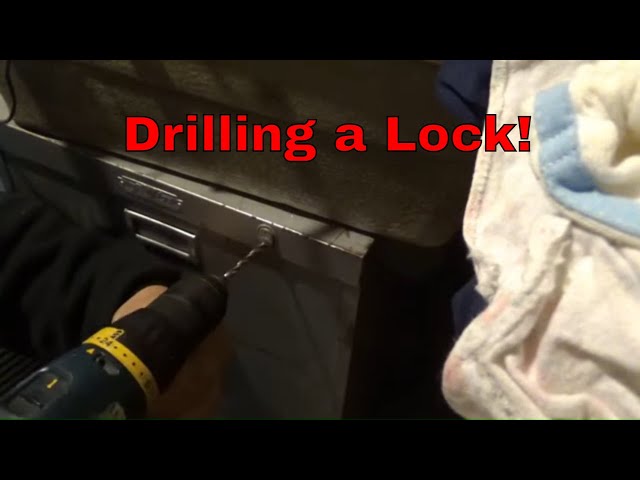
Start by focusing on the lock cylinder. Use a drill with a strong bit to drill into the center. Drill steadily and avoid rushing. The goal is to break the cylinder inside the lock. Once cracked, the lock becomes easier to remove.
Extracting Lock Pieces
After breaking the cylinder, remove the loose pieces. Use pliers or a small screwdriver to pull out parts. Clear all broken bits from the lock housing. This step helps clear the path for the new lock or repair.
Testing The Lock Removal
Check the cabinet door to see if it opens smoothly. Test the lock area for any stuck pieces. If needed, clean or adjust the opening. A smooth test means the lock removal was successful.
Safety Tips
Drilling out a cabinet lock involves sharp tools and power drills. Safety is very important. Taking simple steps can stop injuries. This section covers key safety tips to keep you safe.
Protecting Your Eyes And Hands
Wear safety goggles to protect your eyes from metal shavings. Gloves protect your hands from sharp edges and hot drill bits. Use sturdy gloves that fit well. Never skip eye or hand protection.
Handling Power Tools Safely
Check your drill before use. Make sure the bit is tight and not damaged. Hold the drill firmly with both hands. Keep fingers away from the drill bit. Always unplug the drill when changing bits.
Working In A Well-ventilated Area
Drilling can create dust and fumes. Work near an open window or door. Use a fan to move fresh air around. Good airflow helps you breathe easily and stay alert.
Alternatives To Drilling
Drilling a cabinet lock is not the only way to open it. Other methods can save time and prevent damage. These alternatives might be easier and less noisy. They also keep your cabinet safe from extra harm.
Using Lock Picking Tools
Lock picking tools can open simple cabinet locks. A tension wrench and pick help turn the lock. This method needs patience and a steady hand. It works best on older or low-security locks. Practice helps improve your skill with these tools.
Calling A Locksmith
A professional locksmith can open cabinet locks quickly. They use special tools and training to avoid damage. This option may cost money but saves effort. Locksmiths can also replace or repair locks on site. They provide a safe and effective solution.
Replacing The Lock
Removing the whole lock is another option. This requires unscrewing or prying the lock from the cabinet. After removal, you can install a new lock easily. This method avoids drilling and keeps the cabinet intact. It works well for damaged or old locks.
Frequently Asked Questions
How Do I Safely Drill Out A Cabinet Lock?
Use the correct drill bit size and wear safety goggles. Drill slowly at the lock cylinder’s center until it breaks. Avoid excessive force to prevent damage to the cabinet.
What Tools Are Needed To Drill Out A Cabinet Lock?
You need a power drill, various drill bits, a screwdriver, and safety goggles. These tools help you remove the lock efficiently and safely.
Can Drilling Out A Lock Damage The Cabinet?
Yes, improper drilling can cause damage. Use the right drill bit and drill carefully to minimize harm. Protect the surrounding area during the process.
How Long Does It Take To Drill Out A Cabinet Lock?
It usually takes 5 to 10 minutes, depending on the lock type. Using the right tools speeds up the process and ensures success.
Conclusion
Drilling out a cabinet lock can solve many access problems. Use the right tools and stay patient throughout the process. Take safety precautions to avoid damage or injury. Remember, careful steps lead to better results. Practice on old locks if possible before starting.
This simple method saves time and effort in emergencies. Now, you can confidently handle stuck or broken cabinet locks.
