

Have you ever faced a stuck screw that just won’t budge? It’s frustrating, especially when you don’t have a screw extractor on hand.
But don’t worry—you can still get that screw out without special tools. In this guide, you’ll discover simple, effective ways to drill out a screw without an extractor. These easy steps will save you time, prevent damage, and get your project back on track.
Keep reading to learn how to tackle this common problem like a pro.
Tools Needed
Drilling out a screw without an extractor needs the right tools. Using proper tools makes the job easier and safer. You need a drill, drill bits, and some extra supplies. Each tool has a special job to do. Choosing the right ones helps you finish the work quickly.
Drill Types
Use a power drill for the best results. Cordless drills offer more freedom of movement. Corded drills provide steady power and do not run out of battery. A drill with variable speed control works best for delicate tasks. Avoid cheap drills that might stop working mid-task.
Drill Bits
Select drill bits made of high-speed steel or cobalt. These bits are strong and stay sharp longer. Start with a small bit to make a pilot hole. Then, use a larger bit to widen the hole gradually. Make sure the drill bits fit your drill chuck tightly.
Additional Supplies
Keep a center punch or nail to mark the screw head. This helps prevent the drill bit from slipping. Use safety glasses to protect your eyes from metal shavings. Have a pair of pliers ready to grip the screw once loosened. A small hammer can help tap the punch into place.

Credit: daitool.com
Preparing The Work Area
Preparing the work area is the first step before drilling out a screw without an extractor. A clean and organized space helps you work safely and efficiently. It reduces distractions and prevents accidents. Set up everything you need within reach. Good lighting is important to see the screw clearly. Clear away any clutter to avoid tripping or knocking things over. Taking time to prepare saves effort later.
Safety Precautions
Wear safety glasses to protect your eyes from flying debris. Gloves can protect your hands from sharp edges and hot surfaces. Keep loose clothing and long hair away from the drill. Use ear protection if the drill is loud. Make sure the drill’s power cord does not block your path. Work in a well-ventilated area to avoid dust buildup. Always keep a first aid kit nearby for emergencies.
Securing The Object
Clamp the object tightly to a stable surface. This stops the object from moving during drilling. Movement can cause mistakes or injuries. Use a bench vise or C-clamps for a firm hold. Check that the object is level and steady. Avoid holding the object by hand while drilling. A secure hold gives better control and cleaner results.
Selecting The Right Drill Bit
Selecting the right drill bit is very important when drilling out a screw without an extractor. The drill bit size and material affect how well the screw comes out. Using the wrong bit can damage the screw or the surface around it. Choosing the best bit helps you work faster and safer.
Matching Bit Size
Pick a drill bit slightly smaller than the screw shaft. This helps avoid drilling too deep or wide. The goal is to remove the screw head or weaken the screw enough to pull it out. If the bit is too big, it can damage the surrounding material. If too small, it may not drill through the screw properly.
Material Considerations
Choose a drill bit made for the material of the screw. Steel screws need strong bits like cobalt or titanium. Soft screws can be drilled with standard high-speed steel bits. The drill bit should be durable enough to cut through the screw material without breaking. This reduces slipping and makes the process smoother.
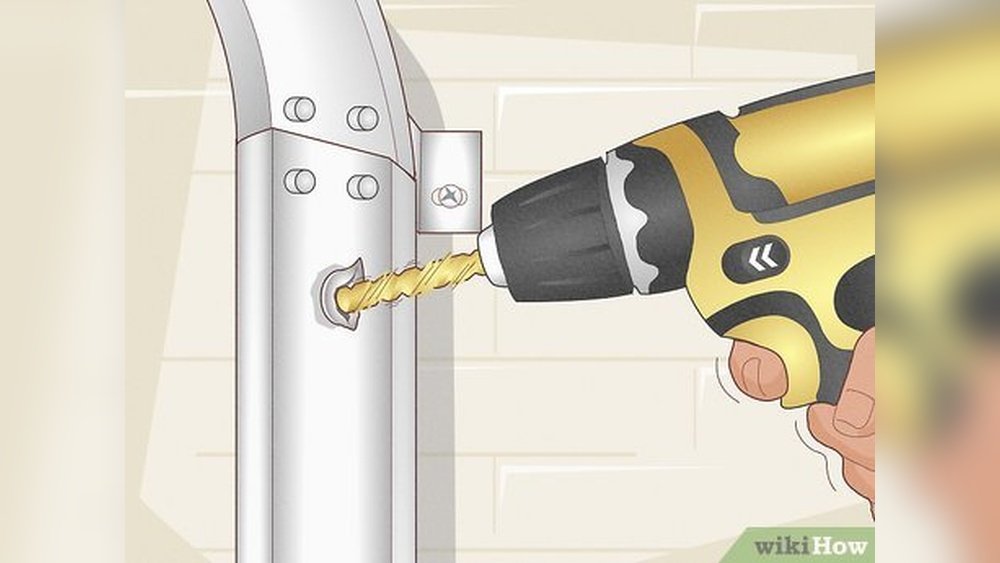
Drilling The Screw Head
Drilling the screw head is a key step to remove a stuck screw without an extractor. This process requires care and precision. A steady hand and the right approach make the task easier. Focus on the screw head only to avoid damage to the surrounding material.
Marking The Center
Find the exact center of the screw head before drilling. Use a pencil or marker to make a small dot. This mark guides the drill bit and prevents slipping. A clear center mark helps keep the drill steady.
Drilling Technique
Choose a drill bit slightly smaller than the screw head. Start drilling at low speed to maintain control. Apply light pressure and keep the drill straight. Drill slowly to avoid overheating or damaging the bit.
Avoiding Damage
Protect the surface around the screw by using a piece of tape. This helps reduce scratches and slipping. Stop drilling once the screw head is removed. Avoid pushing too hard to prevent damage to the material underneath.
Removing The Screw
Removing a stuck screw without an extractor can be tricky. It needs patience and the right tools.
Two simple methods can help you remove the screw carefully. Both ways avoid damaging the material around it.
Using Pliers
Grip the screw head tightly with needle-nose pliers. Make sure the pliers have a firm hold.
Turn the screw slowly in the direction it screws out. Use steady pressure to avoid slipping.
If the screw is loose, the pliers will help pull it out gently. This method works best for screws that stick out.
Twisting Out The Screw
Try to twist the screw with a flathead screwdriver or a similar tool. Fit it into the screw head groove.
Apply steady force to turn the screw counterclockwise. Keep the tool pressed firmly to avoid slipping.
Slow, steady twists can loosen the screw. This approach helps with screws that are not too tight or damaged.
Dealing With Stubborn Screws
Stubborn screws can turn a simple project into a frustrating task. These screws resist turning and can damage your tools or materials. Patience and the right techniques help loosen them without an extractor. Two effective methods are applying heat and using lubricants. Both soften the grip of the screw and make removal easier.
Applying Heat
Heat expands the metal around the screw. This expansion can break the rust or glue holding the screw tight. Use a soldering iron or a heat gun for this job. Place the heat source directly on the screw head for a few minutes. Avoid overheating to protect the surrounding material. After heating, try turning the screw again slowly. The heat often loosens the screw grip significantly.
Using Lubricants
Lubricants reduce friction and help the screw move freely. Spray penetrating oil or apply WD-40 around the screw. Let it sit for 10 to 15 minutes. The oil seeps into the threads, loosening rust and dirt. Use a small brush or cloth to spread the lubricant well. After soaking, use a screwdriver to twist the screw gently. Lubricants make it easier to turn stuck screws without damage.
Tips For Prevention
Drilling out a screw without an extractor can be tough and time-consuming. Preventing stuck or damaged screws saves effort and protects your tools. Simple habits help avoid these problems. Follow these tips to keep screws easy to remove and work smoother.
Proper Screw Installation
Use the right screw for each project. Choose screws made from strong materials to avoid bending or breaking. Always align the screwdriver properly with the screw head. Turn screws slowly and steadily to prevent stripping the head. Avoid over-tightening screws, which can cause damage. Pre-drill holes for hard materials to ease screw insertion. These steps make screws less likely to get stuck later.
Regular Maintenance
Check screws regularly for rust or wear. Apply a small amount of lubricant to screws in metal or outdoor projects. Clean screw heads from dirt and debris before use. Replace damaged screws immediately to avoid bigger problems. Keep tools sharp and in good condition for better grip. Regular care helps screws stay functional and easy to remove in the future.
Credit: www.lowes.com

Credit: www.wikihow.com
Frequently Asked Questions
How Do I Drill Out A Screw Without An Extractor?
To drill out a screw, start with a small drill bit. Drill carefully into the screw’s center. Increase bit size gradually until the screw loosens or breaks free.
What Drill Bit Size Is Best For Removing Screws?
Use a drill bit slightly smaller than the screw shaft. This prevents damage to the surrounding material while effectively removing the screw.
Can I Remove A Stripped Screw By Drilling?
Yes, drilling into a stripped screw can help remove it. Drill slowly and steadily to avoid damaging the workpiece.
How To Avoid Damaging Material When Drilling Out Screws?
Use a center punch to mark the screw’s center. Drill slowly, and use sharp bits to minimize slipping and damage.
Conclusion
Drilling out a screw without an extractor takes patience and care. Use the right drill bit size and steady pressure. Stay safe by wearing protective gear during the process. Take your time to avoid damaging the material around the screw.
This method works well when you don’t have special tools. Practice on old screws to build confidence. Soon, removing stuck screws will feel easier and less stressful. Keep these tips in mind for your next project.
