


Have you ever faced the frustration of a stuck or broken spark plug that just won’t come out? If so, you know how tricky and nerve-wracking this task can be.
But don’t worry—drilling out a spark plug isn’t as impossible as it sounds. In fact, with the right tools and clear steps, you can tackle this problem yourself and save both time and money. Keep reading, and you’ll learn exactly how to drill out a spark plug safely and effectively, even if you’ve never done it before.
Your engine will thank you!

Credit: adrielmichaudblog.wordpress.com
Tools Needed
Drilling out a spark plug needs the right tools. Using proper equipment makes the job easier and safer. It also helps avoid damage to the engine. Prepare all tools before starting the task.
Essential Drill Bits
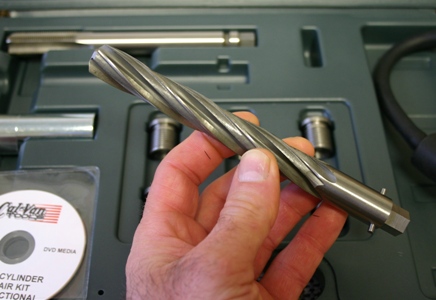
Choose drill bits made for metal work. A cobalt or titanium bit works best. Start with a smaller bit to make a pilot hole. Then use a larger bit to drill out the spark plug. Keep bits sharp for clean drilling.
Safety Gear
Wear safety glasses to protect your eyes from metal chips. Use gloves to keep your hands safe and clean. Hearing protection is good if the drill is loud. A dust mask can stop inhaling small particles.
Additional Tools
Use a center punch to mark the drill spot. A hammer helps to create a small dent for drilling. Have a socket wrench ready to remove spark plug parts. A magnet tool can pick up metal fragments easily.
Preparing The Area
Preparing the area before drilling out a spark plug is important. It helps avoid damage and keeps you safe. Take time to clear the space and get ready. This step makes the whole process easier and faster.
Clearing Debris
Remove any dirt or dust around the spark plug area. Use a brush or compressed air to clean it well. This stops debris from falling into the engine. A clean surface helps you work clearly and safely.
Disconnecting The Battery
Turn off the engine and disconnect the battery. This prevents electric shocks or short circuits. Always remove the negative terminal first. Safety is key before starting any repair work.
Accessing The Spark Plug
Find the spark plug by removing any covers or parts blocking it. Use the right tools to avoid breaking anything. Clear access helps you drill the spark plug correctly. Take your time to work carefully.
Drilling Techniques
Drilling out a spark plug requires careful technique to avoid damage and ensure success. Proper drilling methods make the task easier and safer. This section covers key drilling techniques that help you remove a stuck spark plug.
Choosing The Right Drill Speed
Select a low drill speed for better control and less heat. High speeds can overheat the metal and damage the engine. Use a drill with variable speed settings. Start slow and increase speed only if needed. Low speed also reduces the risk of breaking the drill bit.
Drilling At The Correct Angle
Keep the drill straight and aligned with the spark plug hole. Drilling at an angle can damage the threads inside the cylinder head. Use a guide or steady your hand to maintain the correct position. A straight drill path helps remove the plug cleanly and protects engine parts.
Avoiding Damage To The Engine
Apply light pressure while drilling to avoid slipping or cracking. Use cutting oil to cool the drill bit and reduce friction. Stop often to check progress and clear metal shavings. Avoid pushing too hard to prevent breaking the drill bit inside the spark plug hole. Patience and care protect the engine from costly damage.
Removing The Broken Plug
Removing a broken spark plug can be tricky but necessary for your engine’s health. The broken piece often stays stuck in the cylinder head. Careful removal prevents damage to the engine. This section guides you through safe and effective methods.
Using Extractors
Extractors are tools made to grip and pull out broken plugs. First, clean the area around the broken plug. Insert the extractor into the broken spark plug carefully. Turn the extractor counterclockwise slowly. This motion helps loosen and remove the broken piece. Use steady pressure to avoid breaking the plug further.
Applying Lubricants
Lubricants help loosen rust or dirt around the broken plug. Spray a penetrating oil directly into the spark plug hole. Let the oil sit for 10 to 15 minutes. This softens the rust and dirt, making removal easier. Use lubricants before using extractors for best results.
Handling Stubborn Plugs
Some plugs resist removal due to corrosion or damage. Use a small hammer and punch to tap the extractor gently. This can break loose the stuck plug. Avoid using too much force to prevent damage. Patience and care work better than strength here.
Post-removal Steps
After drilling out a spark plug, the job is not yet done. Proper care of the cylinder head is important. This ensures your engine runs smoothly and avoids future problems. Follow these steps carefully for best results.
Cleaning The Cylinder Head
Remove any metal shavings left from drilling. Use a vacuum or compressed air to clear debris. Clean the spark plug hole with a soft brush. Avoid pushing dirt deeper into the engine. This step keeps the cylinder head clean and safe.
Inspecting For Damage
Check the cylinder head for cracks or warping. Look closely around the spark plug hole. Use a flashlight to see inside clearly. Damaged parts can cause leaks or poor engine performance. Replace or repair any damaged components before proceeding.
Installing A New Spark Plug
Choose the correct spark plug for your engine. Apply a small amount of anti-seize compound on the threads. Screw the spark plug in by hand first. Use a torque wrench to tighten it to the correct setting. This prevents over-tightening and damage.
Credit: blog.denlorstools.com
Common Mistakes To Avoid
Drilling out a spark plug can be tricky. Mistakes cause damage and waste time. Avoiding common errors helps you finish the job safely and quickly. Focus on careful steps and proper tools.
Overheating The Drill Bit
Drill bits get hot fast. Too much heat weakens the bit. It can break or wear out. Use steady, slow pressure. Stop often to let the bit cool. Use cutting oil to reduce heat. Cool bits cut better and last longer.
Forcing The Plug Out
Do not push too hard. Forcing can break the spark plug inside the engine. Broken pieces make removal harder. Use slow, gentle pressure. Let the drill do the work. If stuck, try different drill speeds or angles. Patience prevents damage.
Ignoring Safety Precautions
Safety matters most. Wear safety glasses to protect your eyes. Use gloves to avoid cuts and burns. Work in a well-ventilated area to avoid fumes. Keep your hands clear of moving parts. Follow all safety steps to prevent injuries.
Maintenance Tips
Maintaining spark plugs is key to keeping your engine running well. Proper care helps avoid problems like stuck or broken plugs. Follow these simple tips for longer spark plug life and easier drilling if needed.
Regular Spark Plug Checks
Check your spark plugs every 10,000 miles or as your car manual says. Look for signs of wear, dirt, or damage. Clean or replace plugs to keep the engine efficient. Early checks prevent hard-to-remove plugs later.
Proper Torque Settings
Tighten spark plugs to the exact torque in your manual. Too tight can break the plug or damage threads. Too loose causes poor engine performance. Use a torque wrench for the right fit every time.
Using Quality Spark Plugs
Choose spark plugs made by trusted brands. Cheap plugs wear out fast and cause engine problems. Quality plugs last longer and fit well. They reduce the risk of stuck plugs and make drilling easier if needed.
:max_bytes(150000):strip_icc()/correct20easy20out20to20use-4f9bdcb26a6248fb9f58cb3d0de404af.jpg)
Credit: www.agriculture.com
Frequently Asked Questions
How Do You Safely Drill Out A Spark Plug?
To safely drill out a spark plug, use the correct drill bit size and steady pressure. Avoid damaging the engine threads by drilling slowly. Always wear safety goggles and disconnect the battery before starting the process.
What Tools Are Needed To Drill Out A Spark Plug?
You need a drill, spark plug drill bit, penetrating oil, safety goggles, and a spark plug extractor. A steady hand and proper lighting also help prevent damage to the cylinder head threads.
Can Drilling Out A Spark Plug Damage The Engine?
Yes, improper drilling can damage engine threads or the cylinder head. Use the right tools and techniques to avoid costly repairs. If unsure, consult a professional mechanic for safe removal.
How Long Does It Take To Drill Out A Spark Plug?
Drilling out a spark plug typically takes 20 to 40 minutes. Time depends on your experience and tool quality. Rushing can cause damage, so work patiently and carefully.
Conclusion
Drilling out a spark plug takes patience and the right tools. Follow each step carefully to avoid damage. Take your time and work slowly to stay safe. A steady hand helps prevent mistakes. After drilling, clean the area well before installing a new plug.
This process saves time and money on repairs. Practice makes this task easier with experience. Keep your engine running smoothly by handling spark plugs properly. Stay confident and ready for any car maintenance challenge.
