


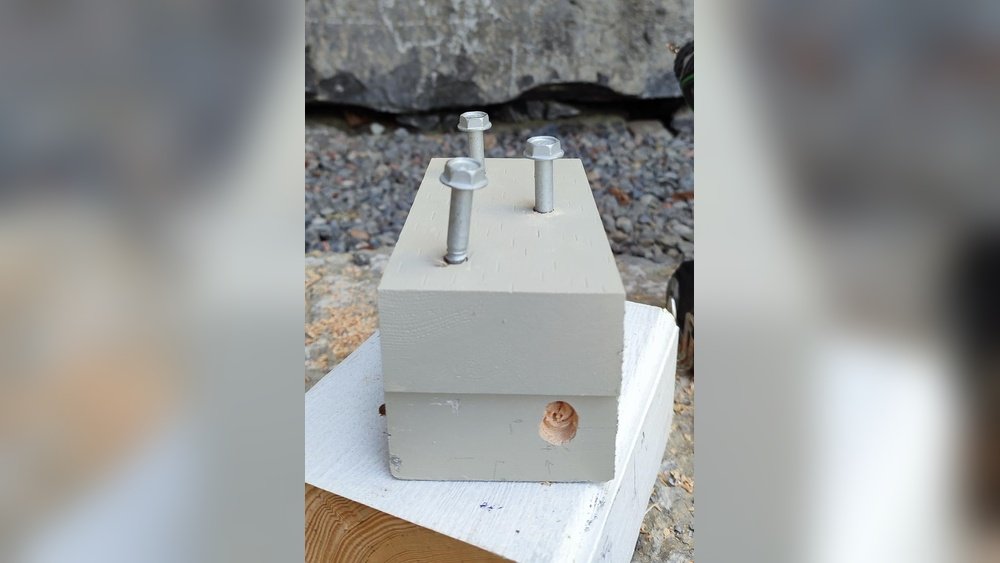
Are you tired of ending up with crooked holes when you drill? Drilling a straight hole might seem simple, but even small mistakes can ruin your project.
Imagine how much easier your work would be if every hole you drilled was perfectly straight the first time. You’ll discover easy tips and tricks to help you drill straight holes confidently and accurately. Keep reading, and you’ll soon master a skill that saves time, frustration, and materials.
Your next project will thank you!
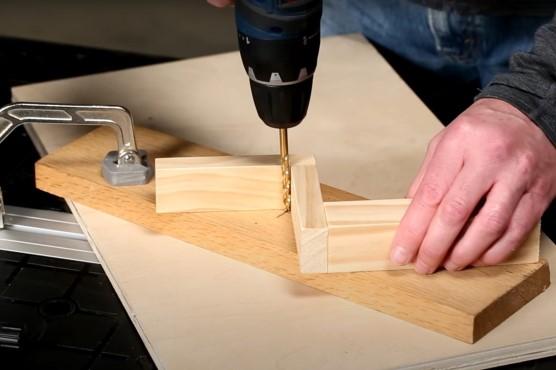
Credit: learn.kregtool.com
Choosing The Right Drill And Bit
Choosing the right drill and bit is key to drilling straight holes. Using the correct tools helps keep your work clean and precise. It also prevents damage to your material and your tools. Understanding different drill types and bits improves your drilling accuracy.
Types Of Drills For Accuracy
Cordless drills offer good control and ease of use. They are light and easy to handle, which helps drill straight holes. Drill presses provide the best accuracy. They hold the drill steady and guide it straight down. Hand drills are less precise but useful for small tasks.
Selecting The Correct Drill Bit
Choose drill bits based on the hole size you need. Twist bits are common and work well for many materials. Brad point bits are perfect for wood; they prevent slipping. For metal, use cobalt or titanium bits for better durability and sharpness.
Materials And Drill Bit Compatibility
Match your drill bit to the material you drill. Wood bits have sharp points to start holes easily. Metal bits are harder and resist heat from drilling. Masonry bits have carbide tips to cut through brick or concrete. Using the right bit protects your tools and material.
Preparing The Work Surface
Preparing the work surface is a key step to drill a straight hole. A clean and stable surface helps keep the drill steady. It reduces mistakes and improves accuracy.
Taking time to prepare the material and tools makes drilling easier. It also protects the workpiece from damage.
Marking The Drill Spot
Start by marking the exact spot to drill. Use a pencil or marker for clear visibility. Make a small dot or cross at the desired point.
This mark guides the drill bit to the right position. It prevents slipping and wrong drilling.
Clamping And Stabilizing The Material
Secure the material with clamps or a vise. Keep it from moving during drilling. Movement can cause crooked holes and accidents.
Check that the surface is level and firm. A stable base improves control and hole precision.
Using A Center Punch For Precision
Use a center punch to create a small indentation on the mark. Tap it lightly with a hammer to make a dent.
This dent holds the drill bit in place. It stops the bit from wandering at the start. The punch increases drilling accuracy, especially on smooth surfaces.
Setting Up For A Straight Hole
Setting up correctly is the first step to drilling a straight hole. You need to prepare your drill and workspace before you start. Small changes in setup can make a big difference in the hole’s accuracy. Pay attention to speed, guides, and your body position. These factors help keep the drill steady and straight.
Proper setup saves time and prevents mistakes. It also protects your materials and tools. Follow these simple tips to improve your drilling results.
Adjusting Drill Speed And Torque
Choose the right speed for your material. Hard materials need slower speeds to avoid damage. Softer materials work well with faster speeds. Adjust the torque to control drill force. High torque can push the drill off course. Low torque helps keep the drill steady. Check your drill’s settings before starting.
Using Drill Guides And Jigs
Drill guides help keep your drill straight. They hold the drill steady and prevent wobbling. Jigs are custom tools that fit your project. Use them to mark exact spots and angles. Both guides and jigs improve precision. They reduce the chance of mistakes. Consider using a guide for every hole.
Positioning Your Body And Drill
Stand directly behind the drill. Your body should be balanced and stable. Hold the drill with both hands for control. Keep your arms close to your body. Align the drill bit with the hole mark. Look straight down the drill bit. This position helps you drill straight holes easily.

Credit: www.youtube.com
Drilling Techniques For Accuracy
Drilling a straight hole takes focus and good technique. Small mistakes can cause the drill bit to slip or tilt. Using the right methods keeps the hole accurate and clean. This section explains key drilling techniques for accuracy.
Each step helps you control the drill better. Follow these tips to improve your drilling skills and get straight holes every time.
Starting The Hole Slowly
Begin drilling at a low speed. This helps the bit grip the surface without slipping. Press lightly to avoid moving the drill off target. A slow start sets a solid path for the hole.
Maintaining Steady Pressure
Push the drill with even pressure. Too much force can bend the bit or cause wobbling. Too little pressure slows progress and wastes time. Steady pressure keeps the drill straight and the hole clean.
Avoiding Drill Wandering
Hold the drill firmly and keep it perpendicular to the surface. Use a guide or clamp if needed to stop movement. Watch the drill bit closely as you work. Avoid letting it shift to keep the hole straight.
Advanced Tips And Tools
Drilling a straight hole requires more than just a steady hand. Advanced tools and techniques help improve accuracy and consistency. These methods save time and reduce errors, especially for detailed work. Below are some helpful tips and tools to achieve perfect holes every time.
Using A Drill Press For Perfect Alignment
A drill press keeps the drill bit steady and aligned. It prevents the bit from slipping or moving sideways. This tool allows precise control over speed and pressure. It is ideal for repetitive tasks needing exact holes. Using a drill press ensures each hole is straight and consistent.
Employing Laser Guides
Laser guides project a straight line on the work surface. This visual aid helps position the drill bit exactly. It shows where the hole will start and its angle. Laser guides are easy to set up and use. They improve drilling accuracy without guesswork.
Checking Hole Depth And Straightness
Measuring hole depth prevents drilling too deep or too shallow. Use a depth gauge or tape measure for accuracy. Check straightness by inserting a straight rod or drill bit. Rotate the rod gently to see if the hole is even. Correcting mistakes early saves time and material.

Credit: www.youtube.com
Troubleshooting Common Issues
Drilling straight holes can be tricky. Many face common problems that affect the quality of their work. These issues can cause angled holes, bit slippage, or damage to the material. Knowing how to fix these problems helps create clean, precise holes every time.
Correcting Angled Or Off-center Holes
Angled holes happen when the drill is not held steady. Use a guide or clamp the material to keep it still. Check the drill’s angle before starting. Slow down the drill speed to improve control. If a hole starts off-center, mark the spot clearly. Reposition the drill carefully and try again. Patience is key to getting the hole right.
Dealing With Bit Slippage
Bit slippage happens when the drill bit moves on the surface. Start by making a small indent with a nail or center punch. This helps the bit grip the material better. Use sharp drill bits to reduce slipping. Hold the drill firmly and apply steady pressure. Avoid pushing too hard, as this can cause the bit to slip.
Preventing Material Damage
Material damage occurs from too much force or the wrong drill bit. Choose the correct bit for the material type. Drill at a slow speed to reduce heat and splintering. Use tape on wood surfaces to protect edges. Stop drilling if you see cracks or chips. Let the drill bit cool to avoid burning the material.
Frequently Asked Questions
How Do I Ensure A Drill Bit Stays Straight?
Use a drill guide or jig to keep the bit aligned. Mark the spot clearly and start drilling slowly. Maintain steady pressure and check alignment frequently for accuracy.
What Tools Help Drill Straight Holes Easily?
A drill press, drill guide, or angle guide helps maintain straight holes. These tools stabilize the drill and prevent wobbling, improving precision and consistency.
Can I Drill Straight Holes Without Professional Tools?
Yes, by using a simple block with a guide hole or a ruler for alignment. Start slow and check your angle regularly to keep the hole straight.
Why Do Holes Often Go Crooked When Drilling?
Crooked holes usually result from poor alignment, uneven pressure, or a dull bit. Ensure your bit is sharp and maintain steady, perpendicular pressure during drilling.
Conclusion
Drilling a straight hole takes practice and patience. Use the right tools and steady your hand. Mark your spot clearly before you start. Keep the drill bit perpendicular to the surface. Take your time and check your progress often. Small adjustments help keep the hole straight.
With these tips, your holes will be more accurate. Practice regularly to improve your drilling skills. Straight holes make your projects look neat and professional. Simple steps lead to better results every time.
