


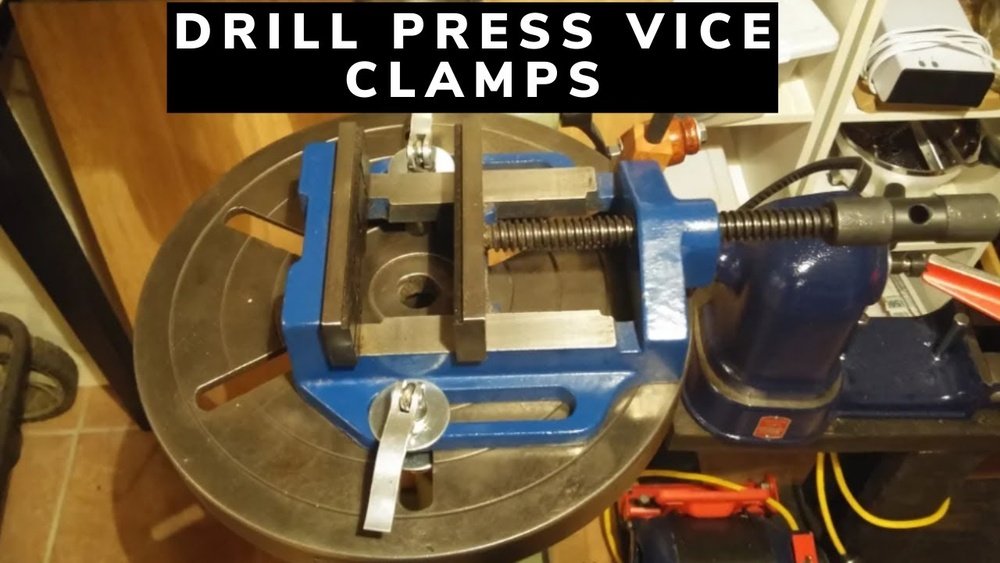
If you want to work smarter and safer with your drill press, fitting a drill press vice is the key. A good vice holds your workpiece steady, so you get precise, clean holes every time.
But how do you fit it correctly? You might think it’s tricky or time-consuming, but with the right steps, you can do it quickly and confidently. Keep reading, and you’ll learn exactly how to fit your drill press vice like a pro—no guesswork, no frustration.
By the end, you’ll be ready to tackle your projects with greater accuracy and ease.
Choosing The Right Drill Press Vice
Choosing the right drill press vice makes your work easier and safer. The right vice holds your material firmly. It stops movement during drilling. This improves accuracy and prevents damage. Picking a suitable vice depends on several factors. These include type, material, size, and capacity. Understanding these helps you select the best fit for your needs.
Types Of Drill Press Vices
There are different types of drill press vices. A fixed vice has a stationary jaw. It is simple and strong. A swivel vice can rotate. This allows better positioning of your workpiece. A quick-release vice opens and closes fast. It saves time during repetitive tasks. Choose a type that suits your work style.
Materials And Build Quality
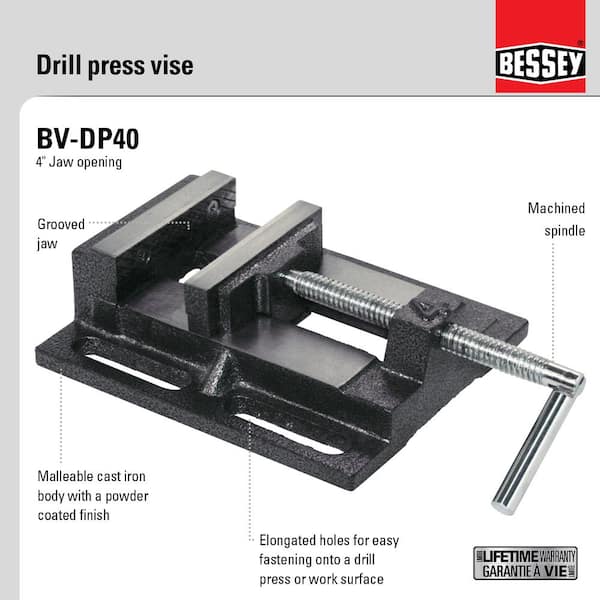
Most drill press vices are made from steel or cast iron. Cast iron is heavy and stable. It reduces vibrations during drilling. Steel vices are tough and resist wear. Look for a vice with smooth jaws. Hardened steel jaws last longer and hold better. Good build quality means the vice will last long.
Size And Capacity Considerations
Size matters for drill press vices. Small vices fit light, small jobs. Large vices handle bigger, heavier materials. Check the jaw width and opening capacity. Make sure the vice fits your drill press table. Match the vice size with the size of your workpieces. This ensures proper hold and safety.

Credit: www.youtube.com
Preparing Your Drill Press
Preparing your drill press is a key step before fitting a drill press vice. A clean and level surface ensures better accuracy and safety. Taking time to prepare helps your work go smoothly and prevents mistakes. Follow these simple steps to get your drill press ready.
Cleaning The Drill Table
Start by removing dust, oil, and metal shavings. Use a clean cloth and mild cleaner. Avoid harsh chemicals that can damage the table. A clean surface allows the vice to sit firmly. It also helps prevent slipping during drilling.
Removing Existing Fixtures
Check for any clamps, stops, or vices already on the table. Remove all items that may block the new vice. Use the right tools to avoid damaging the table. Clearing the workspace gives you enough room to fit the vice properly.
Checking Alignment And Level
Place a spirit level on the drill table. Ensure the table is flat and not tilted. Adjust the table height or supports if needed. Proper alignment keeps your drill bits straight. It also improves the quality of your work.
Positioning The Vice
Positioning the drill press vice correctly is important for safe and accurate drilling. The vice must hold the workpiece firmly and line up with the drill bit. Proper positioning reduces mistakes and keeps your project precise. Follow these steps to set your vice in the right place.
Finding The Center Point
Start by locating the center point on your workpiece. Mark this spot clearly using a pencil or a center punch. This mark shows where the drill bit will touch the material. Aligning the vice with this point helps keep the drill steady and accurate.
Aligning With The Drill Bit
Place the vice on the drill press table near the center mark. Lower the drill bit carefully until it almost touches the workpiece. Check if the bit lines up exactly with your center point. Adjust the vice by moving it left, right, forward, or backward until the bit matches the mark perfectly.
Securing The Vice Placement
Once the vice is in the correct position, lock it firmly in place. Use the table clamps or bolts to secure the vice. Tighten everything so the vice cannot move during drilling. Double-check the alignment before you start drilling. A steady vice gives you clean, precise holes every time.
Mounting The Vice
Mounting the drill press vice correctly is key for safe and precise work. A vice must stay firm during drilling to avoid accidents and errors. This process takes some care and attention but is easy to do with the right steps. Follow this guide to mount your vice securely on the drill press table.
Choosing The Right Bolts And Clamps
Select bolts that fit the vice holes perfectly. Too small or too large bolts cause looseness or damage. Use bolts made from strong steel to hold tight under pressure. Clamps help keep the vice steady on the table. Pick clamps that match the table thickness and vice size. The right bolts and clamps ensure the vice will stay fixed during use.
Attaching The Vice To The Table
Place the vice on the drill press table where you want it. Align the holes on the vice base with the holes on the table. Insert the bolts through these holes carefully. Use washers under the bolt heads to spread the force. Tighten the bolts just enough to hold the vice but still allow small adjustments. Position the clamps to grip the table edge firmly and secure the vice.
Ensuring Stability And Tightness
Check that the vice does not move or wobble. Tighten all bolts and clamps firmly but avoid over-tightening. Over-tightening can strip threads or damage the table. Test the vice by applying force to the jaws. It should not shift or loosen. A stable and tight vice improves drilling accuracy and safety.
Adjusting And Testing
Adjusting and testing the drill press vice is crucial for safe and precise work. Proper adjustment ensures the vice holds materials firmly. Testing confirms the vice is correctly aligned and stable. Follow these steps to make sure your vice works perfectly.
Checking For Movement
Start by tightening the vice securely on the drill press table. Try to move the vice by hand. If it shifts or wiggles, it needs better tightening. Use the mounting bolts to fix it firmly. No movement means the vice is stable.
Fine-tuning Alignment
Check if the vice jaws line up with the drill bit. Use a square or ruler for accuracy. Adjust the vice position slightly if needed. Make small changes and re-tighten the bolts. Proper alignment helps drill holes straight and accurate.
Performing Test Drills
Place a scrap piece of wood or metal in the vice. Drill a few test holes to check stability and alignment. Look for any movement or uneven drilling. If the drill bit wanders, adjust the vice again. Test drills confirm your setup is ready for work.
Credit: www.homedepot.com
Maintenance Tips
Proper maintenance keeps your drill press vice working well. It helps avoid problems and extends the tool’s life. Following simple steps will ensure smooth operation and safety.
Cleaning And Lubricating
Remove dust and metal shavings after each use. Use a brush or cloth for cleaning. Apply light machine oil to moving parts. This prevents rust and keeps the vice sliding easily. Avoid using heavy grease, which can attract dirt.
Regular Inspection
Check the vice for wear and damage often. Look for cracks, bent parts, or loose screws. Tighten any loose bolts with the right tools. Replace worn jaws to keep a strong grip. Early checks stop bigger problems later.
Storage Recommendations
Store the vice in a dry place to prevent rust. Cover it with a cloth or plastic when not used. Avoid damp or dusty environments. Keep the vice away from direct sunlight to protect metal and plastic parts.
Credit: www.ajaytools.com
Frequently Asked Questions
How Do I Attach A Drill Press Vice Correctly?
To attach a drill press vice, align its base with the drill press table slots. Use bolts and nuts to secure it tightly. Ensure the vice is stable and parallel to the drill bit for accurate drilling. Tightening the bolts firmly prevents movement during operation.
What Tools Are Needed To Fit A Drill Press Vice?
You need a wrench or socket set, bolts, nuts, and washers to fit a drill press vice. Additionally, a measuring tape helps align the vice accurately. Having a spirit level ensures the vice is perfectly horizontal for precise drilling tasks.
Can I Install A Drill Press Vice On Any Table?
Most drill press vices fit standard drill press tables with T-slots. Check your drill press table for compatible slots before installing. If your table lacks T-slots, consider using a clamping method or a drill press vice with a magnetic base.
How Do I Align The Vice With The Drill Bit?
Align the vice jaws parallel to the drill bit by adjusting its position on the table. Use a square or ruler to check alignment. Proper alignment ensures accurate drilling and prevents damage to the workpiece or drill bit.
Conclusion
Fitting a drill press vice is simple with the right steps. Secure the vice tightly to avoid movement during work. Align it properly for precise drilling every time. Regular checks keep your setup safe and accurate. Taking time to fit the vice well saves effort later.
Practice these tips to improve your workshop skills. A well-fitted vice makes drilling easier and safer. Keep your tools ready and enjoy better results.
