


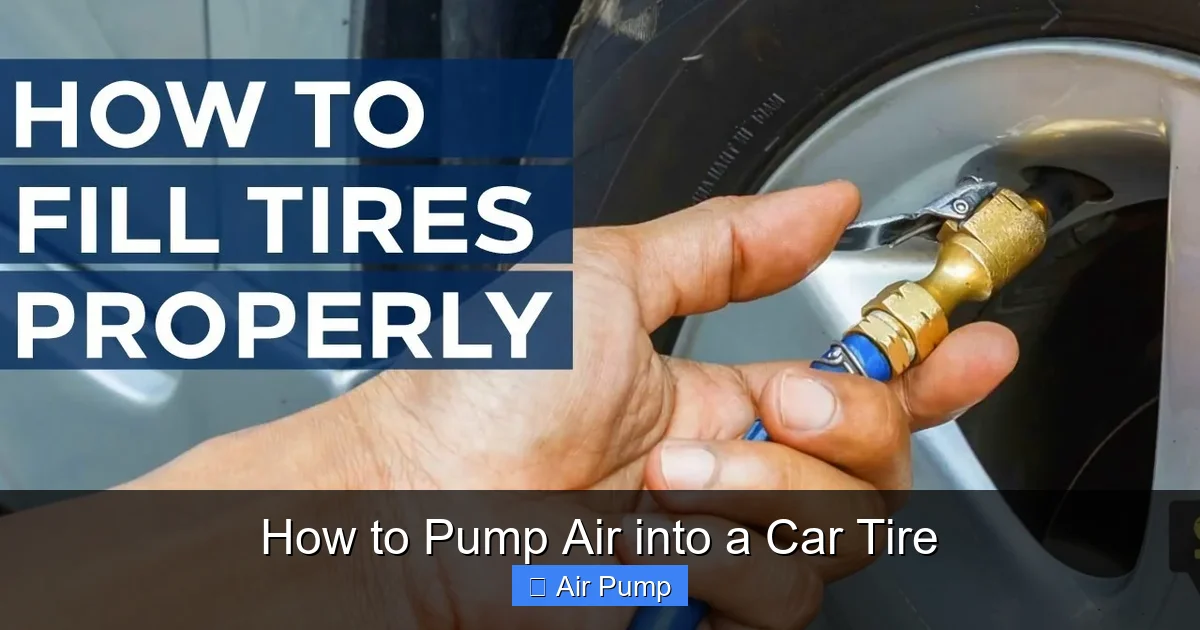
Knowing how to pump air into a car tire is essential for maintaining safe driving conditions. This guide walks you through each step, from choosing the right pump to checking tire pressure, ensuring your tires are properly inflated for optimal performance and safety.
Key Takeaways
- Choose the right air pump: Use an air compressor or a portable pump suitable for car tires.
- Check tire pressure: Always verify the recommended PSI for your vehicle before pumping.
- Prepare the pump: Ensure the pump is plugged in or filled with power, and attach the hose securely.
- Attach the nozzle properly: Make sure the pump nozzle fits tightly onto the valve stem to prevent leaks.
- Inflate gradually: Add air in small bursts, periodically checking the pressure.
- Check pressure after inflating: Use a tire pressure gauge for an accurate reading.
- Safety tips: Avoid over-inflation and handle equipment carefully to prevent accidents.
How to Pump Air into a Car Tire
Maintaining proper tire pressure is crucial for your vehicle’s safety, fuel efficiency, and tire longevity. Whether you’re a new driver or just need a quick refresher, this guide will teach you how to pump air into a car tire safely and effectively. We’ll cover everything from selecting the right equipment to checking your tire pressure accurately.
1. Gather the Necessary Equipment
Choose the Right Air Pump
There are several options for inflating your car tires:
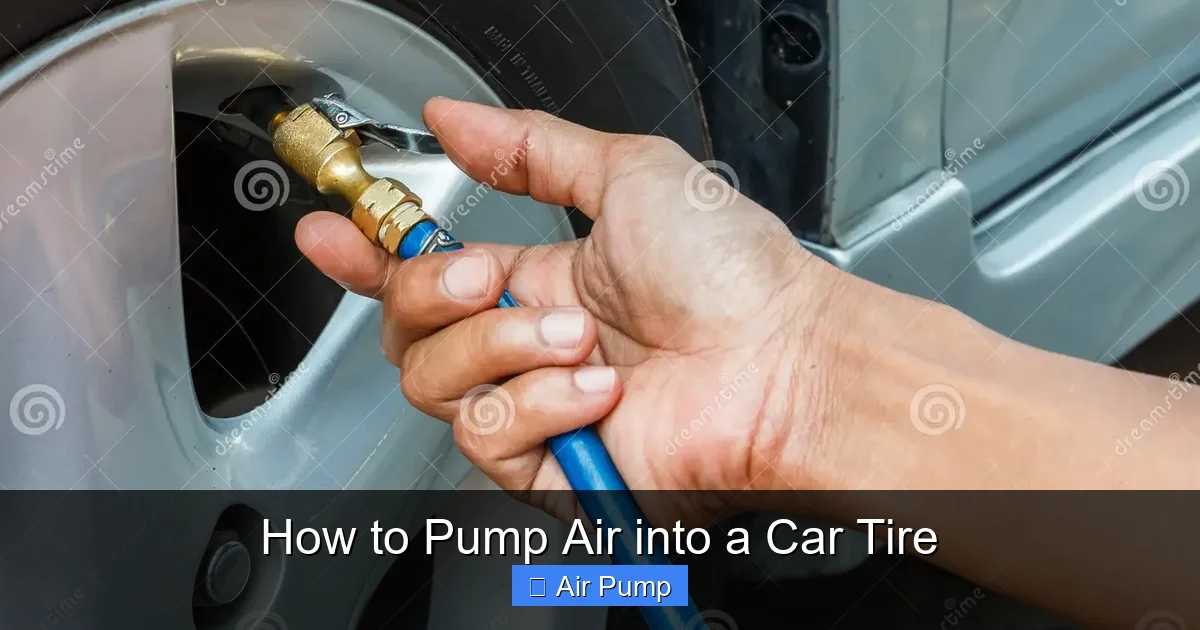
Visual guide about How to Pump Air into a Car Tire
Image source: thumbs.dreamstime.com
- Portable Electric Air Pump: Compact, easy to use, and ideal for home or roadside use. Many models have built-in pressure gauges.
- Gas Station Air Compressor: Usually available at most fueling stations. They are powerful but may lack a built-in pressure gauge.
- Manual Hand Pump: Suitable for emergencies, but requires effort and is less precise.
For most drivers, a portable electric pump with a built-in gauge is the best choice for convenience and accuracy.
Gather the Accessories
- Tire pressure gauge: To verify the pressure after inflating.
- Valve stem caps: To protect the valve when not in use.
- Extension hose (optional): Useful if your pump hose is short or difficult to reach.
2. Check the Recommended Tire Pressure
Locate the Tire Pressure Label
Before inflating, find the recommended PSI (pounds per square inch) for your tires. This information is usually on:

Visual guide about How to Pump Air into a Car Tire
Image source: wikihow.com
- The driver’s side door frame
- The glove compartment
- Owner’s manual
Understand the Proper PSI
Most passenger cars require between 30-35 PSI. Over-inflating or under-inflating can affect handling, fuel efficiency, and tire wear.
3. Prepare Your Vehicle and Equipment
Park on a Flat Surface
Find a level, safe spot to park your vehicle. Turn off the engine and engage the parking brake.
Remove Valve Stem Caps
Unscrew the small cap on the valve stem (the small rubber or metal part on your tire). Keep it in your pocket to prevent losing it.
Inspect the Tire
Check for any visible damage or embedded objects. If you notice a puncture or leak, address it before inflating.
4. Attach the Air Pump to the Tire
Connect the Nozzle
Place the pump nozzle onto the valve stem, ensuring it fits snugly. Most nozzles have a lever or screw mechanism to lock in place.
Secure the Connection
Make sure the nozzle is tightly attached to prevent air leaks during inflation. If your pump has a locking mechanism, engage it.
5. Pump the Tire
Start the Pump
Turn on the air pump. For battery-operated models, press the power button. For gas station pumps, set the pressure if possible.
Inflate Gradually
Allow the pump to add air in short bursts. Periodically check the pressure with your gauge to avoid over-inflation.
Monitor Tire Pressure
Keep an eye on the pressure gauge. Stop inflating once you reach the recommended PSI.
6. Check the Tire Pressure
Use a Tire Pressure Gauge
Detach the pump nozzle carefully, then press the gauge onto the valve stem. Press firmly to get an accurate reading.
Compare with Recommended PSI
If the pressure is too low, add more air. If over-inflated, release some air by pressing the valve stem pin with the gauge or a small tool.
7. Final Steps and Safety Tips
- Replace the valve caps: Screw the caps back onto the valve stem to protect from dirt and debris.
- Check all tires: Repeat the process for each tire, including the spare.
- Drive cautiously: After inflating, drive a short distance and recheck the pressure if needed.
- Regular maintenance: Check your tire pressure at least once a month and before long trips.
Troubleshooting Common Issues
- Pump not turning on: Check power source, connections, or replace batteries if portable.
- Air leaks during inflation: Ensure nozzle is secure and valve stem is functioning properly.
- Inconsistent pressure readings: Use a reliable gauge and check for leaks around the valve stem.
- Over-inflation: Release air slowly and check pressure frequently.
Conclusion
Inflating your car tires correctly is simple once you know the steps. By choosing the right equipment, checking the recommended PSI, and monitoring pressure carefully, you ensure your vehicle remains safe and efficient. Regular tire maintenance not only prolongs tire life but also keeps you safe on the road. Remember, always handle air pumps with care and follow safety guidelines for best results.
Additional Tips
- Carry a portable air pump: For emergencies during trips or roadside stops.
- Use a quality tire pressure gauge: For accurate readings every time.
- Stay informed: Regularly check your vehicle’s manual for specific tire inflation recommendations.
