


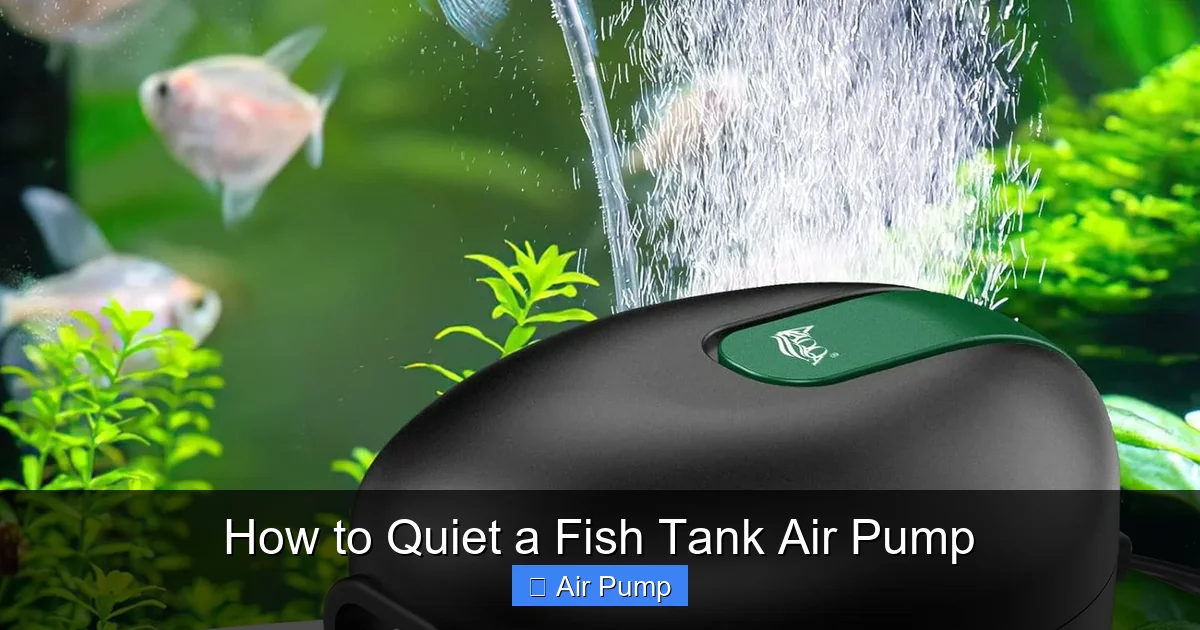
A noisy fish tank air pump can disturb your peace and your fish. In this guide, you’ll find simple, practical ways to make your air pump quieter. From adjusting placement to upgrading components, learn how to create a more tranquil aquarium setting with ease.
Key Takeaways
- Proper placement: Positioning your air pump correctly can significantly reduce noise levels.
- Use vibration dampers: Rubber pads and mounts absorb vibrations and prevent sound transmission.
- Upgrade to a quieter model: Investing in a low-noise air pump can make a big difference.
- Regular maintenance: Cleaning and checking for wear helps keep your pump quiet.
- Soundproofing techniques: Enclosing or isolating the pump minimizes noise in your space.
- Adjust airflow settings: Managing the airflow can reduce strain and noise from the pump.
Introduction
If you keep a fish tank, you might notice that your air pump creates a constant, humming noise. While some background noise is normal, excessive sound can be annoying and disturb your peace. Fortunately, there are many simple ways to quiet a fish tank air pump. In this guide, we’ll walk you through practical steps to reduce noise, improve your aquarium environment, and enjoy a peaceful home or office space.
Understanding Why Your Fish Tank Air Pump Is Noisy
Before diving into solutions, it helps to understand why air pumps make noise in the first place. Common causes include:
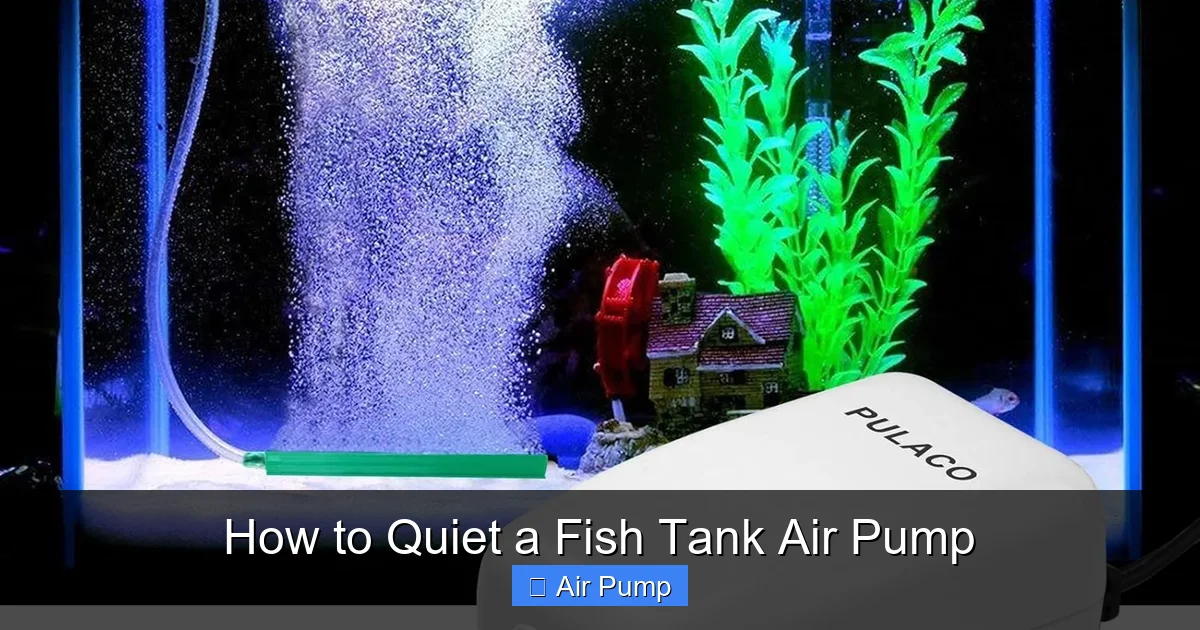
Visual guide about How to Quiet a Fish Tank Air Pump
Image source: m.media-amazon.com
- Vibrations: The motor and diaphragm vibrate during operation, transmitting sound through surfaces.
- Placement: Sitting directly on a hard surface amplifies vibrations.
- Model and design: Some air pumps are inherently louder due to their build quality or size.
- Wear and tear: Old or poorly maintained pumps may produce more noise.
Knowing these causes helps you choose the best solutions to quiet your air pump effectively.
Step-by-Step Guide to Quiet a Fish Tank Air Pump
Step 1: Choose the Right Location
The placement of your air pump plays a crucial role in noise reduction. Here’s how to do it:
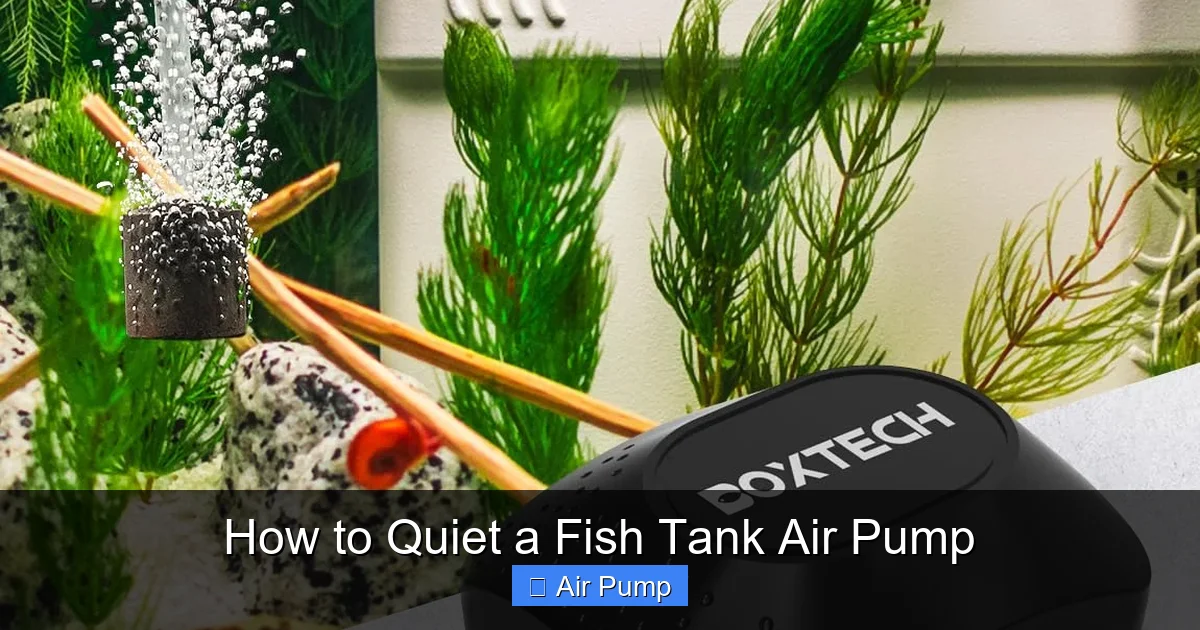
Visual guide about How to Quiet a Fish Tank Air Pump
Image source: images-na.ssl-images-amazon.com
- Elevate the pump: Place it on a stable, elevated surface like a stand or shelf. This helps prevent vibrations from transmitting directly to your furniture.
- Avoid hard surfaces: Keep the pump off hard surfaces like glass or wood directly beneath it, as these amplify vibrations.
- Use vibration-absorbing pads: Place rubber or foam pads under the pump to dampen vibrations.
Practical tip: Use a small piece of foam or a rubber mat designed for appliances. These are inexpensive and highly effective.
Step 2: Implement Vibration Dampening Methods
Vibrations are a major source of noise. To minimize them:
- Rubber mounts or pads: Attach rubber or silicone mounts to the bottom of the pump.
- Isolation boxes: Place the pump inside a soundproof box or enclosure lined with foam or insulation.
- Secure the tubing: Keep airline tubing tight and properly connected to avoid rattling.
Example: You can repurpose small plastic containers with foam lining or buy dedicated soundproof enclosures for aquarium equipment.
Step 3: Upgrade to a Quieter Air Pump Model
If your current pump remains loud despite adjustments, consider upgrading:
- Look for low-noise models: Some pumps are specifically designed to operate quietly. Check reviews and specifications for decibel ratings.
- Choose appropriately sized pumps: A pump that’s too powerful for your tank may produce unnecessary noise. Match the pump size to your aquarium needs.
Tip: Brands like Tetra, Eheim, and Penguin offer quieter models. Read customer reviews to find the quietest options.
Step 4: Regular Maintenance and Cleaning
Dirty or clogged pumps tend to produce more noise:
- Clean the pump regularly: Follow the manufacturer’s instructions to remove debris and buildup.
- Check for wear: Replace worn-out diaphragms or parts that may cause imbalance and noise.
- Lubricate moving parts: Use recommended lubricants to keep the pump running smoothly.
Consistent maintenance ensures your pump operates quietly and efficiently.
Step 5: Soundproofing Your Aquarium Setup
Additional soundproofing techniques include:
- Enclose the pump: Use a soundproof box or cabinet lined with acoustic foam.
- Use plants and decorations: Strategically placed plants, rocks, or ornaments absorb sound and vibrations.
- Separate the pump from your living space: Place it in a closet or basement if possible.
Note: Ensure the enclosure has proper ventilation to prevent overheating.
Step 6: Adjust Airflow and Pressure Settings
Sometimes, reducing the airflow can make the pump quieter:
- Use adjustable regulators: Install an air flow regulator or valve to control airflow rate.
- Reduce airflow: Lowering the air volume decreases strain on the pump and noise.
- Monitor fish health: Ensure that airflow remains sufficient for your aquarium’s needs.
Balancing noise reduction with adequate aeration is key to a healthy tank.
Additional Tips and Practical Examples
- Use soft tubing: Flexible, thicker airline tubing reduces rattling and absorbs vibrations better than thin, stiff tubing.
- Apply damping tape: Wrap the pump with sound-absorbing tape or foam for extra noise reduction.
- Routine inspection: Regularly check your setup for loose fittings or wear that could increase noise.
Troubleshooting Common Issues
- Persistent loud noise: Try repositioning the pump, adding damping pads, or upgrading to a quieter model.
- Vibrations transmitted through furniture: Use thicker pads or move the setup to a different location.
- Airflow problems after adjustments: Ensure that airflow is still sufficient for your tank; reduce gradually to avoid stress on the fish.
Conclusion
Quieting a fish tank air pump doesn’t have to be complicated or expensive. By paying attention to placement, using vibration dampers, maintaining your equipment, and considering upgrades, you can enjoy a peaceful aquarium environment. Remember, a quieter pump benefits both your peace of mind and your aquatic friends. Start with simple steps and progress to more advanced solutions if needed. With a little effort, your fish tank can be both healthy and serene.
Additional Resources
- Check reviews for low-noise air pumps on popular aquarium supply sites.
- Read manufacturer instructions for proper maintenance and safety tips.
- Join online aquarium forums for tips from experienced hobbyists.
