


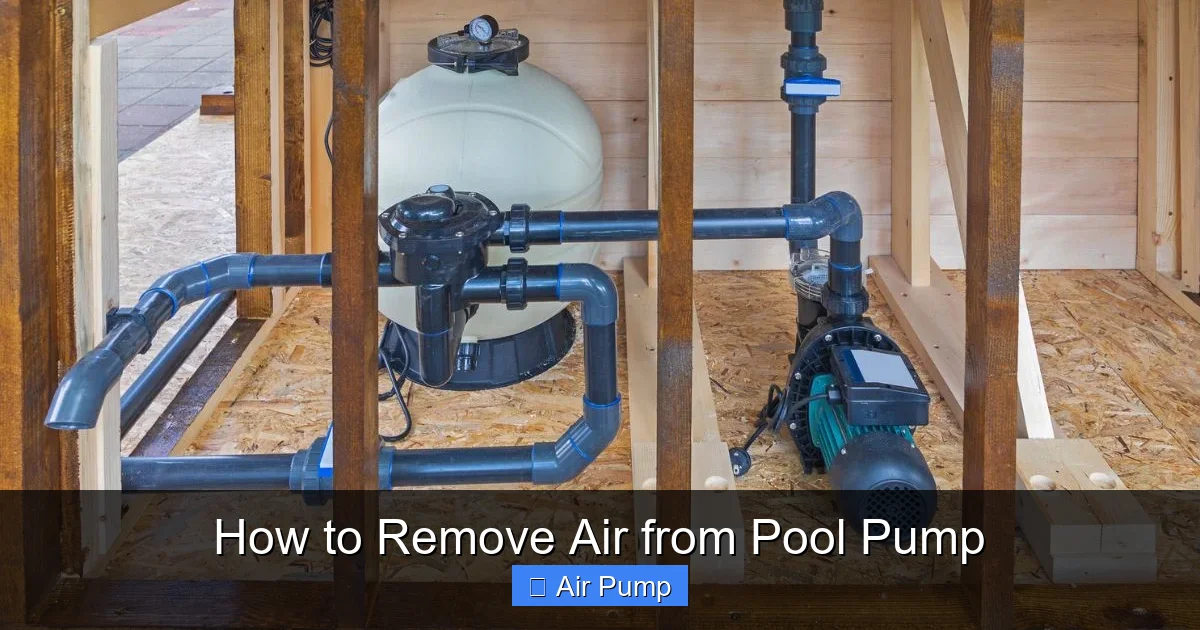
If your pool pump is making strange noises or losing suction, there might be air trapped inside. In this guide, you’ll learn how to remove air from your pool pump quickly and safely. Follow these simple steps to restore optimal pump performance and enjoy a crystal-clear swimming pool.
How to Remove Air from Pool Pump
Having trouble with your pool pump? Is it making strange noises or losing suction? These issues often arise from trapped air inside the pump system. Air can cause poor water flow, cloudy water, and even damage your equipment if not addressed promptly.
Luckily, removing air from your pool pump is straightforward. In this comprehensive guide, we’ll walk you through every step to get your pump running smoothly again. Whether you’re a newbie or experienced pool owner, these tips will help you troubleshoot and eliminate airlocks effectively.
Key Takeaways
- Identify the signs: Air in the pump causes noise, reduced flow, and cloudy water.
- Turn off the pump: Always shut off your pool pump before attempting to remove air.
- Check the skimmer and pump lid: Loose or cracked lids can let air in; tighten or replace if needed.
- Prime the pump: Fill the pump basket with water to eliminate air pockets.
- Open air bleed valves: Use the air relief valve to release trapped air.
- Monitor and repeat: Run the pump to see if the air is gone; repeat steps if necessary.
- Regular maintenance: Prevent air buildup by inspecting components routinely.
Understanding Why Air Gets Trapped in Your Pool Pump
Before jumping into the steps, it’s helpful to understand why air gets into your pump in the first place. Common causes include:
- Loose or cracked pump lids or fittings
- Low water levels in the pool or skimmer
- Air leaks in the suction line
- Clogged or dirty filters
- Power outages or pump priming issues
Addressing these causes prevents future air buildup and keeps your pool system running smoothly.
Tools and Materials Needed
- Pool pump and filter system
- Replacement O-rings or gaskets (if needed)
- Garden hose or bucket of water
- Screwdriver (if needed to open pump)
- Pool skimmer net (optional, for debris removal)
- Gloves and safety glasses (optional for safety)
Step 1: Turn Off the Pool Pump
Why it’s important
Always turn off your pool pump before working on it. This prevents injury and avoids causing further air lock issues.
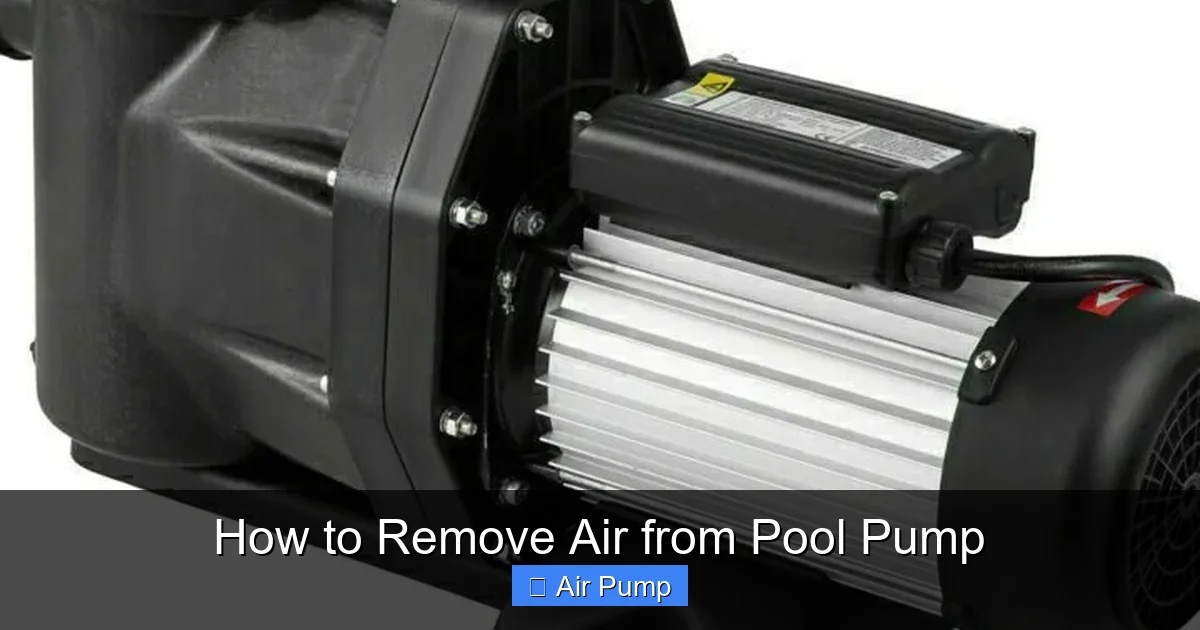
Visual guide about How to Remove Air from Pool Pump
Image source: yourgardenshed.co.uk
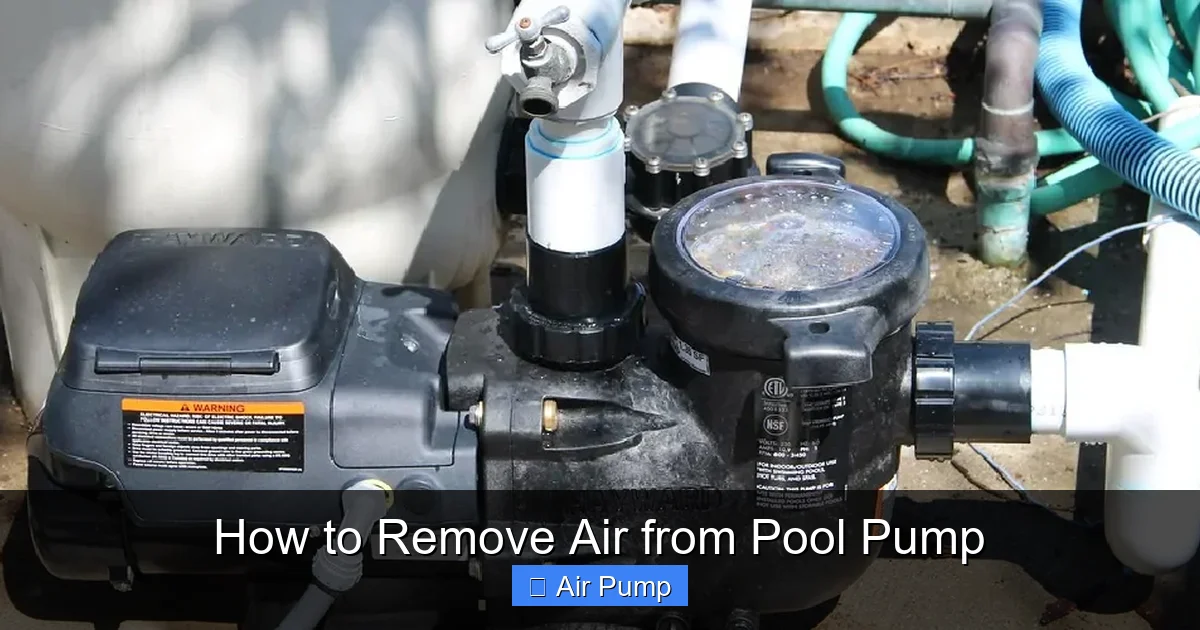
Visual guide about How to Remove Air from Pool Pump
Image source: theplumbero.com
How to do it
- Locate your pool’s power switch or circuit breaker.
- Switch off the pump and disconnect it from power.
- Wait for a few minutes to ensure the system is completely shut down.
Step 2: Check and Tighten the Pump Lid
Inspect the lid and gasket
Loose or damaged lids are common entry points for air. Examine the pump lid and gasket for cracks or wear.
Tighten or replace
- Use your hands or a screwdriver to tighten the lid securely.
- If the gasket is cracked or deformed, replace it with a new one.
- Ensure the lid is seated properly to create a tight seal.
Step 3: Fill the Pump Basket with Water
Why priming matters
Filling the pump basket with water removes air pockets that can cause the pump to lose prime.
How to fill
- Remove the pump lid carefully.
- Use a garden hose or bucket of water to fill the pump basket until it’s full.
- Replace the lid tightly, ensuring it’s sealed properly.
Step 4: Open the Air Relief Valve
Locating the valve
Many pool pumps have an air relief or air bleed valve on the top or side of the pump.
Releasing trapped air
- Slowly open the air relief valve using a screwdriver or by hand.
- Listen for hissing sounds — this indicates air is escaping.
- Allow the air to escape until a steady stream of water flows out.
- Close the valve securely once the air is gone.
Step 5: Restart and Check for Air
Power the pump back on
- Reconnect the pump to power.
- Turn on the pool pump.
Observe the system
- Watch and listen for signs of air bubbles or noise.
- If you see bubbles, it means air is still trapped; repeat the bleeding process.
- Ensure water flow is steady and strong.
Step 6: Repeat if Necessary
If the pump continues to have air issues, repeat the steps: check the lid, fill with water, and bleed air. Sometimes, multiple attempts are needed to fully remove trapped air.
Additional Tips to Prevent Future Air Lock Problems
- Keep the pump lid tightly sealed at all times.
- Inspect and replace worn gaskets regularly.
- Maintain proper water levels in the pool.
- Ensure all fittings and valves are secure.
- Prime the pump whenever you notice flow issues.
Troubleshooting Common Issues
Persistent air bubbles or no flow
This might indicate a leak in the suction line or a damaged gasket. Inspect all fittings and replace any faulty parts.
Pump loses prime quickly
Check for cracks or leaks in the pump lid, gasket, or suction line. Tighten or replace as needed.
Strange noises after bleeding air
These could be caused by debris or worn impellers. Clean or replace parts accordingly.
Conclusion
Removing air from your pool pump is a simple process that can significantly improve your pool’s circulation and water quality. Regular maintenance and inspections prevent airlocks and keep your system running efficiently. If you follow these steps carefully, you’ll enjoy a clear, clean pool with minimal hassle.
Remember, safety comes first. Always turn off your pump before working on it, and replace any worn or damaged parts promptly. With a little effort, you’ll ensure your pool remains inviting and fun all season long.
