


A noisy fish tank air pump can disturb your peace and stress your aquatic life. In this guide, you’ll discover practical methods to silence your air pump, from adjusting its placement to adding soundproofing. Follow these simple steps to enjoy a quieter, more relaxing aquarium.
Key Takeaways
- Proper Placement: Position your air pump on a stable, cushioned surface away from your living space to minimize noise.
- Use of Soundproofing Materials: Add foam or rubber padding around the pump to absorb vibrations and reduce sound.
- Adjusting Airflow: Regulate the air pump’s flow rate to decrease noise without sacrificing oxygen levels.
- Upgrade Your Pump: Consider switching to a quieter, modern air pump designed for low noise levels.
- Maintenance is Key: Regular cleaning and checking for worn parts can prevent excess noise caused by mechanical issues.
- Additional Tips: Use tubing with built-in sound dampening or add a water trap to reduce hissing sounds.
How to Silence a Fish Tank Air Pump
If you have a fish tank, you know how important an air pump is for oxygenating the water. But sometimes, the pump makes loud, annoying noises. This can disturb your peace and stress your aquatic friends. The good news is, you can make your air pump much quieter with a few simple steps. In this guide, you’ll learn proven techniques to reduce or eliminate the noise, creating a more peaceful aquarium environment.
Understanding Why Your Air Pump Is Noisy
Before fixing the noise, it helps to understand what causes it. Common reasons include:
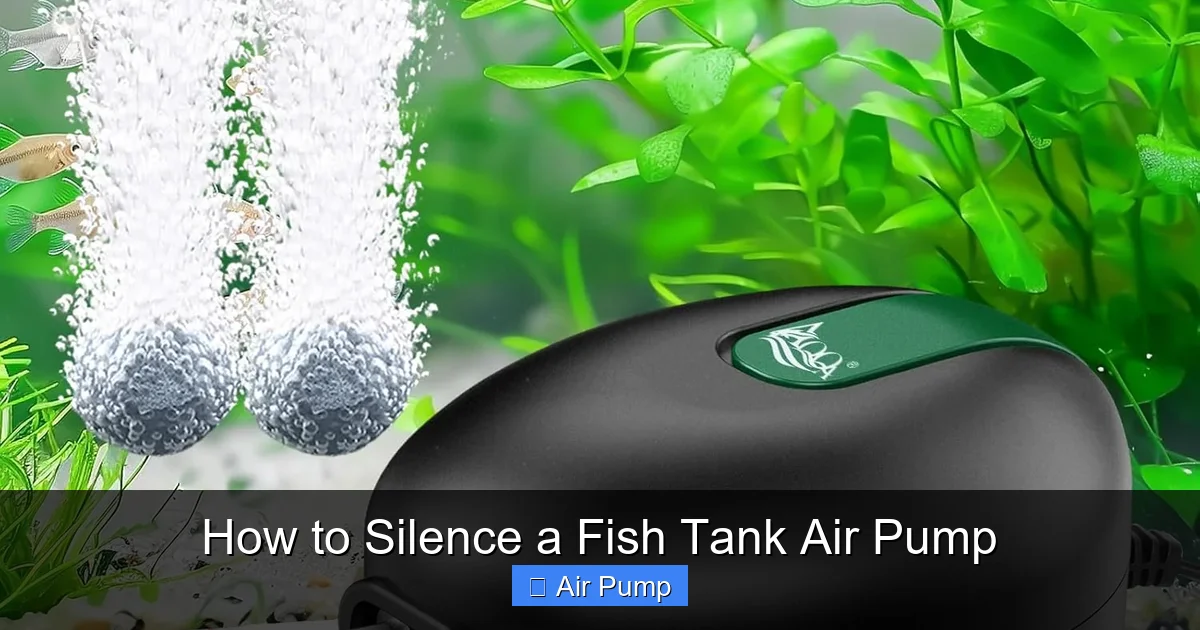
Visual guide about How to Silence a Fish Tank Air Pump
Image source: m.media-amazon.com
- Vibration: The motor and parts vibrating against surfaces produce sound.
- Resonance: Sound waves bounce within the pump casing or surrounding surfaces.
- Loose Parts: Worn or loose components can rattle or vibrate.
- Placement: Placing the pump directly on hard surfaces amplifies noise.
- Airflow Rate: High airflow can cause excessive noise, especially if the pump struggles to handle it.
Step-by-Step Guide to Silence Your Fish Tank Air Pump
1. Choose the Right Location
The first and simplest step is to position your air pump properly.
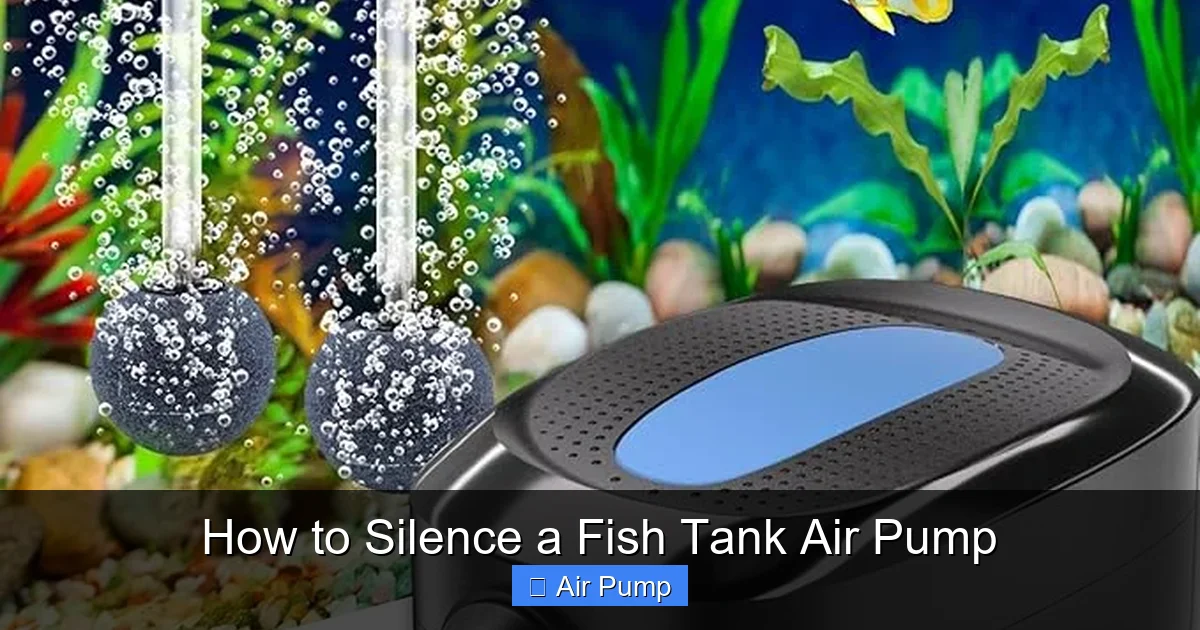
Visual guide about How to Silence a Fish Tank Air Pump
Image source: m.media-amazon.com
- Place on a soft surface: Avoid hard surfaces like wood or tile. Use a piece of foam, rubber mat, or sponge underneath the pump. This absorbs vibrations and reduces noise.
- Keep it away from the tank: Place the pump at least a few feet away from your aquarium. The further away, the less noise you’ll hear.
- Avoid confined spaces: Don’t put the pump inside a cabinet or enclosed space without ventilation, as this can amplify noise and cause overheating.
2. Add Soundproofing Materials
Soundproofing can dramatically cut down noise.
- Use foam or rubber padding: Wrap the pump in acoustic foam or attach rubber strips around it.
- Build a soundproof box: Create a simple box from plywood lined with foam. Place your pump inside, ensuring good ventilation.
- DIY dampening pads: Cut pieces of dense foam and place them between the pump and its surface.
3. Adjust the Airflow
Reducing the airflow can lower noise levels without harming your fish.
- Use the flow regulator: Many air pumps come with a valve to control airflow. Turn it down slightly to find a quieter setting.
- Upgrade to a quieter pump: If your current pump is too loud even at low settings, consider buying a newer, more silent model.
4. Upgrade to a Quieter Air Pump
Older or cheaper models tend to be noisier. Investing in a modern, low-noise pump can make a big difference.
- Look for quiet models: Choose pumps labeled as “quiet” or “silent” by manufacturers.
- Brands to consider: Some reputable brands include Tetra, Aquatop, and Hydrofarm that focus on low-noise designs.
- Features to look for: Insulated motors, sound-absorbing casing, and adjustable airflow.
5. Maintain Your Air Pump Regularly
Mechanical issues can cause extra noise. Keep your pump in top shape by:
- Cleaning the filter and impeller: Remove dust, algae, or debris that can cause vibrations.
- Replacing worn parts: Check the impeller and diaphragm regularly and replace if worn out.
- Lubricating moving parts: Use appropriate lubricants if recommended by the manufacturer.
6. Use Sound-Dampening Accessories
Additional accessories can further silence your air pump.
- Silencing tubing: Use flexible, thick-walled tubing that dampens vibrations and noise.
- Water traps or silencers: Install water traps or silencers on the airline to reduce hissing sounds. These also prevent water from reaching the pump if tubing leaks.
7. Additional Tips for a Quieter Aquarium
- Limit vibrations: Place the pump on a stable, level surface to prevent rattling.
- Reduce airflow: As mentioned, lower the flow rate if noise persists.
- Use a sponge or cloth: Cover the pump casing with a soft cloth to absorb sound, but ensure it doesn’t overheat.
Troubleshooting Common Noise Issues
If your air pump is still loud after trying these tips, consider these troubleshooting steps:
- Check for loose parts: Tighten any screws or fittings that may cause rattling.
- Inspect the impeller: Replace if damaged or worn, as this can cause vibration noise.
- Ensure proper placement: Confirm the pump isn’t sitting directly on a hard, vibrating surface.
- Reduce airflow: Lower the flow rate to see if it reduces noise without affecting oxygenation.
- Upgrade your pump: Sometimes, the best option is to replace an old, noisy pump with a newer, quieter model.
Conclusion
Silencing a fish tank air pump doesn’t have to be complicated. With proper placement, soundproofing, and maintenance, you can enjoy a peaceful aquarium environment. Remember to choose a quiet pump if you’re upgrading, and keep it well-maintained for optimal performance. By following these simple steps, you’ll enjoy the benefits of healthy fish and a tranquil space.
Enjoy a Quieter Aquarium Today!
Start implementing these tips now and say goodbye to annoying noise. Your fish and your ears will thank you!
