


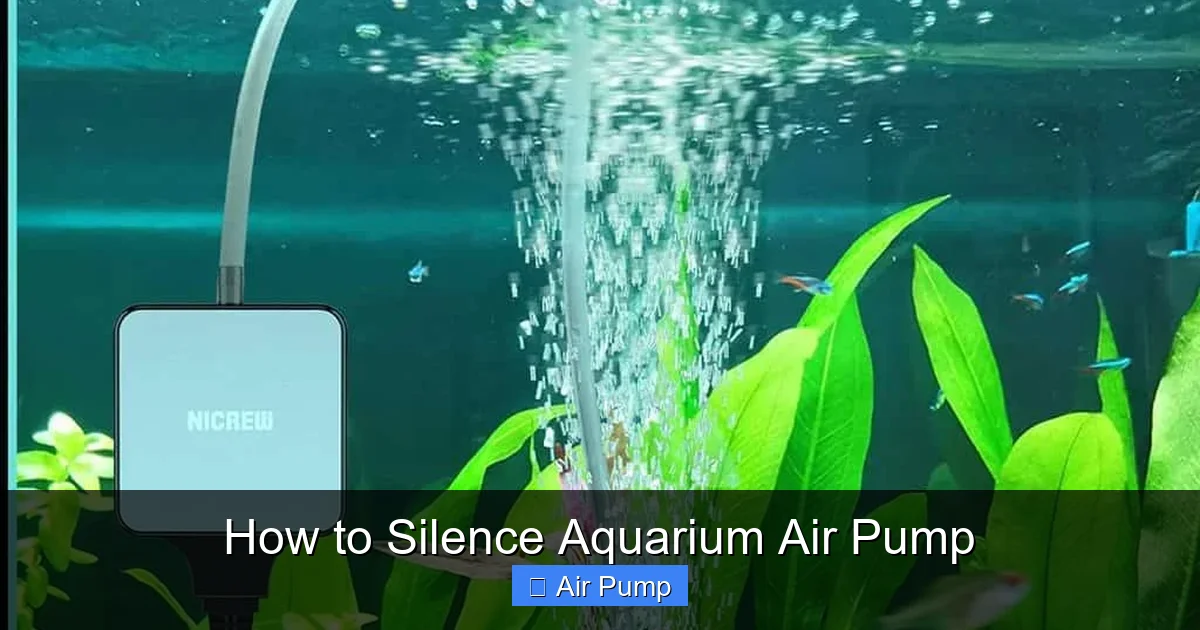
A noisy aquarium air pump can disturb both you and your aquatic pets. In this guide, you’ll learn easy methods to silence your air pump, from basic adjustments to soundproofing techniques. Follow these steps to enjoy a quieter, more serene tank setup.
How to Silence Aquarium Air Pump
If you own an aquarium, you’ve probably noticed how some air pumps can be quite loud. While they are essential for oxygenating your tank, the noise can be disruptive. Luckily, there are several simple and effective ways to silence your aquarium air pump. In this comprehensive guide, you’ll learn step-by-step how to reduce noise, improve your tank environment, and enjoy a peaceful setup. Whether your air pump is old, new, or just noisy by nature, these tips will help you achieve a quieter aquarium.
Key Takeaways
- Identify the source of noise: Understanding what makes your air pump loud helps in choosing the right silencing method.
- Regular maintenance: Cleaning and inspecting the pump can significantly reduce noise caused by debris or wear.
- Use soundproofing materials: Adding foam or rubber mats can dampen vibrations and muffle sound.
- Adjust airflow settings: Slowing down the pump or using a control valve can lessen noise levels.
- Position the pump wisely: Placing the pump on a soft surface or inside a soundproof box reduces transmitted vibrations.
- Consider upgrading: Modern, quieter air pumps are specifically designed to operate silently, offering a long-term solution.
Understanding Why Your Air Pump Is Noisy
Before diving into solutions, it’s helpful to understand what makes your air pump noisy. Common causes include:
- Vibrations: The pump’s motor vibrates against surfaces, transmitting sound.
- Resonance: The pump’s casing can amplify vibrations, creating noise.
- Loose parts: Worn or loose components rattle during operation.
- Airflow issues: Excessive airflow or blockages can cause the pump to work harder and generate more noise.
Knowing these factors helps you choose the right silence method and troubleshoot effectively.
Step 1: Regular Maintenance and Inspection
Clean Your Air Pump
Over time, dirt, algae, and debris can accumulate inside the pump. This buildup can cause the motor to work harder and produce more noise.
Visual guide about How to Silence Aquarium Air Pump
Image source: i.ytimg.com
- Unplug the pump before cleaning.
- Remove the cover and inspect the internal parts.
- Use a soft brush or cloth to clean the impeller and air outlet.
- Soak removable parts in vinegar or a mild cleaning solution to remove mineral deposits.
- Rinse thoroughly and dry before reassembling.
Check for Wear and Loose Parts
- Ensure all screws and fittings are tight.
- Replace worn-out parts like the impeller if they’re damaged or cracked.
- Replace the muffler or check for blockages if present.
Regular cleaning and inspection keep your pump running smoothly and quietly.
Step 2: Position the Air Pump Correctly
Choose the Right Location
Where you place your air pump makes a big difference in noise levels.
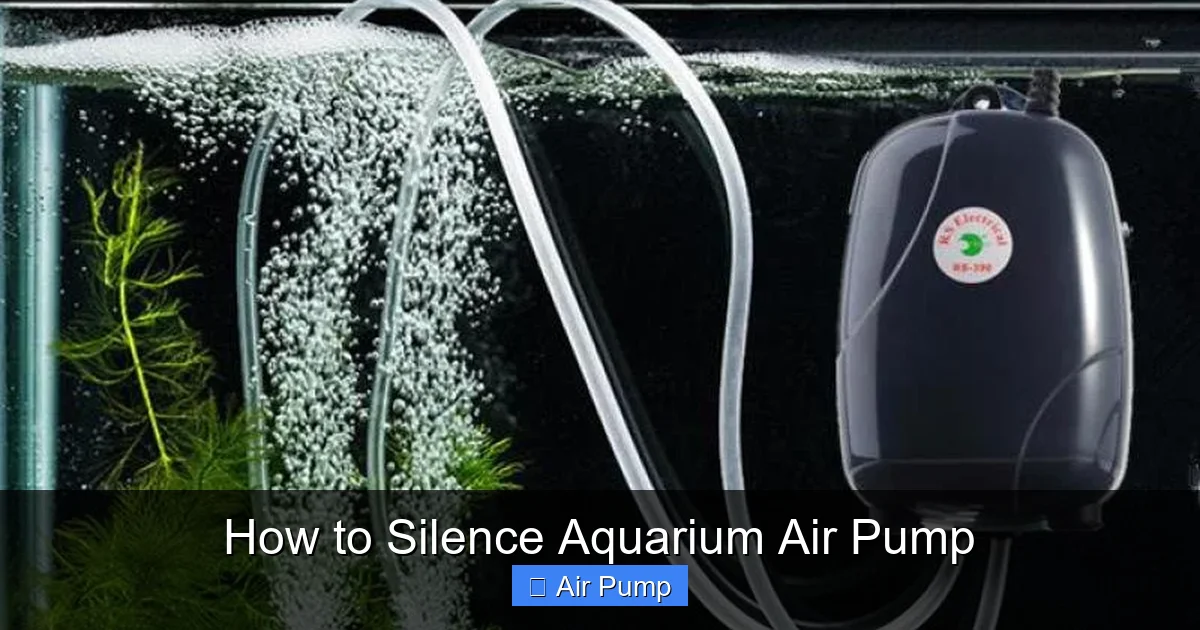
Visual guide about How to Silence Aquarium Air Pump
Image source: alexnld.com
- Place the pump on a hard surface like a shelf or countertop.
- Avoid placing it directly on the tank stand or stand-on surfaces prone to vibrations.
- Ensure good ventilation around the pump to prevent overheating.
Use Soft Surfaces
To reduce vibration transmission, place the pump on a soft, vibration-absorbing surface.
- Use rubber mats or foam pads under the pump.
- Wrap the pump in a towel or cloth if needed, but ensure it doesn’t block airflow or cause overheating.
Position the Pump Away from Tank and Habitats
Keep the pump away from the aquarium and fish to minimize disturbance and noise reflection.
Step 3: Implement Soundproofing Techniques
Add Sound-Absorbing Materials
Soundproofing is one of the most effective ways to silence your air pump.
- Foam padding: Wrap the pump with acoustic foam or place it inside a soundproof box lined with foam.
- Rubber or silicone pads: Place pads between the pump and surface to dampen vibrations.
- Enclosures: Use a plastic or wooden box with ventilation to contain the pump while allowing airflow.
Create a Custom Soundproof Box
- Build a box slightly larger than your pump using plywood or plastic.
- Line the interior with foam or soundproofing material.
- Cut ventilation holes covered with mesh to allow airflow.
- Place the pump inside, ensuring it doesn’t overheat.
Seal Gaps and Cracks
Check for gaps or cracks in the pump casing or enclosure. Seal these with weatherproof tape or sealant to prevent sound leaks.
Step 4: Adjust Airflow and Use Control Valves
Reduce Airflow
High airflow can cause the pump to be noisier. Adjust the airflow to a comfortable level.
- Use a flow control valve or regulator on the airline tubing.
- Slow down the airflow to reduce vibration and noise.
- Monitor the oxygen levels to ensure your fish still get enough air.
Install a Check Valve
A check valve prevents backflow and reduces pressure fluctuations that cause noise.
Step 5: Upgrade to a Quieter Air Pump
If your current pump remains loud despite all efforts, consider upgrading to a newer, quieter model. Modern air pumps are designed specifically for silent operation and energy efficiency.
- Look for pumps labeled “ultra-quiet” or “silent.”
- Choose pumps with rubber mounts or vibration dampening features.
- Read reviews and specifications before purchasing.
Troubleshooting Common Noise Issues
- Persistent rattling: Tighten loose parts or replace worn components.
- Vibrations transmitting through surfaces: Add more soundproof padding or change placement.
- Overheating: Ensure proper ventilation and avoid enclosure sealing that blocks airflow.
- Inadequate oxygenation: Adjust airflow after silencing modifications to maintain tank health.
Conclusion
Silencing your aquarium air pump is achievable with a combination of regular maintenance, strategic positioning, soundproofing, and possibly upgrading. By following these simple steps, you can enjoy a peaceful, quiet aquarium environment that benefits both your fish and your peace of mind. Remember, a quieter pump not only reduces noise pollution but can also extend the lifespan of your equipment. Take the time to assess your current setup and implement these tips for a calmer, more enjoyable aquarium experience.
