

If you’ve ever struggled with a manual screwdriver or felt limited by the reach of a corded drill, using a cordless drill as a screwdriver could change the way you work. Imagine saving time and effort with a tool you probably already own.
You’ll discover simple steps to turn your cordless drill into a powerful, precise screwdriver. Whether you’re assembling furniture, fixing appliances, or tackling home projects, mastering this trick will make your tasks easier and more efficient. Keep reading to unlock the full potential of your cordless drill and get the job done faster than ever.
Credit: www.familyhandyman.com
Choosing The Right Drill
Choosing the right drill is important for using it as a screwdriver. The drill must fit the task and be easy to handle. Not all drills work well for driving screws. Some are better for drilling holes. Understanding the differences helps you pick the best one.
Cordless Drill Vs Corded Drill
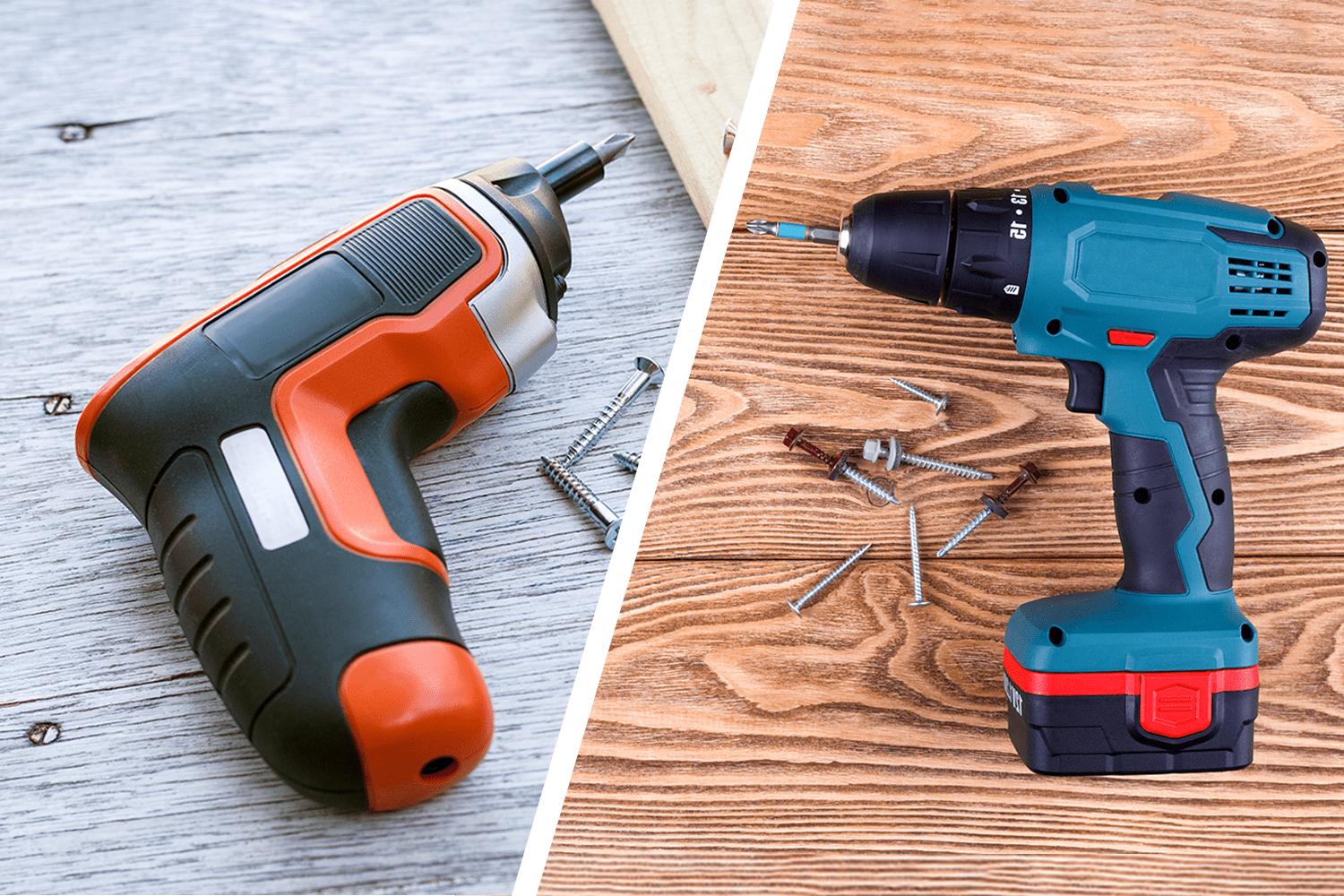
Cordless drills run on batteries and offer more freedom. You can move anywhere without a power cord. Corded drills need to be plugged in. They provide constant power but limit your movement. For screwdriving, cordless drills are usually easier to use. They are lighter and more comfortable to hold.
Battery Types And Life
Most cordless drills use lithium-ion batteries. These batteries last longer and charge faster. Older drills may use nickel-cadmium batteries. They are heavier and lose charge quickly. Battery life matters when working on big projects. Pick a drill with a battery that lasts long enough. It saves time and avoids interruptions.
Key Features For Screwdriving
Look for adjustable speed settings on the drill. Low speed helps control screw driving. A clutch prevents overdriving and stripping screws. A comfortable grip reduces hand fatigue. A drill with a magnetic bit holder keeps screws in place. These features make screwdriving easier and more precise.
Essential Drill Bits
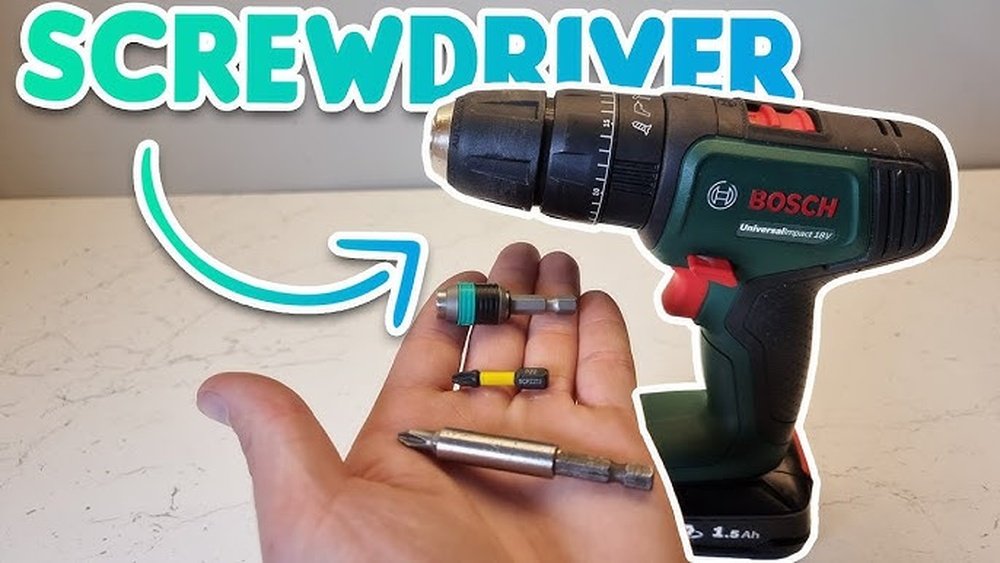
Using a cordless drill as a screwdriver needs the right drill bits. Essential drill bits make the job easier and more accurate. They fit different screws and materials. Choosing the right bits helps avoid damage to screws or tools. It also saves time and effort. Knowing about types, magnetism, and size ensures the best fit for your tasks.
Types Of Screwdriver Bits
Screwdriver bits come in many shapes. The common types are Phillips, flathead, Torx, and hex. Phillips bits have a cross shape, good for many screws. Flathead bits have a straight edge, used for simple screws. Torx bits look like stars and fit special screws. Hex bits have six sides and are strong for heavy work. Use the right bit for each screw to avoid slipping or damage.
Magnetic Vs Non-magnetic Bits
Magnetic bits hold screws firmly on the tip. This helps to start screws with one hand. It also stops screws from falling. Non-magnetic bits do not hold screws but are better for sensitive electronics. Choose magnetic bits for general work and non-magnetic for delicate tasks. Knowing the difference makes your work faster and safer.
Bit Size And Compatibility
Bits come in many sizes to fit screws exactly. Using a bit too big or too small can strip the screw head. Check the size marked on the bit before use. Make sure the bit fits your drill’s chuck. Most cordless drills accept standard 1/4-inch hex shanks. Proper size and fit improve control and reduce damage. Always match bit size to the screw for best results.
Setting Up Your Drill
Setting up your cordless drill is the first step to using it as a screwdriver. Proper setup helps you work faster and avoid damage. It also keeps your screws safe and secure in their places.
Adjusting Torque Settings
Torque controls how much power your drill uses to turn screws. Too much torque can strip the screw head or damage the material. Too little torque can leave screws loose. Set the torque based on the screw size and material. Start low and increase if needed.
Selecting The Correct Speed
Drills have different speed settings. Use low speed for driving screws to avoid slipping. High speed is better for drilling holes. Choose the speed that matches your task. Low speed gives you more control and precision.
Installing The Bit Securely
Choose the right screwdriver bit for your screws. Insert the bit firmly into the drill chuck. Tighten the chuck so the bit does not wobble or fall out. A loose bit can damage screws or cause injury. Check the bit before each use.
Techniques For Screwdriving
Using a cordless drill as a screwdriver can save time and effort. To do this well, learn some key techniques. These will help you drive screws safely and efficiently.
Proper Grip And Angle
Hold the drill firmly with both hands if possible. Keep the drill bit straight and aligned with the screw. This prevents the screw from going in crooked. A straight angle reduces damage to the wood or material. It also helps the screw go in smoothly.
Starting Screws Without Stripping
Begin screws slowly to avoid slipping. Place the drill bit gently on the screw head. Start drilling at low speed to keep control. Stop if the bit slips out. Use the right bit size to match the screw head. A good fit helps prevent stripping and damage.
Controlling Speed And Pressure
Use low speed for better control and accuracy. Apply steady pressure without pushing too hard. Let the drill do the work. Pressing too much can break the screw or drill bit. Slow speed helps when driving screws into soft materials. Increase speed only when the screw is halfway in.
Safety Tips
Using a cordless drill as a screwdriver can save time and effort. Safety is very important while working with power tools. Follow these safety tips to protect yourself and work well.
Protective Gear To Use
Always wear safety glasses to protect your eyes from dust and debris. Use gloves to protect your hands from sharp edges and slipping. Wear ear protection if you work in a noisy area. Choose comfortable clothes that fit well and do not get caught in the drill.
Avoiding Common Injuries
Keep your fingers away from the drill bit and screw area. Never force the drill if the screw does not go in easily. Let the drill do the work. Stop if you feel the drill slipping or the bit breaking. Use the correct drill bit size for the screws you use.
Maintaining A Stable Workspace
Work on a clean, flat surface to keep balance and control. Secure your workpiece with clamps to prevent movement. Make sure the area has good lighting to see clearly. Keep the drill battery charged but unplug when changing bits. Avoid distractions to stay focused on safety.
Troubleshooting Common Issues
Troubleshooting common issues can save time and frustration when using a cordless drill as a screwdriver. Many users face simple problems that are easy to fix. Understanding these issues helps keep your tool working well and your project on track.
Dealing With Stripped Screws
Stripped screws happen when the drill bit slips inside the screw head. This makes the screw hard to turn or remove. Use a rubber band over the screw head to improve grip. Try a screwdriver with a larger tip size. Apply steady, even pressure to avoid slipping. Avoid using worn or damaged bits on screws.
Battery And Power Problems
Battery issues can stop your drill from working properly. Check if the battery is fully charged before use. Clean the battery contacts to ensure good connection. Use the correct charger for your battery type. Avoid running the drill at low battery levels. Replace old batteries that no longer hold charge well.
Bit Slipping And Wear
Bit slipping occurs when the bit does not hold firmly in the drill chuck. Tighten the chuck securely before starting your work. Replace bits that have worn or rounded edges. Use the right bit size for each screw type. Keep bits clean and free of debris to maintain grip. Changing bits often helps keep your work efficient.
Maintenance For Longevity
Keeping your cordless drill in good shape helps it last longer and work better. Regular maintenance protects the tool and saves money on repairs. Simple steps can keep your drill running smoothly for years.
Cleaning Your Drill
Wipe the drill after each use with a dry cloth. Remove dust and dirt from vents and moving parts. Avoid using water or harsh chemicals that can damage the drill. Clean the chuck to prevent it from sticking.
Storing Batteries Properly
Store batteries in a cool, dry place away from direct sunlight. Avoid leaving batteries in the drill for long periods. Charge batteries before storing and use them regularly to keep them healthy. Keep battery contacts clean and free from rust.
Regular Inspection And Upkeep
Check the drill for loose screws and worn parts. Tighten any loose components to avoid damage. Test the drill’s functions before each use to ensure safety. Replace damaged bits and worn brushes promptly.

Credit: www.youtube.com

Credit: thediyplaybook.com
Frequently Asked Questions
Can I Use A Cordless Drill As A Screwdriver?
Yes, a cordless drill can work as a screwdriver by attaching the right bit. Use low speed and torque settings for better control.
What Drill Settings Are Best For Screwing?
Use low speed and low torque to avoid stripping screws or damaging materials. Adjust settings based on screw size and material hardness.
Do I Need Special Bits For A Cordless Drill?
Yes, use screwdriver bits compatible with your screws, such as Phillips or flathead. Magnetic bits help hold screws securely during use.
How To Avoid Stripping Screws With A Cordless Drill?
Apply moderate pressure and use the correct bit size. Start at low speed and increase torque gradually to prevent stripping.
Conclusion
Using a cordless drill as a screwdriver saves time and effort. It fits many screw types with the right bit. Adjust the drill’s speed for better control and safety. Always hold the drill firmly to avoid slipping. This tool makes small projects easier and faster.
Practice a little to feel confident using it. Keep your drill charged and ready to go. Simple tips help you work smarter, not harder. Try these steps next time you need to screw something in.
