


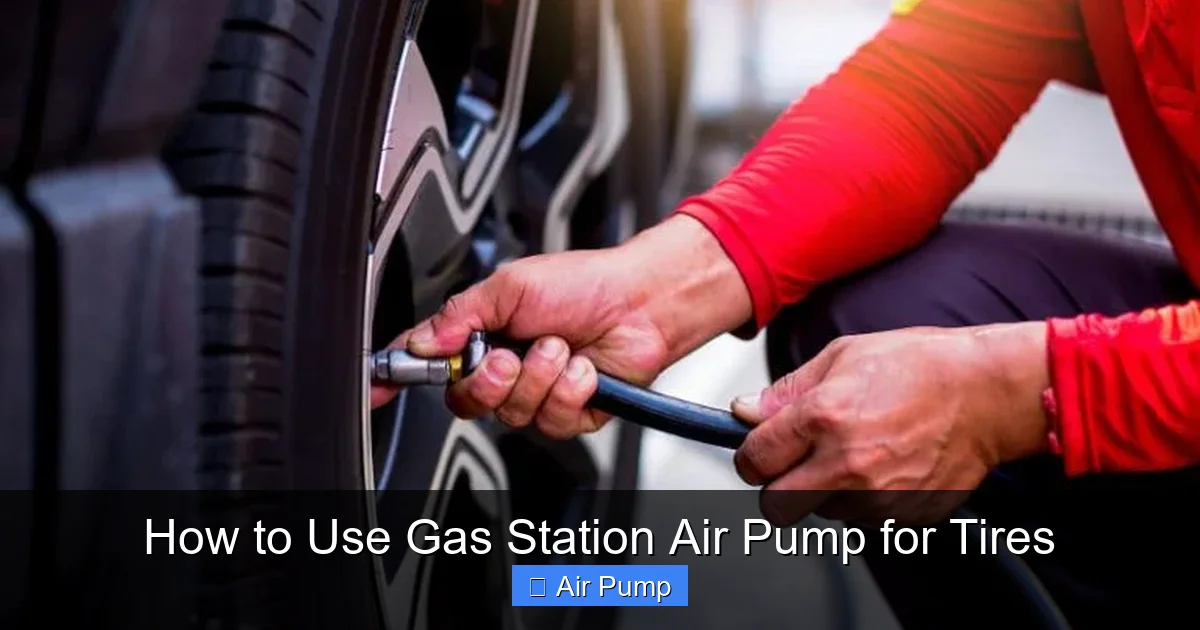
Using a gas station air pump for tires is easy once you know the steps. This guide walks you through the process, from preparing your vehicle to checking tire pressure. Properly inflating your tires helps improve safety and fuel economy.
Key Takeaways
- Know your tire pressure: Check your vehicle’s recommended PSI before inflating to avoid over or under-inflation.
- Prepare your equipment: Ensure the air pump is functioning properly and you have the necessary tools like a pressure gauge.
- Position your vehicle: Park close to the air pump with enough space to access all tires comfortably.
- Attach the nozzle securely: Connect the air hose to the valve stem tightly to prevent leaks during inflation.
- Monitor pressure: Use the built-in or separate pressure gauge to check tire pressure during inflation.
- Adjust as needed: Add or release air until the correct PSI is reached for each tire.
- Final check: Remove the nozzle, recheck pressure, and ensure all valves are closed tightly.
Introduction
Keeping your tires properly inflated is crucial for safe driving, better fuel economy, and longer tire life. Gas station air pumps are convenient and easy to use, but many drivers aren’t sure of the correct process. In this guide, you’ll learn how to use a gas station air pump for tires step-by-step. Whether you’re topping off your tires or doing a full inflation, these tips will help you do it safely and accurately.
Step 1: Prepare Before Using the Air Pump
Check Your Tire Pressure
Before you start, find out the recommended PSI (pounds per square inch) for your tires. You can usually find this info on a sticker inside the driver’s door or in your vehicle’s manual. Knowing the correct PSI helps you avoid over-inflating or under-inflating your tires, which can cause uneven wear or safety issues.

Visual guide about How to Use Gas Station Air Pump for Tires
Image source: tools-zone.com
Gather Your Tools
Make sure you have a reliable tire pressure gauge—some gas station air pumps have built-in gauges, but it’s good to have your own for accuracy. Also, carry your vehicle’s manual or tire info sticker for reference. Wear gloves if you have sensitive skin, and have a flashlight if lighting is poor.
Step 2: Position Your Vehicle Correctly
Park Near the Air Pump
Drive your vehicle so that each tire is close to the air pump. Usually, gas station air pumps are aligned along the station’s parking area. Ensure your vehicle is centered and parked securely with the parking brake on.
Visual guide about How to Use Gas Station Air Pump for Tires
Image source: carguideinfo.com
Access All Tires Easily
Make sure there’s enough space around each tire to attach the air hose comfortably. If your tires are on opposite sides, you might need to move the vehicle slightly to access all four tires with ease.
Step 3: Check and Attach the Air Hose
Inspect the Nozzle and Hose
Look over the air pump nozzle and hose for any damage or debris. Clean if necessary to ensure a tight seal when attaching.
Attach the Nozzle to the Valve Stem
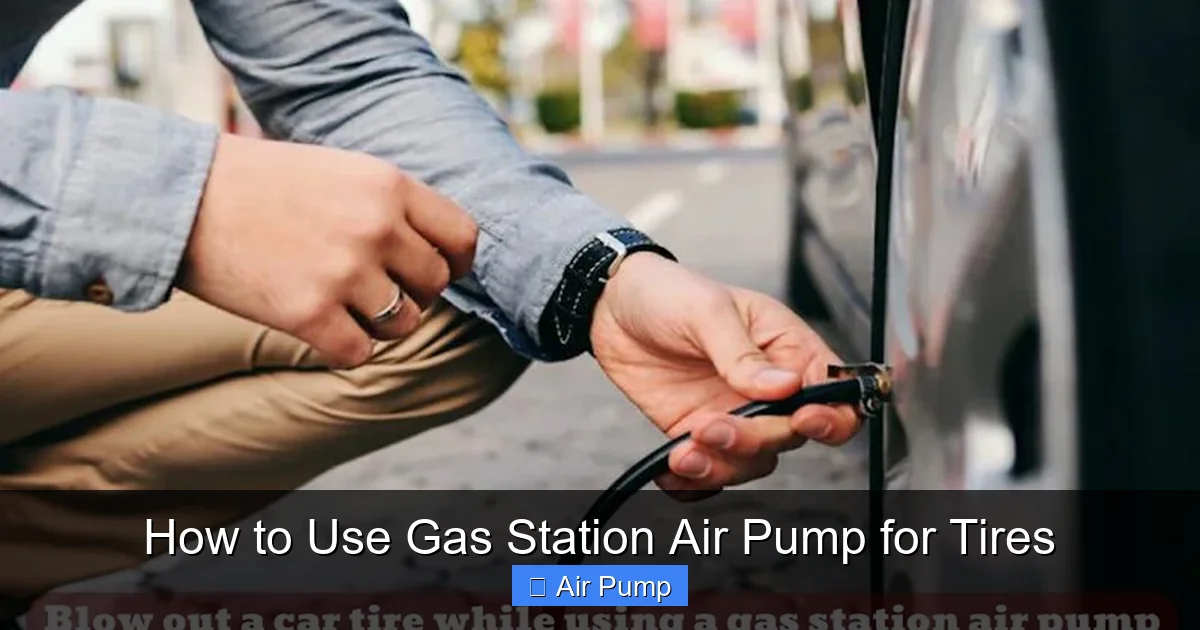
Remove the valve cap from your tire’s valve stem. Place the nozzle onto the valve stem and press down firmly. Some pumps have a lever or latch—engage it to lock the nozzle in place. Ensure it’s tightly connected to prevent air leaks during inflation.
Step 4: Inflate the Tire and Monitor Pressure
Start the Pump
Turn on the gas station air pump. Some stations have a button, lever, or keypad. If the pump has a built-in pressure gauge, it will display the current PSI. If not, use your own gauge to check pressure periodically.
Inflate in Short Bursts
Allow the pump to run for a few seconds, then stop to check the tire’s pressure. Repeat this process, adding small amounts of air, to avoid over-inflating. Keep an eye on the pressure gauge or your own gauge to reach the recommended PSI.
Use a Pressure Gauge for Accuracy
If the pump’s gauge isn’t reliable, remove the nozzle periodically and check with your personal gauge. This ensures your tire is inflated to the correct pressure.
Step 5: Final Checks and Detaching
Ensure Proper Inflation
Once the tire reaches the correct PSI, turn off the pump. Carefully remove the nozzle from the valve stem, making sure no air escapes. Check the pressure again to confirm accuracy.
Replace the Valve Cap
Put the valve cap back on each tire’s valve stem. This helps keep dirt and moisture out, maintaining proper valve function.
Repeat for All Tires
Follow the same process for each tire, including the spare if you plan to keep it properly inflated.
Practical Tips for Using Gas Station Air Pumps
- Check the pump’s condition: Ensure the air pump is working properly before starting. If it’s broken or malfunctioning, find another station.
- Use your own pressure gauge: For best accuracy, keep a small, portable pressure gauge in your glove compartment.
- Don’t over-inflate: It’s better to under-inflate slightly than to over-inflate, which can cause blowouts or uneven tire wear.
- Stay safe: Avoid overexerting yourself. If you have physical limitations, ask for assistance or use a different station.
- Check tire pressure regularly: Make it a habit to check your tires once a month and before long trips.
Troubleshooting Common Issues
- Air pump not working: Try another pump or station. Report the issue to station staff.
- Leakage during attachment: Ensure the nozzle is pressed firmly onto the valve stem and the latch is engaged. Replace the nozzle if damaged.
- Incorrect pressure readings: Use your own gauge for verification. Calibrate or replace faulty gauges.
- Difficulty attaching nozzle: Make sure the valve stem is clean and free from debris. Use a small brush if needed.
Conclusion
Using a gas station air pump for tires is straightforward once you follow these simple steps. Remember to check your tire pressure regularly, use the correct PSI, and ensure the nozzle is attached securely. Properly inflated tires improve safety, increase fuel efficiency, and extend tire lifespan. With a little practice, you’ll be able to maintain your tires with confidence and ease.
Remember:
Always carry a personal pressure gauge and check your tires periodically. Proper tire inflation is a small task that makes a big difference in your driving experience.
