

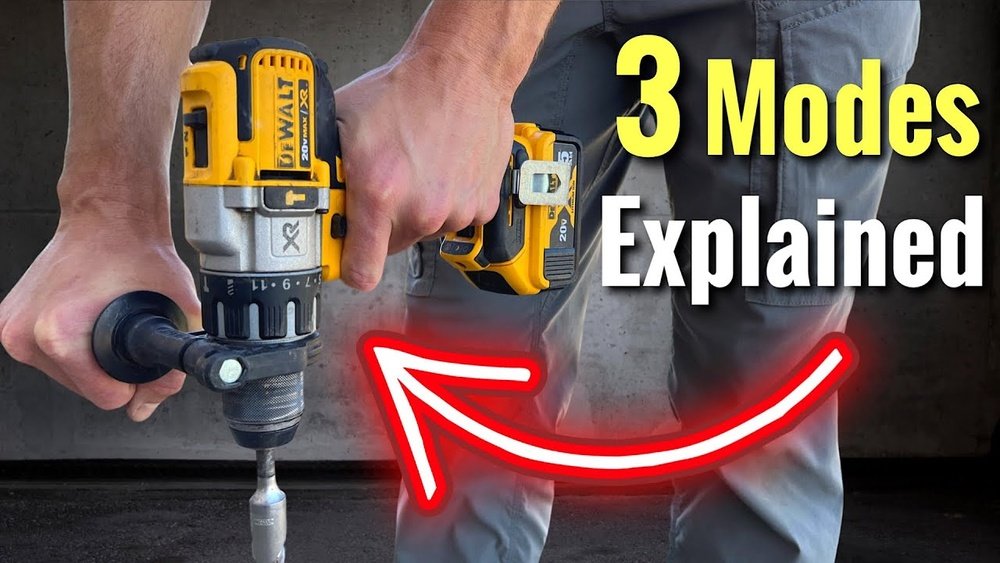
Are you ready to take your drilling skills to the next level? Knowing how to use the hammer drill setting can save you time and effort, especially when working with tough materials like concrete or brick.
But if you’re unsure when or how to switch to this powerful mode, you might be struggling more than you need to. You’ll discover simple, clear steps to master the hammer drill setting. By the end, you’ll feel confident handling any project that calls for extra power and precision.
Keep reading to unlock the full potential of your drill and make your work easier and faster.

Credit: www.youtube.com
Choosing The Right Hammer Drill
Choosing the right hammer drill is important for any drilling project. The right tool makes your work faster and easier. It also protects your drill and the surface you work on. Understanding the types, features, and drill bits helps you pick the best hammer drill.
Types Of Hammer Drills
There are two main types: corded and cordless. Corded drills provide constant power. They are good for long projects. Cordless drills use batteries. They are easier to carry and use in tight spaces. Some hammer drills combine hammering and regular drilling. Choose based on your project needs.
Key Features To Look For
Power is a key feature. Higher power means better performance on hard materials. Look for adjustable speed settings. This helps control drilling speed for different surfaces. A comfortable grip reduces hand fatigue. Check for a durable build to last long. Extra features like depth control add precision.
Selecting The Correct Drill Bit
Choose drill bits made for hammer drills. Masonry bits work best on concrete and brick. Use wood bits for soft materials like wood. Metal bits are for steel and other metals. Make sure the bit fits your drill’s chuck size. Sharp bits drill cleaner and faster.
Credit: www.finehomebuilding.com
Preparing For Drilling
Preparing for drilling with a hammer drill is important for a clean and safe job. Taking simple steps before you start helps avoid mistakes and accidents. It also makes the drilling process smoother and more precise.
Start by gathering the right safety gear. Then, mark the exact spot you want to drill. Lastly, make sure the material you drill into stays steady. Follow these steps carefully to get the best results.
Safety Gear Essentials
Wear safety glasses to protect your eyes from flying dust and debris. Use ear protection to shield your ears from loud noise. Gloves help protect your hands from vibration and sharp edges. Wear a dust mask if you drill into materials that create fine dust. Dress in close-fitting clothes to avoid getting caught in the drill.
Marking The Drill Spot
Use a pencil or marker to mark the exact spot for drilling. Check your mark twice to avoid mistakes. Use a center punch to make a small dent on the mark. This dent helps keep the drill bit from slipping. Accurate marking leads to precise drilling and a better finish.
Securing The Workpiece
Clamp the workpiece firmly to a stable surface. This prevents movement during drilling. Use a vise or clamps depending on the size and shape. Holding the material steady reduces the risk of damage and injury. A secure workpiece also helps the drill bit cut smoothly.
Adjusting Hammer Drill Settings
Adjusting hammer drill settings is key for efficient and safe drilling. Proper settings help you match the tool’s power to your task. This control increases accuracy and prevents damage to materials and the drill itself. Understanding how to switch modes, set speed, and control impact force makes your work easier and faster.
Switching Between Modes
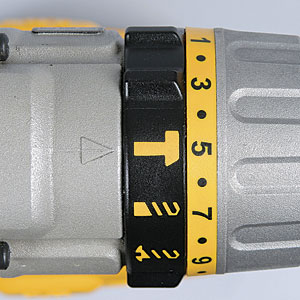
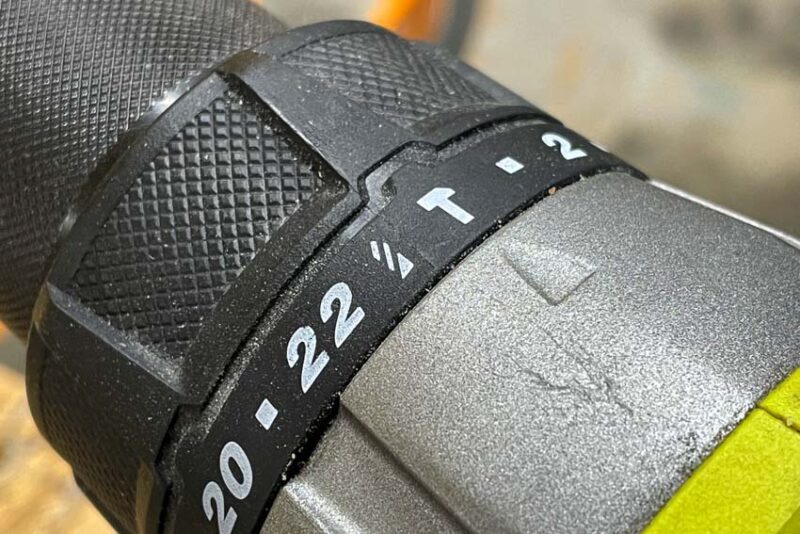
Most hammer drills have at least two modes: drill and hammer. Drill mode spins the bit for regular drilling tasks. Hammer mode adds a pounding action for drilling into hard surfaces like concrete. Switch modes by turning the mode selector on your drill. Use hammer mode only on hard materials. Use drill mode for wood, metal, or plastic.
Setting Drill Speed
Speed control lets you adjust how fast the drill bit spins. High speeds work well for soft materials and small holes. Low speeds give more control on hard materials or larger holes. Use the variable speed trigger to control speed as you drill. Start slow and increase speed as needed. This prevents slipping and keeps holes clean.
Controlling Impact Force
Impact force is the hammering strength of the drill. Some hammer drills let you adjust this force. Higher impact force breaks tougher surfaces faster. Lower force works better on fragile materials to avoid cracks. Adjust impact force using the settings dial if your drill has one. Balance force and speed for the best result.
Credit: www.protoolreviews.com
Drilling Techniques For Different Materials
Using the hammer drill setting correctly depends on the material you drill. Different surfaces need different techniques. This section explains how to drill into common materials safely and effectively. Follow these tips to get the best results and avoid damage.
Concrete And Masonry
Use the hammer drill setting for concrete and masonry. This setting helps the drill hammer forward while spinning. Start with a small pilot hole. Apply firm, steady pressure without pushing too hard. Let the drill do the work. Use a carbide-tipped masonry bit for best results. Clear dust from the hole often to avoid overheating. Wear safety goggles and a dust mask.
Wood And Drywall
Turn off the hammer function for wood and drywall. Use the drill-only mode to avoid splintering. Choose a wood bit with a sharp point. Drill slowly at first to prevent cracking. Increase speed as the bit goes deeper. Keep the drill straight to make clean holes. For drywall, avoid pushing hard to prevent tearing the surface.
Metal Surfaces
Do not use the hammer setting on metal. Use a metal drill bit with a sharp tip. Start with a small pilot hole for accuracy. Apply light, steady pressure. Use cutting oil to keep the bit cool and reduce friction. Drill at a slow speed to avoid overheating. Clean metal shavings from the bit often to maintain sharpness.
Troubleshooting Common Issues
Troubleshooting common issues with a hammer drill helps keep your work smooth. Problems can slow you down or cause damage. Knowing how to fix these issues saves time and money.
Overheating And Bit Wear
Overheating happens if you use the drill too long without breaks. The motor and bit get very hot. Stop and let the drill cool down. Using the wrong bit can cause fast wear. Always choose bits made for hammer drills. Dull bits reduce drilling power and cause damage.
Drill Wandering
Drill wandering means the bit moves off the mark. It often happens on hard or smooth surfaces. Start drilling slowly to make a small guide hole. Use a center punch to make a small dent first. Hold the drill steady and apply firm pressure. This keeps the bit from slipping.
Power Loss Problems
Power loss can come from a weak battery or power source. Check the battery charge or plug connection. Dirty or worn brushes inside the drill cause power drops. Clean or replace them if needed. Avoid overloading the drill by using the right speed and pressure for the job.
Maintenance Tips For Hammer Drills
Maintaining your hammer drill keeps it working well and lasts longer. Proper care avoids common problems and saves money on repairs. A few simple steps protect your tool and improve safety during use.
Cleaning And Lubrication
Keep the drill clean by wiping dust and dirt off after use. Use a dry cloth for the outside parts. Blow air into vents to clear dust inside. Apply a small amount of lubricant to moving parts. This reduces friction and wear. Avoid using too much oil; it can attract dirt.
Checking For Damage
Look over the drill for cracks or broken parts regularly. Check the power cord for cuts or frays. Test the drill bit holder to ensure it locks tightly. Replace damaged parts quickly to avoid accidents. Use only parts made for your drill model.
Storing Your Drill Properly
Store your hammer drill in a dry, cool place. Avoid damp areas that cause rust and damage. Keep it in a case or toolbox to protect from dust. Do not leave the drill in direct sunlight or heat. Proper storage keeps the tool ready for the next job.
Frequently Asked Questions
What Is The Hammer Drill Setting Used For?
The hammer drill setting is used to drill into hard materials like concrete and masonry. It combines rotation with a hammering action for efficient drilling. This setting is ideal for construction and renovation projects requiring precise and powerful drilling.
How Do I Switch To Hammer Drill Mode?
To switch to hammer drill mode, locate the mode selector on your drill. Turn or slide it to the hammer icon. Ensure the drill is off before changing settings to avoid damage. This activates the hammering function for tougher surfaces.
When Should I Avoid Using The Hammer Drill Setting?
Avoid the hammer drill setting on wood, metal, or soft materials. Using it on these can damage the material and drill bit. Always use the standard drill mode for non-masonry surfaces to ensure safety and tool longevity.
Can Hammer Drill Settings Damage Drill Bits?
Yes, using the hammer drill setting improperly can wear out bits faster. Always use carbide-tipped bits designed for hammer drilling. Proper bit selection and setting adjustment prevent damage and improve drilling efficiency.
Conclusion
Using the hammer drill setting makes drilling into hard materials easier. Always choose the right mode for your task to avoid damage. Keep the drill steady and apply gentle pressure while working. Regularly check your drill bits for wear and replace if needed.
Practice safety by wearing protective gear and working in a clear space. With these steps, your drilling projects will go smoothly and efficiently. Simple care and correct use help extend your tool’s life. Ready to tackle your next project with confidence?
