

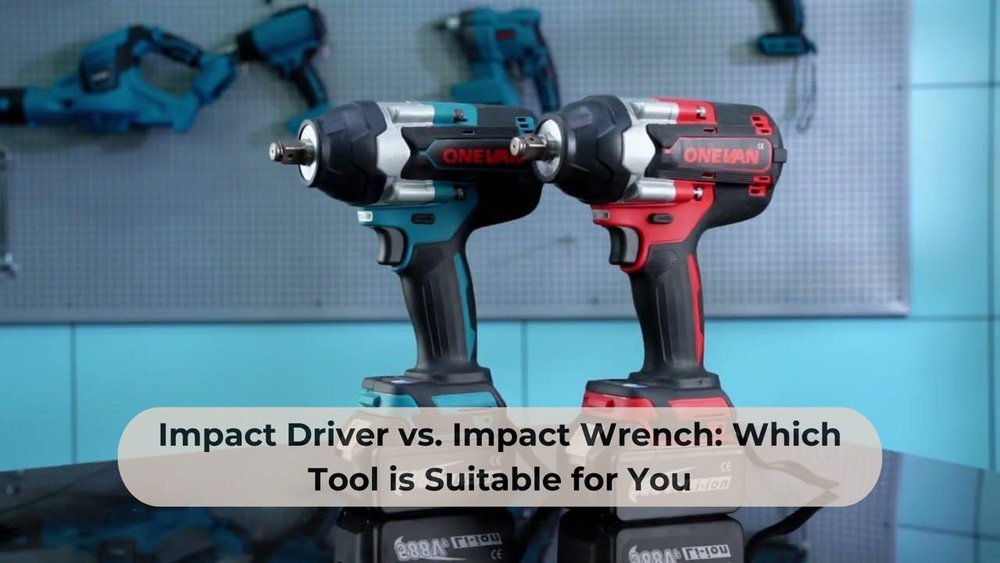
Have you ever picked up a power tool and wondered if an impact wrench and an impact driver are actually the same thing? You’re not alone.
These two tools look similar and even sound alike, but they serve different purposes and work in unique ways. Understanding the difference can save you time, money, and frustration the next time you tackle a project. Keep reading, and you’ll discover exactly what sets these tools apart—and which one is right for your needs.
Credit: www.youtube.com
Impact Wrench Basics
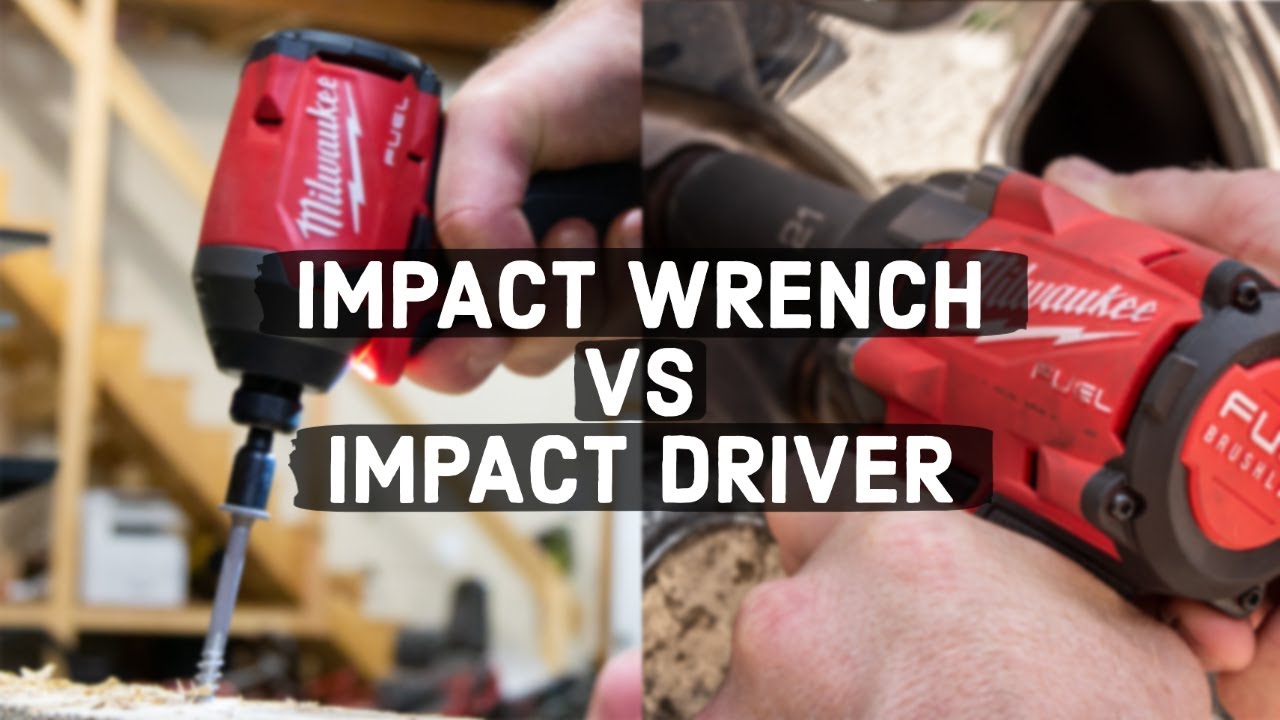
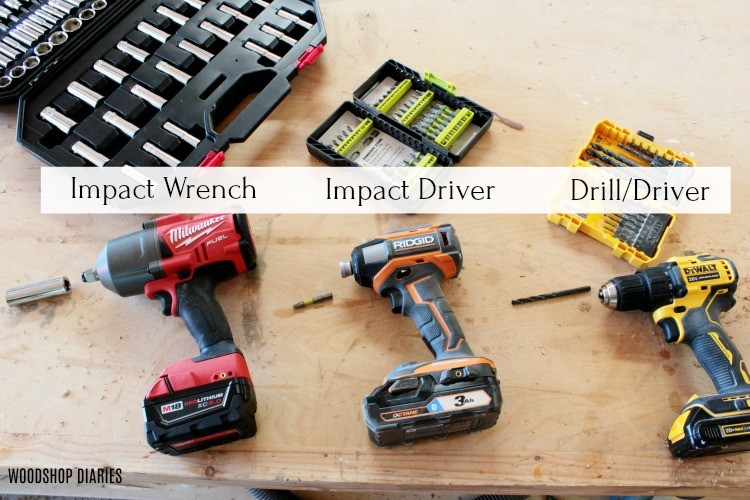
An impact wrench is a powerful tool used to tighten or loosen nuts and bolts. It uses strong bursts of force called impacts to do the job quickly. This tool makes difficult tasks easier, saving time and effort.
People often confuse an impact wrench with an impact driver. Understanding the basics of an impact wrench helps clear up this confusion.
Design And Function
An impact wrench has a heavy motor and a hammer mechanism inside. The motor turns a hammer that hits an anvil repeatedly. This action creates strong torque to move tight fasteners.
The tool usually has a square drive to hold sockets. It works with air (pneumatic), electricity, or batteries. The design allows high power in a compact size.
Common Uses
Impact wrenches are common in car repair shops. Mechanics use them to remove or install lug nuts quickly. They also help in construction to assemble large metal or wood parts.
They are useful anywhere strong, fast fastening is needed. This tool reduces hand strain and speeds up repetitive jobs.
Credit: www.maxtool.com
Impact Driver Essentials
An impact driver is a powerful tool that helps with tough fastening jobs. It uses strong rotational force and quick bursts of impact to drive screws and bolts. This tool makes tasks easier and faster than using a standard drill.
Understanding the basics of an impact driver helps you use it safely and effectively. Below, learn about its design and common uses.
Design And Function
Impact drivers have a compact, lightweight design. This makes them easy to hold and control. Inside, they use a spring, hammer, and anvil mechanism. This setup delivers short, strong bursts of torque.
The tool spins quickly and hits repeatedly to push screws deep. This action reduces the effort needed from your hand. It also helps prevent stripped screws and slipping.
Common Uses
Impact drivers are best for driving long screws and bolts. They work well with wood, metal, and other materials. Carpenters and builders use them for framing and decking jobs.
They also help with assembling furniture and tightening loose bolts. These tools are useful for DIY projects and repairs around the house. Their power makes tough jobs simpler and faster.
Power And Torque Comparison
Power and torque are key factors when comparing impact wrenches and impact drivers. These tools look similar but serve different roles. Understanding their power and torque helps choose the right tool for the job.
Both tools use a hammering action to deliver high torque. This makes them effective for tightening or loosening fasteners. Still, their power output and torque levels vary significantly.
Impact Wrench Power And Torque
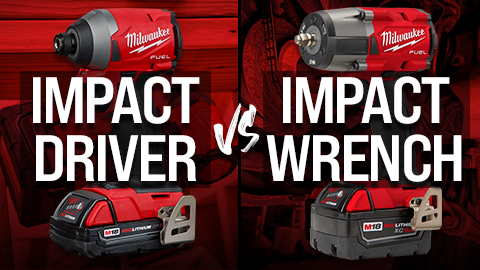
Impact wrenches deliver high torque, often exceeding 300 ft-lbs. They are designed for heavy-duty tasks like automotive repair and construction. The motor inside is powerful and built to handle tough bolts. This tool can loosen rusted or over-tightened nuts easily.
Impact Driver Power And Torque
Impact drivers offer lower torque, usually between 1,200 and 2,000 in-lbs. They work well for driving screws and light bolts. The motor is smaller and uses less power. This makes the tool lighter and easier to control for long use.
Comparing Torque Levels
Torque is the main difference between the two tools. Impact wrenches provide much higher torque than impact drivers. This power difference affects the type of work each tool can do. High torque means more force to turn large fasteners.
Power Source And Speed
Both tools come in corded and cordless versions. Cordless models rely on battery strength. Impact wrenches often have slower speed but higher torque. Impact drivers spin faster, making them ideal for quick screw driving.
Size And Weight Differences
Size and weight play a big role in choosing between an impact wrench and an impact driver. These tools look similar but differ in how heavy and large they are. These differences affect how easy they are to use and carry around.
Impact Wrench Size And Weight
Impact wrenches are generally bigger and heavier. They have a larger body to handle high torque. This extra size helps them tighten or loosen big bolts quickly. Most impact wrenches weigh between 4 to 8 pounds. Their size can make them harder to use in tight spaces.
Impact Driver Size And Weight
Impact drivers are smaller and lighter than wrenches. They usually weigh about 2 to 4 pounds. Their compact design fits well in small hands. This size helps users work longer without feeling tired. Impact drivers work well in tight or awkward spots.
How Size And Weight Affect Use
Heavier impact wrenches give more power but can tire your hands fast. Lighter impact drivers offer less power but better control. The size also decides where you can use the tool. Small spaces need a compact driver. Large jobs need a strong wrench.
Types Of Fasteners Each Tool Handles
Impact wrenches and impact drivers are built for different fasteners. Knowing which tool fits which fastener helps in choosing the right one for the job.
Each tool uses a unique mechanism that works best with specific types of fasteners. This section explains the fasteners each tool handles well.
Fasteners For Impact Wrenches
Impact wrenches mainly handle large, heavy-duty fasteners. These include lug nuts, bolts, and large screws found in vehicles and heavy machinery. They deliver high torque to loosen or tighten stubborn fasteners quickly. Impact wrenches usually use sockets to grip these fasteners firmly.
Fasteners For Impact Drivers
Impact drivers work best with smaller fasteners like wood screws, deck screws, and small bolts. They use hex-shank driver bits to fit into fastener heads. These tools provide fast rotational force, making them perfect for driving screws into wood or metal without stripping.
Noise And Vibration Levels
Noise and vibration levels are important factors when choosing between an impact wrench and an impact driver. These tools produce different sounds and vibrations during use. Understanding these differences helps you pick the right tool for your work and comfort.
Noise Levels Of Impact Wrenches And Impact Drivers
Impact wrenches usually create louder noise than impact drivers. This is because they deliver more power and torque. The sound can be sharp and intense, especially with pneumatic models. Impact drivers produce a lower, less harsh noise. They still make some noise but are easier on the ears during long use.
Vibration Levels During Use
Impact wrenches often cause stronger vibrations. These vibrations come from the heavy impacts inside the tool. They can tire your hands and arms faster. Impact drivers have milder vibrations. They use smaller impacts to turn screws and bolts. This makes them more comfortable to hold for a longer time.
Safety And Comfort Considerations
High noise and vibration can affect safety. Using ear protection is wise with impact wrenches. Gloves can reduce vibration impact on your hands. Impact drivers, with less noise and vibration, may need less protective gear. Still, it’s good to protect your ears and hands during all heavy tool use.
Battery And Power Source Options
Battery and power source options play a big role in choosing between an impact wrench and an impact driver. Both tools often use batteries, but their power needs can differ. Understanding these differences helps pick the right tool for your tasks.
Battery size and type affect how long the tool runs and its strength. Power sources also influence the tool’s weight and comfort. Let’s explore the common battery and power options for impact wrenches and impact drivers.
Battery Types For Impact Wrenches And Drivers
Most impact wrenches and drivers use lithium-ion batteries. These batteries last long and charge fast. They also keep a steady power output. Some older tools may use nickel-cadmium, but these are less common now.
Lithium-ion batteries come in different voltages. Higher voltage means more power but often more weight. Impact wrenches usually need higher voltage batteries than impact drivers.
Battery Capacity And Runtime
Battery capacity is measured in amp-hours (Ah). A higher Ah means longer run time. Impact wrenches often require bigger batteries to handle tough jobs. Impact drivers use smaller batteries for lighter tasks.
Choosing the right capacity helps avoid stopping to recharge. For heavy work, a large battery keeps the tool running longer. For quick jobs, a smaller battery works well and feels lighter.
Corded Vs. Cordless Power Options
Corded impact wrenches offer constant power without battery limits. They suit workshop use where outlets are near. Cordless tools provide freedom to move and work anywhere.
Impact drivers are mostly cordless for convenience. Corded impact drivers exist but are rare. Cordless tools rely on battery quality for performance and run time.
Credit: www.woodshopdiaries.com
Choosing The Right Tool For Your Project
Choosing the right tool for your project can save time and effort. Both impact wrenches and impact drivers have unique features. Picking the correct one depends on the task and materials you work with. Understanding each tool’s strengths helps to get better results.
Diy Projects
For most DIY tasks, an impact driver is the best choice. It handles screws and bolts well. It is light and easy to control. This tool works great for assembling furniture or fixing things around the house. Impact drivers fit in tight spaces and reduce hand strain. They also use standard screwdriver bits, making them versatile.
Professional Use
Impact wrenches suit heavy-duty jobs and industrial work. They deliver more torque than impact drivers. These tools are ideal for loosening large bolts on cars or machinery. Professionals use them in auto repair and construction. Impact wrenches often require special sockets and have a bulkier design. They offer power and durability needed for tough tasks.
Maintenance And Longevity
Maintenance plays a big role in how long your impact wrench or impact driver lasts. Both tools need care to work well over time. Regular checks and cleaning keep parts from wearing out fast. This also helps avoid costly repairs or early replacement.
Knowing the right steps to maintain these tools makes a difference. Simple actions can extend their life and keep them running strong. Let’s explore key tips for maintaining impact wrenches and impact drivers.
Cleaning After Use
Remove dust and debris after each use. Use a dry cloth to wipe the surface. Avoid water or harsh chemicals that may damage parts. Keep air vents clear to stop overheating.
Lubrication
Apply lubricant to moving parts regularly. This reduces friction and wear. Use oil recommended by the manufacturer. Proper lubrication keeps the tool running smoothly.
Battery Care
Charge batteries fully before storing. Avoid leaving batteries in extreme heat or cold. Remove batteries from tools if not used for a long time. Good battery care improves tool performance and lifespan.
Regular Inspection
Check for loose screws and worn-out parts. Tighten or replace them as needed. Inspect the chuck and hammer mechanism for damage. Early repairs prevent bigger problems later.
Frequently Asked Questions
What Is The Main Difference Between Impact Wrench And Driver?
An impact wrench delivers high torque for loosening bolts. An impact driver is designed for driving screws with less torque but more precision. Both tools use impacts but serve different purposes in construction and repair.
Can I Use An Impact Driver Instead Of An Impact Wrench?
No, an impact driver is not powerful enough to replace an impact wrench. It’s ideal for driving screws, while an impact wrench handles heavy-duty fastening and loosening of nuts and bolts.
Which Tool Is Better For Automotive Repairs?
An impact wrench is better for automotive repairs. It provides the high torque needed to remove lug nuts and bolts quickly and efficiently, unlike an impact driver which is mainly for lighter screw-driving tasks.
Are Impact Wrenches And Drivers Interchangeable?
Impact wrenches and drivers are not interchangeable. Each tool has a unique design and function, so using the correct one ensures safety and effectiveness in your project.
Conclusion
An impact wrench and impact driver look alike but serve different jobs. The wrench is best for heavy bolts and nuts. The driver works well with screws and smaller fasteners. Choosing the right tool saves time and effort. Both tools use strong, quick bursts of power.
Knowing their differences helps you work smarter, not harder. Keep your tasks easy by picking the correct tool. Simple tools, clear uses. That’s the key to good results.
