


Have you ever wondered when the cordless drill first hit the market? If you’re someone who loves DIY projects or works with tools regularly, knowing the story behind this handy gadget can change how you see your toolbox.
Imagine having the freedom to drill without being tied down by a cord—sounds simple, but it was a game-changer. Keep reading, and you’ll discover the exact year the cordless drill came out and how it transformed the way you work on your projects.
This little piece of history might just inspire your next home improvement task.
Early Drill Technology
Before cordless drills, people used different tools to make holes in wood, metal, and other materials. These early drills were simple but useful. They helped builders and craftsmen do their jobs faster than using just hand tools. The technology of these drills changed over time as new ideas and power sources came along.
Understanding the first types of drills shows how far this tool has come. It also explains why cordless drills became so important later.
Manual And Wired Drills
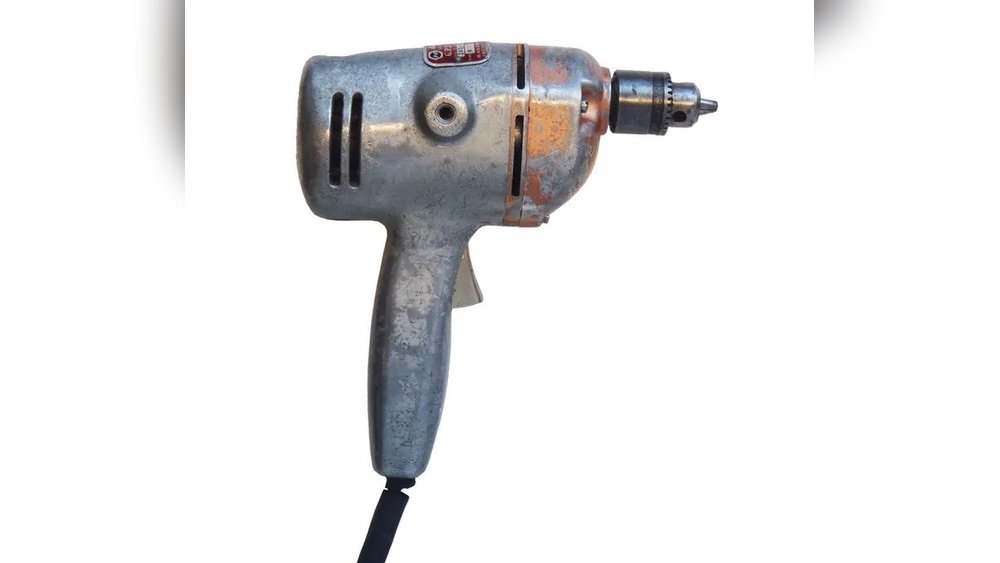
Manual drills were the first types of drills. People turned a handle by hand to spin the drill bit. This method needed a lot of effort and time. Later, wired drills appeared. They used electricity to spin the drill bit faster. These drills were heavier and needed to be plugged into an outlet. They made work easier but limited movement because of the cord.
Limitations Of Early Models
Early drills had many limits. Manual drills required physical strength and were slow. Wired drills depended on a power source, so users could not move freely. The cords sometimes got tangled or caused accidents. Also, early electric motors were not very strong or efficient. These limits pushed inventors to find better solutions. This search led to the invention of the cordless drill.

Credit: ronixtools.com
Invention Of The Cordless Drill
The invention of the cordless drill changed how people work with tools. It freed users from the limits of power cords. This tool brought more freedom to construction sites and homes.
Before the cordless drill, drills needed to be plugged in. This limited movement and made some jobs hard. The cordless drill gave workers a new way to drill holes anywhere.
Key Innovators
Black & Decker played a major role in creating the cordless drill. In 1961, they introduced the first portable model. This drill used nickel-cadmium batteries, a new technology at that time.
Other inventors and companies improved on this idea later. Each step made drills lighter and batteries last longer. These innovators helped make cordless drills common tools today.
Technological Breakthroughs
Battery technology was the main breakthrough for cordless drills. Early models used heavy, short-lasting batteries. Improvements in battery power and size made drills easier to use.
Electric motor advances also helped. Motors became smaller and more powerful. This allowed drills to be strong but light.
These changes made cordless drills practical for many jobs. They worked without cords and stayed strong for longer times.
First Release Year
The cordless drill first appeared in the early 1960s. This tool changed how people worked with wood and metal. It allowed users to move freely without worrying about cords. The release year marks an important moment in tool history.
Product Launch Details
The first cordless drill was launched in 1961. Black & Decker introduced the model 4.8-volt drill. It used rechargeable nickel-cadmium batteries. This innovation gave users more mobility. The drill was lightweight and easy to use. It aimed at both professionals and home users.
Initial Market Reception
The cordless drill quickly gained attention. Users liked the freedom it offered. Some concerns existed about battery life and power. Early models had limited run time. Despite this, many buyers embraced the new tool. It set the stage for future cordless tools.
Impact On Industry
The introduction of the cordless drill changed many industries. It brought new ways to work faster and easier. The tool made jobs simpler and safer. Businesses and workers quickly saw its benefits. It affected construction and home projects greatly.
Changes In Construction
Construction workers no longer needed to stay near power outlets. The cordless drill allowed work in hard-to-reach places. It reduced the time to complete tasks. Builders could carry fewer tools, lightening their load. Projects finished faster, saving money and effort. Safety improved as there were fewer cables on site. The drill helped workers focus on quality and speed.
Diy Culture Boost
The cordless drill made home projects easier for everyone. People felt more confident to fix and build things. It encouraged more people to try DIY tasks. The tool’s ease of use attracted beginners and hobbyists. Sales of cordless drills increased as demand grew. This created a culture of hands-on learning and creativity. Homes improved, and skills grew with each project.
Evolution Of Cordless Drills
The cordless drill has come a long way since its first release. It started as a simple tool with limited power and battery life. Over the years, many changes have made it easier to use and more efficient. Understanding the evolution of cordless drills shows how technology and design have improved. These improvements make today’s drills reliable and handy for many tasks.
Battery Improvements
Early cordless drills used heavy and weak batteries. They could run only for a short time before needing a recharge. New battery types, like lithium-ion, brought longer life and faster charging. These batteries are lighter and hold power better than old versions. This change made cordless drills last longer during work. It also reduced the drill’s overall weight, making it easier to handle.
Design Enhancements
Designs of cordless drills changed to improve comfort and control. Modern drills have ergonomic shapes that fit well in the hand. They include better grips to reduce slipping during use. The size and weight also became smaller and lighter. These changes allow users to work longer without getting tired. Many drills now have adjustable speed and torque for different jobs. This flexibility helps both beginners and experts complete tasks efficiently.
Credit: www.reddit.com
Future Trends
The cordless drill has changed a lot since its first release. It keeps evolving with new technology and ideas. The future holds exciting changes that make drills easier and better to use. These changes focus on smart features and being kind to the environment.
Smart Features
New cordless drills will have smart features built in. They can connect to phones or other devices. This helps users control speed and power with ease. Some drills can even learn from the user’s habits. This makes work faster and more accurate. Smart sensors may stop the drill if it senses danger. Safety and convenience improve with these new tools.
Sustainability Efforts
Making cordless drills more eco-friendly is a top priority. Companies use recycled materials for parts and packaging. Battery life is getting longer, reducing waste. Some drills use batteries that charge faster and last longer. Energy-efficient motors cut down power use. These steps help protect the planet while keeping tools strong and reliable.

Credit: www.reddit.com
Frequently Asked Questions
When Was The Cordless Drill First Invented?
The cordless drill was first invented in 1961 by Black & Decker. It revolutionized portable drilling by eliminating the need for power cords.
Who Created The First Cordless Drill?
Black & Decker introduced the first cordless drill in 1961, making it a pioneering innovation in power tools.
How Did Cordless Drills Change Tool Usage?
Cordless drills provided mobility and convenience. They allowed users to work without power outlets, improving efficiency and flexibility.
What Advancements Followed The Original Cordless Drill?
Battery technology improved significantly, moving from nickel-cadmium to lithium-ion batteries, enhancing drill runtime and power.
Conclusion
The cordless drill first appeared in the early 1960s. It changed how people worked with tools. No longer tied to a power outlet, users gained freedom. Today, cordless drills are common in homes and workshops. They come in many sizes and power levels.
Understanding their history helps appreciate their value. Tools keep getting better over time. The cordless drill’s journey shows progress in technology. It remains a handy tool for many tasks. Simple, useful, and easy to use.
