

Are you tired of lugging around heavy drills that slow you down? Choosing the right battery can make a big difference in how light and easy your cordless drill feels.
You might be wondering if lithium-ion batteries are actually lighter than nickel-cadmium (Ni-Cad) ones. This matters because a lighter drill means less fatigue and more control for your projects. Keep reading to discover how these two battery types compare and which one can give you the best balance of power and weight for your work.
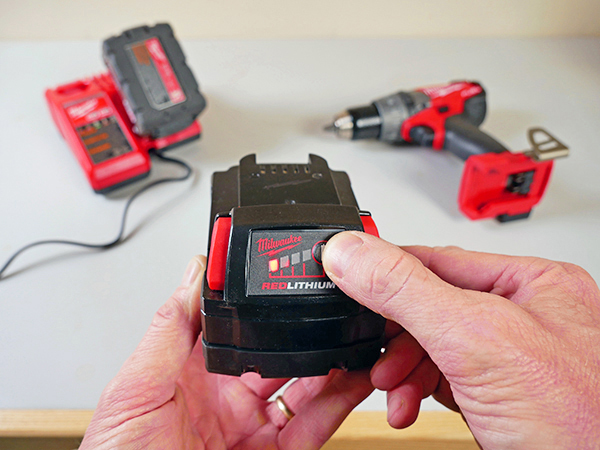
Credit: www.woodworkersjournal.com
Cordless Drill Battery Types
Cordless drills use different types of batteries to power their drills. The battery type affects the drill’s weight, power, and how long it lasts. Two common types are lithium ion and nickel cadmium. Each has unique features that impact your drilling experience.
Lithium Ion Batteries
Lithium ion batteries are lighter than many other types. They hold more power and last longer on a single charge. These batteries do not lose charge quickly when not in use. They work well in cold weather and have no memory effect. This means they keep their full capacity over time. Many modern cordless drills use lithium ion batteries for better performance.
Nickel Cadmium Batteries
Nickel cadmium batteries are heavier than lithium ion batteries. They are older technology but still common in some drills. These batteries can handle rough use and charge fast. They suffer from memory effect, which reduces battery life if not fully charged or discharged. Nickel cadmium batteries also lose power faster when not in use. They cost less but add more weight to the drill.
Weight Comparison
Weight plays a big role in choosing cordless drill batteries. Lighter batteries make drills easier to carry and use for long periods. Comparing lithium-ion and nickel-cadmium (Ni-Cad) batteries shows clear differences in weight. This section explains what affects battery weight and typical weight differences between these two types.
Battery Weight Factors
Battery weight depends on size, materials, and design. Lithium-ion batteries use lighter materials than Ni-Cad. The energy density of lithium-ion cells is higher, so they store more power in less space. Ni-Cad batteries have heavier metals and require larger cells to store the same energy. The battery casing also adds to total weight. Manufacturers try to balance weight with battery life and power.
Typical Weight Differences
On average, lithium-ion batteries weigh 30% to 50% less than Ni-Cad batteries. A typical 18V lithium-ion pack weighs around 1 to 1.5 pounds. The same Ni-Cad battery can weigh 2 to 3 pounds. This difference affects the drill’s overall weight and handling. Lighter lithium-ion batteries reduce user fatigue during long jobs. Ni-Cad batteries feel bulkier and heavier, limiting ease of use.
Performance And Efficiency
Performance and efficiency are key factors when choosing cordless drill batteries. These qualities affect how well the drill works and how long it lasts during tasks. Battery type plays a big role in these areas. Comparing lithium-ion (Li-ion) and nickel-cadmium (Ni-Cad) batteries helps understand their strengths and weaknesses.
Power Output
Li-ion batteries deliver more consistent power than Ni-Cad types. They maintain steady voltage throughout use, which means the drill runs smoothly. Ni-Cad batteries tend to lose power as they discharge. This can cause the drill to slow down or stall during tough jobs.
Higher power output from Li-ion batteries helps in heavy-duty drilling. Users notice better torque and faster speeds. Ni-Cad batteries may struggle with high-demand tasks. This difference makes Li-ion a better choice for performance.
Battery Life And Run Time
Li-ion batteries offer longer run times on a single charge. They hold more energy relative to their size and weight. Ni-Cad batteries have a shorter run time and need more frequent charging.
Li-ion cells also suffer less from memory effect. Ni-Cad batteries lose capacity if not fully discharged before recharging. This reduces their overall lifespan and efficiency.
In daily use, Li-ion batteries provide more work time. They recharge faster too. This means less downtime and more productivity on the job.

Credit: www.ebay.com
Durability And Maintenance
Durability and maintenance play a big role in choosing the right battery for your cordless drill. These factors affect how long the battery lasts and how well it performs over time. Lithium-ion and NiCad batteries differ in these areas, making it important to understand their strengths and weaknesses.
Memory Effect
NiCad batteries suffer from memory effect. This means they lose capacity if not fully discharged before recharging. Over time, this reduces the battery’s run time. Lithium-ion batteries do not have this problem. They can be charged anytime without losing capacity. This makes lithium-ion easier to maintain and more reliable for daily use.
Charge Cycles
Charge cycles refer to the number of times a battery can be charged and discharged. NiCad batteries usually last for about 500 charge cycles. After this, their performance drops significantly. Lithium-ion batteries typically last between 1000 and 1500 charge cycles. This means lithium-ion batteries have a longer usable life. They keep their power longer and need fewer replacements.
Cost And Availability
Cost and availability play a big role in choosing between cordless drill lithium-ion and NiCad batteries. Many buyers check prices before deciding. Availability affects how easy it is to replace or upgrade batteries. Both factors influence user experience and satisfaction.
Price Differences
NiCad batteries usually cost less than lithium-ion batteries. Manufacturing costs for NiCad remain lower. Lithium-ion batteries use newer technology, making them pricier. Over time, lithium-ion prices have dropped but still stay higher. Buyers often weigh upfront cost against battery life and performance. NiCad might save money initially. Lithium-ion offers better value long term due to longer life.
Market Trends
Lithium-ion batteries grow more common in cordless drills. Tool makers focus on lithium-ion for improved power and weight. NiCad batteries appear less in new models. Many stores stock more lithium-ion options now. This shift increases lithium-ion availability worldwide. Users find lithium-ion batteries easier to purchase today. NiCad remains in some niche markets but fades overall.
Choosing The Right Battery
Choosing the right battery for your cordless drill is important. The battery affects power, weight, and work time. Picking the best type depends on what you need the drill for. Understanding the differences helps you make a smart choice. Below, we explore key factors to consider.
Job Requirements
Think about the tasks you will do with the drill. Heavy jobs need more power and longer battery life. Lithium-ion batteries give steady power and last longer. NiCad batteries may lose charge faster. For tough work, choose a battery that keeps up.
Portability Needs
How often will you carry your drill around? Lithium-ion batteries are lighter and smaller than NiCad ones. This makes your drill easier to hold and move. If you work in tight spaces or carry the drill for hours, a lighter battery helps reduce fatigue.
Credit: www.ebay.com
Frequently Asked Questions
Are Lithium-ion Cordless Drill Batteries Lighter?
Yes, lithium-ion batteries are significantly lighter than Ni-Cad batteries. They use advanced materials and higher energy density, reducing overall weight and improving tool handling and comfort.
How Do Ni-cad And Lithium-ion Batteries Differ In Weight?
Ni-Cad batteries are heavier due to older technology and lower energy density. Lithium-ion batteries are compact, lighter, and provide longer runtime for cordless drills.
Why Are Lithium-ion Batteries Preferred For Cordless Drills?
Lithium-ion batteries offer lighter weight, longer life, and faster charging. They reduce user fatigue and enhance tool performance compared to Ni-Cad batteries.
Do Lighter Lithium-ion Batteries Affect Drill Power?
No, lithium-ion batteries provide consistent power despite being lighter. They maintain high voltage and performance, matching or exceeding Ni-Cad battery output.
Conclusion
Cordless drills with lithium-ion batteries weigh less than Ni-Cad ones. This makes them easier to carry and use for long times. Lithium-ion batteries also last longer and charge faster. Ni-Cad batteries are heavier and can lose power quickly. Choosing a lighter drill helps reduce hand fatigue.
It also improves work speed and comfort. Overall, lithium-ion batteries offer clear benefits in weight and performance. This helps both beginners and experienced users work better.
