



If you have a pacemaker, you probably wonder if everyday tools like a cordless drill could affect it. You might ask yourself, “Can using a cordless drill cause my pacemaker to malfunction?”
This question is important because your safety comes first. You’ll discover the facts about cordless drills and pacemakers. You’ll learn what risks, if any, exist and how to protect yourself while working. Keep reading to get clear, simple answers that help you feel confident and safe.
How Pacemakers Work
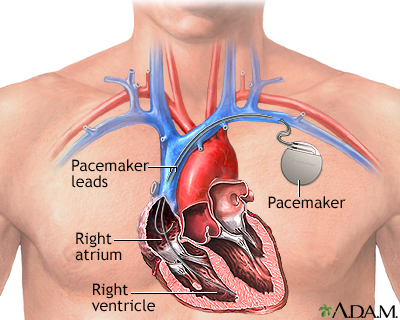
Pacemakers are small devices placed inside the body. They help control the heartbeat. Understanding how they work helps us learn if cordless drills can cause problems.
These devices send electrical signals. The signals keep the heart beating at a steady pace. They work quietly, without causing pain or discomfort.
Basic Functions
A pacemaker monitors the heart’s rhythm. It checks if the heart beats too slow or skips beats. When needed, it sends tiny electrical pulses. These pulses tell the heart to beat properly. The device adjusts its signals based on the heart’s needs. It works all day and night to keep the heart steady.
Sensitivity To Interference
Pacemakers can be sensitive to strong electrical signals. They may mistake these signals for heartbeats. This can cause the device to stop sending pulses at the right time. Some machines and tools create strong electric or magnetic fields. These fields can interfere with the pacemaker’s signals. Understanding this helps us know what devices are safe to use nearby.

Credit: ufhealth.org
Cordless Drills And Their Technology
Cordless drills are popular tools for many tasks around the home and job sites. They offer freedom of movement without being tied to a power cord. This is possible because of the technology inside these drills. Understanding this technology helps to see if they can affect medical devices like pacemakers.
These drills mainly rely on batteries and electric motors. They generate power to spin the drill bit quickly. The type of battery and the electric signals they produce are important when thinking about safety and interference.
Battery Types
Cordless drills use different battery types. Most common are lithium-ion and nickel-cadmium batteries. Lithium-ion batteries are lighter and last longer. Nickel-cadmium batteries are older but still found in some models.
Batteries store and release electrical energy. This energy runs the drill motor. The quality of the battery affects how the drill performs. It also impacts the electric and magnetic fields around the drill.
Electromagnetic Emissions
Electric motors in drills create electromagnetic fields. These fields are usually very weak and short-range. The drill’s electronics are designed to keep these emissions low. This helps reduce the chance of interference with other devices.
Pacemakers can be sensitive to strong electromagnetic fields. But cordless drills emit much less than many common household electronics. The risk of interference is very low with normal use. Staying a safe distance from the chest area adds extra safety.
Potential Interference Risks
Using a cordless drill near a pacemaker raises questions about safety. The main concern is electromagnetic interference (EMI). This interference could affect the device’s function. Understanding these risks helps users stay safe and informed.
Electromagnetic Interference Explained
Electromagnetic interference occurs when electrical devices emit signals. These signals can disrupt nearby electronics. A pacemaker is sensitive to such signals because it monitors heart rhythms. Strong electromagnetic fields may confuse the pacemaker. This confusion can cause it to misread or misfire. Cordless drills use batteries and motors that create electromagnetic fields. The risk depends on the drill’s strength and distance from the pacemaker. Small, brief exposures usually cause no harm. Larger, close exposures might pose some risk.
Reported Cases And Studies
Few studies focus directly on cordless drills and pacemakers. Most research covers industrial tools and medical environments. Some reports note mild interference from power tools. These cases often involve older pacemaker models. Modern pacemakers have better shielding against interference. Medical professionals advise keeping tools at least six inches away. No widespread reports show serious problems from cordless drills. Users with pacemakers should still exercise caution. Always consult a doctor about specific risks.
Safety Precautions For Pacemaker Users
People with pacemakers must be cautious around electronic devices. Cordless drills use batteries and motors that create magnetic fields. These fields might affect pacemaker function. Taking safety steps reduces any risk of interference. Understanding how to handle cordless drills safely helps protect your health.
Distance Recommendations
Keep cordless drills at least 6 inches away from your pacemaker. This distance lowers the chance of magnetic interference. Avoid holding the drill near your chest or pocket. Use the tool on the opposite side of your body. Always check your pacemaker manual for specific distance advice.
Safe Usage Tips
Turn off the drill when not in use. Use short bursts instead of long continuous runs. Hold the drill firmly to control its direction. Avoid using the drill near your chest area. If you feel unusual symptoms, stop immediately and consult your doctor. Regular pacemaker check-ups ensure safe device function.
When To Consult Your Doctor
Knowing when to consult your doctor about using a cordless drill with a pacemaker is very important. Some tools can cause interference with pacemakers, but not all do. Taking the right steps keeps you safe and healthy.
Talk to your doctor if you feel unsure or notice any odd feelings while using a cordless drill. Your doctor can give advice based on your specific health needs. Early action can prevent bigger problems.
Symptoms To Watch For
Watch for dizziness, chest pain, or irregular heartbeat during or after using the drill. Feeling weak or unusually tired can also be a sign. These symptoms may mean your pacemaker is affected.
Stop using the drill if you notice any strange feelings. Seek medical help quickly. Do not ignore these signs, as they show your heart may be under stress.
Professional Testing Options
Doctors use special tests to check if devices interfere with your pacemaker. Electromagnetic interference tests simulate real-life use of tools like drills. These tests help find any risks before you use the tool regularly.
Your doctor may also adjust your pacemaker settings if needed. This keeps your device working well even around power tools. Always follow your doctor’s advice after testing.
Credit: sbrmc.adam.com
Alternative Tools And Solutions
People with pacemakers worry about cordless drills and other power tools. Some tools create electromagnetic interference (EMI). EMI can affect pacemaker function. Choosing the right tools lowers this risk. Here are some alternatives that keep safety in mind.
Low-emi Tools
Low-EMI tools produce less electromagnetic interference. They are safer for pacemaker users. These drills use special motors and shielding. This reduces the magnetic field around the tool. Low-EMI cordless drills offer good power with less risk.
Brands often label these tools as “EMI safe” or “pacemaker friendly.” Check product details before buying. Using these tools helps protect your heart device during work.
Manual Options
Manual tools do not use electricity or batteries. They create no EMI. This makes them the safest choice for pacemaker users. Hand drills, screwdrivers, and wrenches work well for many tasks.
Manual tools require more effort but offer full peace of mind. They are ideal for small jobs or occasional use. Keep a set of manual tools handy to avoid risks from power tools.
:max_bytes(150000):strip_icc()/heart-pacemaker-in-cardiologist-s-hand-136997842-599c353b68e1a20010517f26.jpg)
Credit: www.verywellhealth.com
Frequently Asked Questions
Can Cordless Drills Affect Pacemaker Function?
Cordless drills emit low electromagnetic fields that usually do not interfere with pacemakers. Most pacemakers are shielded against such interference. However, it’s best to maintain a safe distance to avoid any rare risks.
How Close Can A Cordless Drill Be To A Pacemaker?
Experts recommend keeping cordless drills at least 6 inches away from pacemakers. This distance helps prevent any potential electromagnetic interference. Always consult your doctor for specific safety guidelines.
Are All Pacemakers Equally Resistant To Cordless Drills?
Modern pacemakers have strong shielding against electromagnetic interference. Older models may be more vulnerable to cordless drill emissions. Regular check-ups ensure your pacemaker’s safety around electronic tools.
What Should Pacemaker Users Do When Using Power Tools?
Pacemaker users should read manufacturer guidelines and maintain a safe distance from power tools. If unsure, consult a cardiologist before operating cordless drills or similar devices.
Conclusion
Cordless drills usually do not affect pacemakers. The small electric signals they produce are weak. Most pacemakers have strong shields against interference. Still, it is wise to keep some distance. Avoid holding the drill close to your chest. Talk to your doctor for personal advice.
Safety comes first with any tool or device. Staying informed helps you use tools safely every day. Care and caution make all the difference.
