


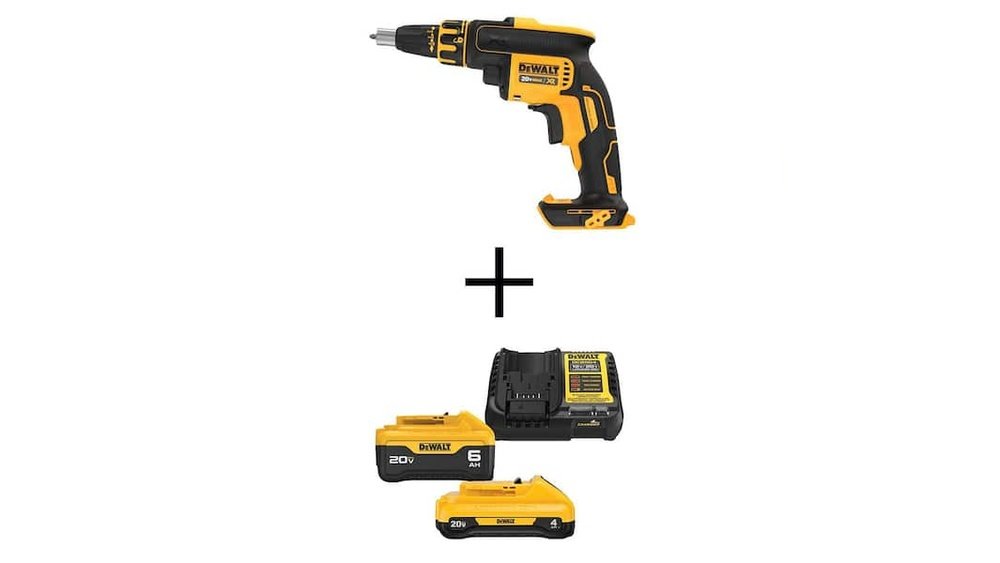
Have you ever picked up your cordless drill only to wonder how long its battery will last when it’s not even working? Knowing how long your drill’s battery runs with no load can save you from unexpected stops and help you plan your projects better.
You’ll discover the real answer to how long your cordless drill battery holds up when it’s just sitting idle. By understanding this, you’ll get more control over your tools and avoid those frustrating moments when your battery dies out of nowhere.
Keep reading to learn what affects battery life and how you can make your drill last longer between charges.
Credit: www.aliexpress.com
Factors Affecting Battery Life
Battery life is not the same for every cordless drill. Several factors change how long a battery runs without load. These factors help you understand what affects battery performance. Knowing these can help you take better care of your drill’s battery.
Each factor plays a role in how long the battery lasts during use. Let’s explore the main ones that impact battery life the most.
Battery Capacity And Type
Battery capacity is measured in amp-hours (Ah). Higher capacity means longer run time. Different battery types, like lithium-ion or nickel-cadmium, also affect life. Lithium-ion batteries usually last longer and hold charge better.
Nickel-cadmium batteries tend to lose power faster. The type and size of the battery directly influence how long your drill runs without load.
Age And Condition Of Battery
Older batteries hold less charge. Over time, battery cells degrade and lose power. Using a worn-out battery reduces run time. Proper charging and storage can help extend battery life. Avoid leaving batteries fully discharged for long periods.
Regular use keeps batteries healthy. But if the battery is damaged or swollen, it needs replacement.
Temperature Effects
Extreme temperatures hurt battery life. Cold weather slows down the battery’s ability to hold charge. Hot temperatures cause faster wear and tear. Store batteries in a cool, dry place. Avoid using the drill in very hot or cold conditions.
Maintaining a moderate temperature helps keep the battery healthy and lasting longer.
Drill Usage Patterns
The way you use your drill impacts battery life. Frequent heavy use drains the battery quickly. Running the drill with no load uses less power. Starting and stopping often can reduce battery efficiency.
Consistent, moderate use is best for battery health. Avoid overworking the drill to get longer battery life.
Typical Run Times For Cordless Drill Batteries
Understanding the typical run times of cordless drill batteries helps users plan their work better. Battery life affects how long the drill can operate without recharging. No-load runtime means the drill runs without any weight or pressure on the bit. This shows the maximum time the battery can last in ideal conditions. Knowing these details avoids unexpected stops during projects.
Average No-load Runtime
Most cordless drill batteries run between 20 to 60 minutes with no load. Smaller batteries, like 1.5Ah or 2.0Ah, last closer to 20 minutes. Larger batteries, such as 4.0Ah or 5.0Ah, can run up to 60 minutes or more. The runtime depends on the battery’s capacity and condition. Newer batteries usually hold charge longer than older ones.
Differences Between Battery Brands
Battery brands affect runtime due to different technologies and materials. Some brands use better cells that hold more charge. Others might focus on lightweight designs but sacrifice runtime. Brand reputation often reflects battery quality and lifespan. Choosing a well-known brand can ensure more reliable and longer run times.
Impact Of Battery Voltage
Battery voltage impacts the power and runtime of cordless drills. Higher voltage batteries, like 18V or 20V, deliver more power and usually longer runtime. Lower voltage batteries, such as 12V, are lighter but run shorter. The right voltage depends on the job’s power needs and how long you want to work. Balancing voltage and capacity helps find the best runtime for tasks.
How To Test Battery Run Time
Testing the battery run time of a cordless drill under no load helps you understand its health and efficiency. This test shows how long the battery lasts when the drill runs without any resistance. It gives a clear idea of battery life and helps spot problems early.
Preparing For A No-load Test
Start by fully charging the battery. Make sure the drill is clean and dry. Remove any attachments or bits from the drill. Choose a safe place to perform the test. Avoid places with extreme temperatures or moisture. Use the drill at its normal speed setting for consistent results.
Measuring Battery Duration Accurately
Turn on the drill without any load. Use a stopwatch or timer to track how long it runs. Stop the timer when the drill stops working or slows down significantly. Record the total run time in minutes. Repeat the test at least twice for accuracy. Take the average of your recorded times.
Interpreting Test Results
Compare the run time with the battery’s rated capacity. Shorter run times indicate battery wear or damage. Consistent run times show the battery is healthy. If the run time varies a lot, the battery may have a problem. Consider replacing the battery if run time is much lower than expected.

Credit: colonyglamping.com
Extending Battery Life And Run Time
Extending the battery life and run time of a cordless drill is important for better performance. Proper care helps the battery last longer and keeps the drill ready to use. Small steps can make a big difference in how long the battery holds its charge.
Following good habits can save money and reduce frustration from a dead battery during work.
Proper Charging Practices
Use the charger that comes with the drill. It matches the battery type and power needs. Charge the battery fully before the first use. Avoid charging it for too long after it is full. Unplug the charger once the battery reaches 100% to prevent damage.
Storage Tips
Store batteries in a cool, dry place. Avoid places with high heat or moisture. Keep batteries at about half charge if not using them for a long time. This helps keep the battery healthy and ready for use. Do not leave batteries inside the drill when not in use.
Avoiding Overheating
Overheating reduces battery life. Give the drill breaks during heavy work. Avoid running the drill nonstop for long periods. Stop if the battery or drill feels hot. Let them cool down before continuing work.
Regular Maintenance
Clean battery contacts regularly with a dry cloth. Remove dust and dirt that can block power flow. Check for damage or swelling in the battery. Replace old or damaged batteries to keep performance high. Regular checks ensure safe and smooth operation.
Signs Of Battery Wear And Replacement
Knowing the signs of battery wear helps keep your cordless drill working well. Batteries lose power over time. They need attention to avoid sudden stops during work.
Watch for changes in how long your drill runs without load. Check the battery’s physical condition often. Early detection of problems saves time and money.
Reduced Run Time Indicators
One clear sign is shorter battery life. Your drill runs less than before on a full charge. It may stop quickly even when not under heavy use. This means the battery holds less power now. Consistent drop in run time signals wear.
Swelling Or Damage
Swollen batteries are dangerous and must not be used. Look for bulges or cracks on the battery case. Any leakage or strange smell means damage. These issues show the battery is failing inside. Damaged batteries can cause tool failure or safety hazards.
When To Replace Your Battery
Replace the battery if it won’t hold a charge well. If run time drops by half or more, it’s time. Swollen or damaged batteries need immediate replacement. Also, if the drill shuts off suddenly, suspect battery problems. New batteries restore power and prevent work interruptions.
Popular Cordless Drill Battery Types
Cordless drills use different types of batteries. Each type affects how long the battery lasts without load. Battery type also impacts the drill’s power and weight. Understanding these battery types helps choose the right cordless drill.
Lithium-ion Batteries
Lithium-ion batteries are the most popular choice today. They offer long run time and fast charging. These batteries are lightweight, which makes drills easier to handle. They do not suffer from memory effect, so they hold charge well. Lithium-ion batteries also last longer in overall life span.
Nickel-cadmium Batteries
Nickel-cadmium batteries were common before lithium-ion. They are heavier and have lower capacity. These batteries can suffer from memory effect, reducing their life. They are more affordable but need full discharge before charging. NiCd batteries can work well in cold weather.
Nickel-metal Hydride Batteries
Nickel-metal hydride batteries have higher capacity than NiCd. They are lighter and less toxic than nickel-cadmium. These batteries have less memory effect but still need care. They offer moderate run time and are less expensive than lithium-ion. NiMH batteries are a middle ground option for cordless drills.
Choosing The Right Battery For Your Drill
Choosing the right battery for your cordless drill is important for good performance. The battery affects how long the drill runs and how powerful it feels. Picking the best battery can save you time and effort during your projects.
Different drills need different batteries. Not all batteries fit every model. Using the correct battery keeps the drill working well and avoids damage. Check your drill’s manual or label to find the right battery type and size.
Matching Battery To Drill Model
Every cordless drill is designed for a specific battery type. Using a battery that matches your drill model ensures proper fit and function. Look for the voltage and connector style specified by the maker. This match helps the drill run smoothly and last longer.
Considering Run Time Needs
Battery capacity affects how long your drill can run without stopping. Higher capacity means longer run time but often a larger battery size. Think about your typical use. For short jobs, a smaller battery may work fine. For longer tasks, choose one with more capacity to avoid frequent charging.
Budget Vs Performance
Batteries come in different price ranges. Cheaper batteries may have lower capacity and shorter life. Higher-priced batteries often last longer and perform better. Balance your budget with your needs. Sometimes spending a bit more saves money over time by avoiding replacements.

Credit: www.ebay.com
Frequently Asked Questions
How Long Does A Cordless Drill Battery Last Without Load?
A cordless drill battery typically lasts 30 to 60 minutes without load. The exact time depends on battery capacity and age. Newer batteries with higher mAh ratings run longer. No-load runtime is shorter than during actual use due to less power draw.
What Affects Cordless Drill Battery Run Time?
Battery capacity, age, and temperature affect run time. Higher mAh means longer use. Older batteries lose capacity, reducing runtime. Cold temperatures also decrease battery efficiency. Usage type impacts battery life too.
How Can I Extend My Drill Battery Life?
To extend battery life, fully charge before use. Avoid deep discharges and store batteries in cool, dry places. Use the drill moderately and avoid overheating. Regularly clean battery contacts for better efficiency.
Is No-load Battery Run Time Accurate For Real Use?
No-load run time is not fully accurate for real work. It shows maximum potential runtime without resistance. Actual runtime is shorter due to drill load and power demands. Consider no-load time as an estimate only.
Conclusion
Cordless drill batteries usually run between 20 and 60 minutes without load. This depends on battery type and capacity. Lithium-ion batteries tend to last longer than older ones. Remember, actual run time changes with work intensity. Knowing no-load run time helps plan your projects better.
Keep your battery charged to avoid interruptions. Regular maintenance also extends battery life. Choose the right battery for your needs. Small tasks may need less power, big jobs more. Understanding battery life saves time and effort during work.
