

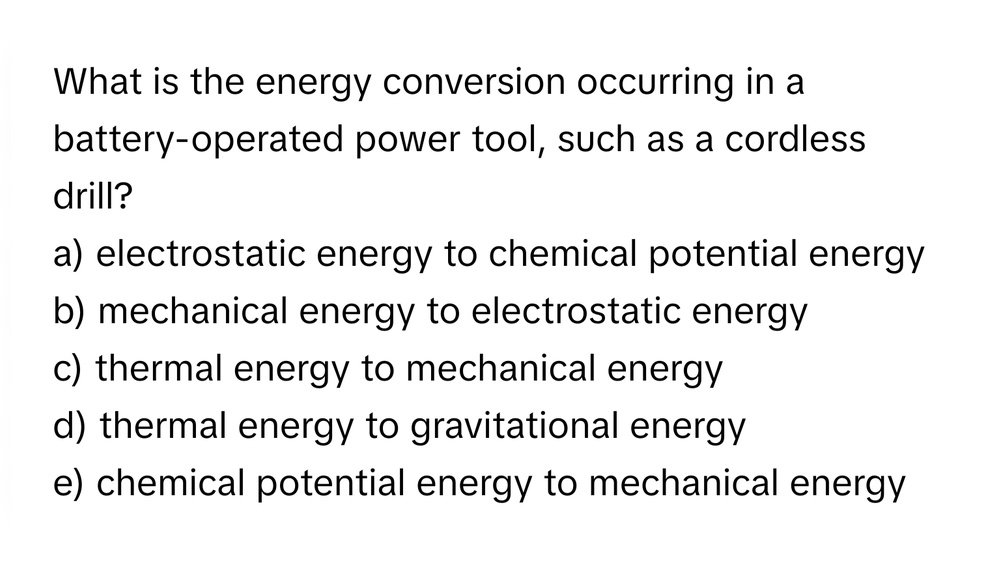
A battery operated power tool such as a cordless drill converts energy in a way that makes your work easier and more efficient. Have you ever wondered how your cordless drill packs so much power without a cord holding you back?
Understanding this simple yet powerful conversion can change how you use your tools and boost your DIY skills. Keep reading, and you’ll discover the secret behind the energy that drives your cordless drill—and why it matters to every project you tackle.

Credit: manuals.plus
Energy Types In Cordless Drills
Cordless drills use different types of energy to work. Understanding these energy types helps explain how the tool runs without a cord. The main energy source is the battery. It stores and provides power to the drill. This power changes form to make the drill spin and do its job.
Chemical Energy In Batteries
Batteries hold chemical energy inside them. This energy comes from the materials and chemicals in the battery cells. When the drill is turned on, a chemical reaction starts inside the battery. This reaction releases energy. The energy moves from the battery to the drill. This process lets the battery store power for later use. It also allows the drill to work without being plugged in.
Electrical Energy Conversion
The chemical energy in the battery changes into electrical energy. This electrical energy flows through wires inside the drill. It powers the motor, which makes the drill bit spin. The motor uses this electrical energy to create movement. This change from chemical to electrical energy is key. It allows cordless drills to be portable and easy to use.

Credit: www.ebay.com
Mechanics Of Power Conversion
Power tools like cordless drills convert electrical energy into mechanical energy. This process allows the tool to perform tasks such as drilling or driving screws. Understanding how this conversion works helps appreciate the tool’s design and efficiency.
Electric Motor Function
The heart of a cordless drill is its electric motor. It uses electricity from the battery to create motion. Inside the motor, magnets and coils interact to produce rotation. This rotation spins the drill bit or driver. The motor changes electrical power into mechanical power quickly and efficiently.
Torque And Speed Control
Torque is the force that turns the drill bit. Speed is how fast the bit spins. The drill controls both to match the task. Higher torque helps with tough materials. Lower speed prevents damage and improves control. This balance makes cordless drills versatile and safe.
Efficiency Factors
Efficiency plays a big role in how well a cordless drill works. It affects how long the drill runs and how powerful it feels. Several key factors affect this efficiency. Understanding these helps you pick the right tool and use it better.
Battery Capacity And Life
The battery stores the energy the drill uses. A larger capacity means the drill runs longer before needing a recharge. Battery life shows how many charge cycles it can handle. Longer battery life means fewer replacements and lower cost over time.
Battery type also matters. Lithium-ion batteries offer better energy storage and last longer. They keep a steady power output until nearly empty. This helps the drill work at full strength for longer periods.
Motor Efficiency
The motor turns electrical energy into motion. A more efficient motor wastes less power as heat. This means more energy goes into driving the drill bit. Brushless motors are common now. They use less power and run cooler than brushed motors.
Efficient motors also improve battery life. They use less energy for the same work. This leads to longer operating time between charges.
Energy Losses
Some energy always gets lost during use. This happens as heat, friction, and electrical resistance. Good design reduces these losses. For example, quality bearings lower friction inside the tool.
Electrical resistance in wires and connections also wastes energy. Using thicker wires and solid contacts helps. Less energy loss means better performance and longer battery life.
Advantages Of Cordless Power Tools
Cordless power tools offer many benefits over traditional plugged-in tools. They provide freedom to work without being tied to a power outlet. These tools run on batteries, making them easy to carry and use anywhere. Their design improves efficiency and comfort for various tasks.
Many people choose cordless tools for home repairs and professional work. They are ideal for both indoor and outdoor projects. Using cordless tools means fewer obstacles and less setup time.
Portability And Convenience
Cordless power tools are lightweight and easy to move. No cords limit your reach or cause tripping hazards. You can work in tight spaces or far from power sources. Batteries recharge quickly, so tools stay ready for use. This convenience saves time and effort every day.
Safety Benefits
No cords reduce the risk of accidents on the job. You avoid tripping and electrical shocks from damaged cords. Cordless tools also prevent sparks that can cause fires. The battery power system is safer for wet or outdoor conditions. Using cordless tools means a safer work environment overall.
Innovations In Battery Technology
Innovations in battery technology have greatly improved cordless drills and other power tools. These advances help tools run longer and charge faster. Users get more power without the weight or bulk of old batteries.
New battery types offer better energy storage and efficiency. This means drills work harder and last through tough jobs. The focus is on making batteries lighter, safer, and more reliable.
Lithium-ion Advances
Lithium-ion batteries are now the standard for cordless drills. They hold more energy than older nickel-cadmium types. This allows tools to run longer on a single charge.
These batteries are lighter, which reduces user fatigue. They also have a low self-discharge rate. That means they keep their charge longer when not in use.
Improved battery cells deliver consistent power output. This helps drills perform smoothly during heavy-duty tasks. Manufacturers continue to enhance battery chemistry for even better results.
Charging Improvements
Charging technology has evolved alongside battery design. Fast chargers can now refill batteries in under an hour. This reduces downtime and keeps work moving.
Smart chargers monitor battery health during charging. They prevent overcharging, which extends battery life. Some chargers also balance cell charge for better performance.
Wireless and portable charging options are emerging. These add convenience on job sites without easy power access. Overall, charging improvements make cordless drills more practical and efficient.

Credit: www.ebay.com
Practical Applications
Battery operated power tools, like cordless drills, offer great convenience and flexibility. They do not need a power outlet, allowing use in many places. These tools save time and effort, making tasks easier and faster. Their practical applications cover many areas, from home projects to professional jobs.
Home Improvement
Cordless drills help with many home tasks. They drill holes in walls for shelves or pictures. They also drive screws to build furniture or fix cabinets. These tools work well in tight spaces without cords. Homeowners appreciate their light weight and easy use. Battery power means working outside or in basements is simple. Cordless drills make small repairs quick and less tiring.
Professional Use Cases
Professionals use cordless drills for jobs on site. Electricians drill holes for wiring in walls and floors. Carpenters build frames and install drywall fast. Plumbers use them to fit pipes and fixtures. These tools run long on a full battery, supporting long work hours. Battery tools reduce the need for heavy cords and outlets. This increases safety and mobility on job sites.
Frequently Asked Questions
What Energy Does A Cordless Drill Convert?
A cordless drill converts electrical energy stored in its battery into mechanical energy. This mechanical energy powers the drill bit to rotate.
How Does A Battery Operated Power Tool Work?
It uses chemical energy from the battery and transforms it into electrical energy. This electrical energy then powers the motor to perform work.
Why Choose Cordless Drills Over Corded Ones?
Cordless drills offer portability and convenience. They allow users to work without power outlets, enhancing flexibility and ease of use.
What Types Of Batteries Power Cordless Drills?
Most cordless drills use lithium-ion or nickel-cadmium batteries. Lithium-ion batteries provide longer life and faster charging compared to others.
Conclusion
A battery operated power tool, like a cordless drill, changes electrical energy into mechanical motion. This allows you to work without a cord. It gives freedom to move and work in tight spaces. Batteries provide power, so you don’t need to plug in.
These tools are light and easy to carry. They help complete jobs faster and with less effort. Choosing the right cordless drill makes your tasks simpler. A strong battery means longer work time. Small, powerful, and handy – cordless drills are useful for many jobs.
