

Are you using a modified square wave inverter to charge your cordless drill and wondering if it could harm your valuable tool? You might be surprised how this simple choice can impact your drill’s battery life and performance.
You’ll discover the hidden risks and what you need to know to protect your equipment. Keep reading to make sure your cordless drill stays safe and works like new for years to come.
Modified Square Wave Inverters Explained
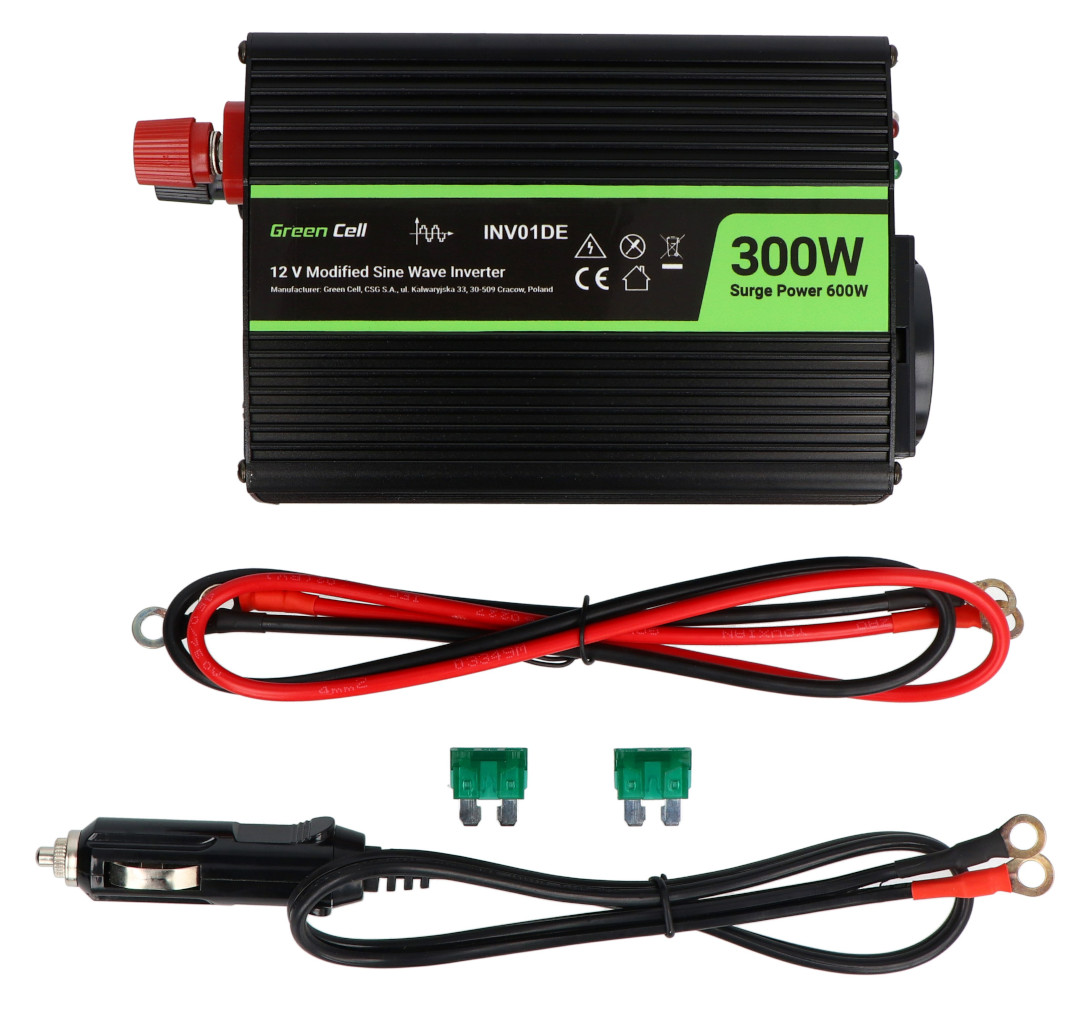
Modified square wave inverters change direct current (DC) into alternating current (AC). They produce a stepped waveform that is simpler than pure sine waves. This design makes them cheaper and easier to build. Many people use these inverters for basic power needs. Understanding how they work helps decide if they suit your tools and devices.
Basic Functionality
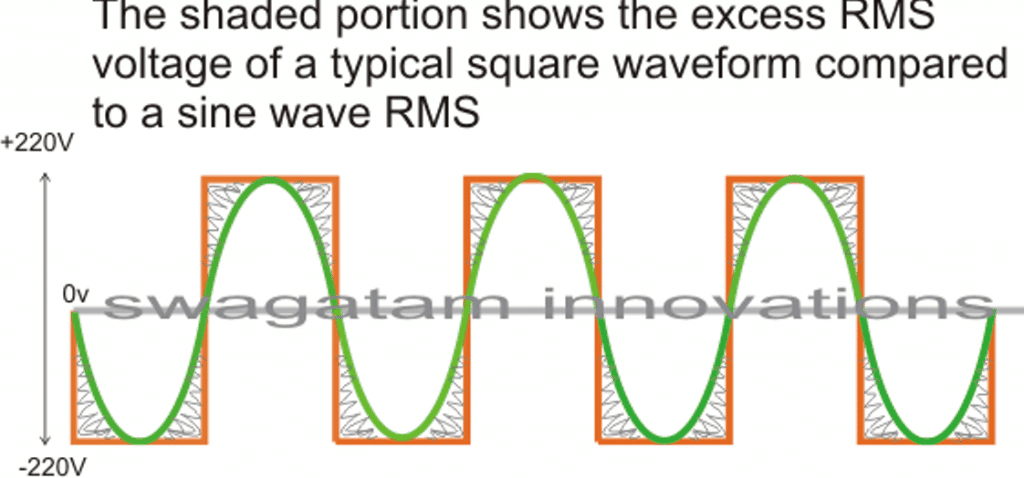
These inverters convert DC from batteries into AC power. The output looks like a stair-step wave, not a smooth curve. This shape works for many devices but can cause issues with sensitive electronics. The inverter switches the current on and off rapidly to create the waveform. This process creates a rough version of household electricity.
Common Uses
Modified square wave inverters power simple appliances and tools. They work well with lights, fans, and some chargers. Many use them for camping or off-grid power setups. They are common in low-cost solar systems. These inverters may not work well with devices that need clean power, like some cordless drill chargers.
Cordless Drill Chargers Basics
Cordless drill chargers are essential for keeping your tools ready. They provide power to rechargeable batteries inside the drill. Understanding how these chargers work helps prevent damage and extends battery life.
Chargers convert electricity from the wall outlet to a suitable form for the battery. Each charger has specific requirements to match the drill’s battery type and voltage. Using the wrong charger or power source may harm the battery or charger.
Charging Mechanism
Cordless drill chargers use a controlled process to charge batteries. They supply a steady current to avoid overheating or overcharging. The charger monitors battery voltage and adjusts the current accordingly.
Smart chargers stop charging once the battery is full. This feature protects the battery from damage. Some chargers also have safety features like temperature sensors.
Power Requirements
Each charger needs a specific input voltage, usually from a wall outlet. The output voltage and current must match the battery’s needs. Using a power source with incorrect voltage can cause damage.
Modified square wave inverters produce a type of power that may not be ideal. Chargers designed for pure sine wave power may not work well with modified square waves. This mismatch can harm the charger or battery over time.
Compatibility Concerns
Compatibility concerns are important when using a modified square wave inverter to charge a cordless drill. Not all devices respond well to this type of power. Some may face issues that can affect their performance or even cause damage. Understanding these concerns helps to avoid problems and keep your tools safe.
Voltage And Current Mismatch
Modified square wave inverters may not supply the exact voltage your drill charger needs. This can cause the charger to receive too much or too little power. Too high voltage can overheat and damage the charger. Too low voltage may prevent the battery from charging fully. Current mismatch also matters. If the inverter cannot provide steady current, it may harm the charger’s internal parts.
Waveform Impact
The waveform from a modified square wave inverter differs from pure sine wave power. Cordless drill chargers often expect clean sine wave input. The square wave can cause the charger’s circuits to work harder. This leads to overheating and faster wear. Some chargers have protective circuits, but not all. Using the wrong waveform risks shortening the charger’s life and reducing battery health.
Credit: botland.store
Potential Damage Risks
Using a modified square wave inverter to charge a cordless drill battery can cause several risks. These risks can affect the battery’s life and the charger’s performance. Understanding these risks helps in protecting your tools and avoiding extra costs.
Overheating Issues
Modified square wave inverters may cause the charger to overheat. The power they supply is not as smooth as pure sine wave inverters. This uneven power flow makes the charger work harder. Over time, this extra heat can damage the charger’s internal parts. Overheating can also reduce the battery’s ability to hold a charge.
Battery Degradation
Charging a cordless drill battery with a modified square wave inverter can wear out the battery faster. The battery may receive inconsistent voltage and current. These irregularities stress the battery cells. The result is less battery life and weaker performance. Frequent use of these inverters can lead to early battery failure.
Charger Malfunction
The charger might not work properly with a modified square wave inverter. The inverter’s power output can confuse the charger’s electronics. This confusion can cause the charger to stop working or charge incorrectly. Malfunctioning chargers may overcharge or undercharge the battery. Both conditions harm the battery and reduce safety.
Signs Of Charger Or Battery Damage
Signs of charger or battery damage often appear early but can be easy to miss. Spotting these signs helps prevent further harm to your cordless drill or inverter. Pay attention to how your charger and battery behave during use.
Reduced Charging Efficiency
One common sign is slower charging times. Your battery may take longer than usual to reach full power. Sometimes, the charger stops charging completely. This drop in efficiency means the battery or charger might be failing. It can also reduce the runtime of your cordless drill.
Unusual Heat Generation
Excessive heat during charging is a warning. Chargers and batteries should stay cool or only slightly warm. Hot chargers or batteries risk damage or even fire. Feeling high heat means the device is struggling. Stop using it immediately to avoid danger.
Physical Damage Indicators
Look for cracks, swelling, or leaks on the battery or charger. Damaged casing or loose parts show wear or failure. Swollen batteries can burst or leak harmful chemicals. Any visible damage means you should replace the item. Do not attempt to repair damaged batteries or chargers yourself.
Credit: www.homemade-circuits.com
Safe Usage Tips
Using a modified square wave inverter for charging cordless drills requires care. Safe usage protects your tools and extends their life. Following simple tips helps avoid damage and keeps charging smooth.
Choosing The Right Inverter
Select an inverter that matches your drill’s power needs. Check the voltage and wattage ratings carefully. Using an inverter with too low power can cause slow charging or damage. A good fit ensures efficient and safe energy flow to your drill.
Monitoring Charging Process
Keep an eye on your drill while it charges. Watch for overheating or unusual noises. Stop charging if the drill or inverter feels hot. Checking regularly prevents problems and keeps your tools safe.
Avoiding Prolonged Exposure
Do not leave the drill charging for too long. Overcharging can harm the battery and reduce its life. Unplug the inverter once charging is complete. Shorter charging times help maintain battery health and performance.
Alternatives To Modified Square Wave Inverters
Modified square wave inverters may harm sensitive tools like cordless drill chargers. Choosing the right power source protects your devices and ensures smooth charging. Several alternatives provide safer and cleaner power for your tools.
Pure Sine Wave Inverters
Pure sine wave inverters produce clean and smooth electricity. This type of power matches the electricity from your home outlets. It reduces the risk of damage to chargers and electronics. Pure sine wave inverters help cordless drill batteries charge properly. They also extend the life of your power tools.
Other Power Sources
Other power sources include generators and direct battery chargers. Fuel generators give steady power and work well outdoors. Battery chargers plug directly into your vehicle or wall socket. These options avoid the electrical noise made by modified inverters. Choose power sources that fit your tool’s needs for best results.
Expert Recommendations
Experts share key advice on using modified square wave inverters with cordless drill chargers. Understanding their tips helps avoid damage and ensures safe use. Follow trusted sources for the best results.
Manufacturer Guidelines
Check the charger’s manual before connecting to any inverter. Some chargers only accept pure sine wave power. Modified square wave inverters may cause overheating or failure. Always use the recommended power source type. Ignoring these rules can void warranties or cause harm. Keep instructions nearby for quick reference.
Professional Advice
Electricians suggest testing inverters with less sensitive devices first. Use a multimeter to measure output quality. Choose a pure sine wave inverter for important or expensive tools. Avoid long use of modified square wave inverters with chargers. Regularly inspect chargers and inverters for heat or damage signs. Safety must come first in every setup.
:max_bytes(150000):strip_icc()/europe--greece--2018--view-of-modified-sine-wave-inverter--12-volts-dc-230-volts-ac--965514438-5c4e004d46e0fb0001a8e7f3.jpg)
Credit: www.lifewire.com
Frequently Asked Questions
Can Modified Square Wave Inverters Damage Cordless Drill Chargers?
Modified square wave inverters can sometimes damage cordless drill chargers due to irregular power output. Chargers designed for pure sine wave inverters may overheat or malfunction. Using a compatible inverter type is crucial to ensure the safety and longevity of your cordless drill charger.
Why Are Pure Sine Wave Inverters Better For Chargers?
Pure sine wave inverters provide smooth, consistent power similar to household electricity. This prevents overheating and damage in sensitive devices like cordless drill chargers. They ensure efficient charging and protect your tools from electrical stress and potential failure.
How To Know If My Charger Is Safe With Modified Wave Inverters?
Check the charger’s manual or specifications for inverter compatibility. If it requires a pure sine wave, avoid modified square wave inverters. Using an incompatible inverter may void warranties and cause permanent charger damage.
What Problems Do Modified Square Wave Inverters Cause In Chargers?
Modified square wave inverters can cause overheating, inefficient charging, and shorter charger lifespan. The irregular waveform stresses electronic components inside the charger. This leads to malfunction or permanent damage over time.
Conclusion
Using a modified square wave inverter to charge cordless drills can be safe if chosen carefully. These inverters produce a different power type than pure sine wave models. This difference might cause some chargers to work less efficiently or heat up.
Always check your drill charger’s specifications before use. Avoid long charging times to prevent damage. Simple care can keep your tools working well. Understanding the power source helps protect your cordless drill’s battery life. Choose wisely and charge safely to avoid problems.
