

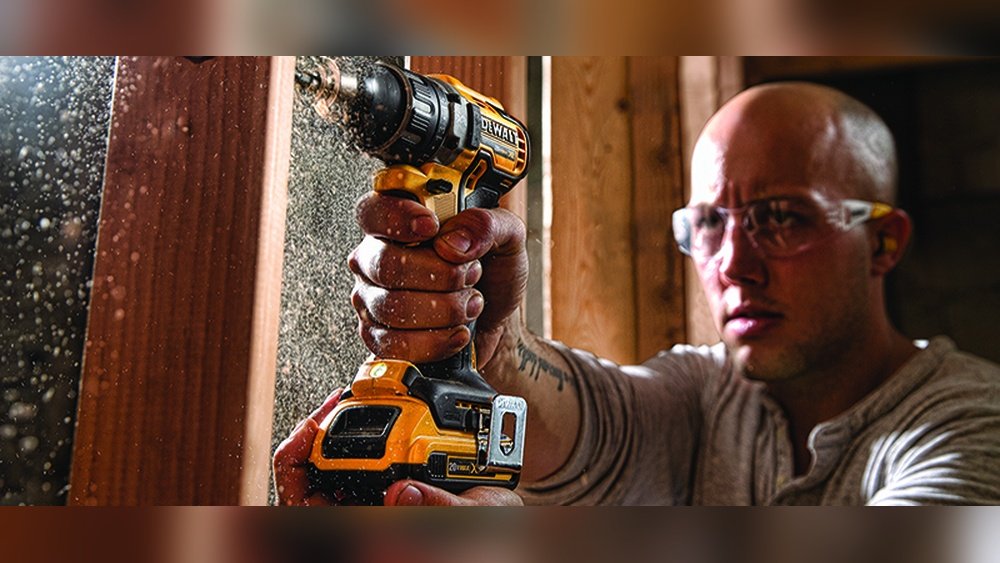
When you pick up a cordless drill, you might notice numbers like 12V, 18V, or even 20V on the label. But does the voltage really matter when you’re working on your projects?
You might wonder if a higher voltage means better power or longer battery life. Understanding this can save you time, money, and frustration. Keep reading to discover how the voltage of your cordless drill affects its performance—and how to choose the right one for your needs.
This knowledge will help you get the job done faster and easier.
Voltage Basics
Voltage is an important factor in cordless drills. It helps you understand the drill’s power and performance. Knowing voltage basics makes choosing the right drill easier. This section explains what voltage means and what common levels you might find.
What Voltage Indicates
Voltage shows the electric potential the battery can deliver. Higher voltage means more power available for tough jobs. It affects how fast and strong the drill can work. Voltage also impacts the drill’s weight and size. A higher voltage drill usually weighs more. Voltage alone does not tell the whole story, but it gives a quick idea of power.
Common Voltage Levels
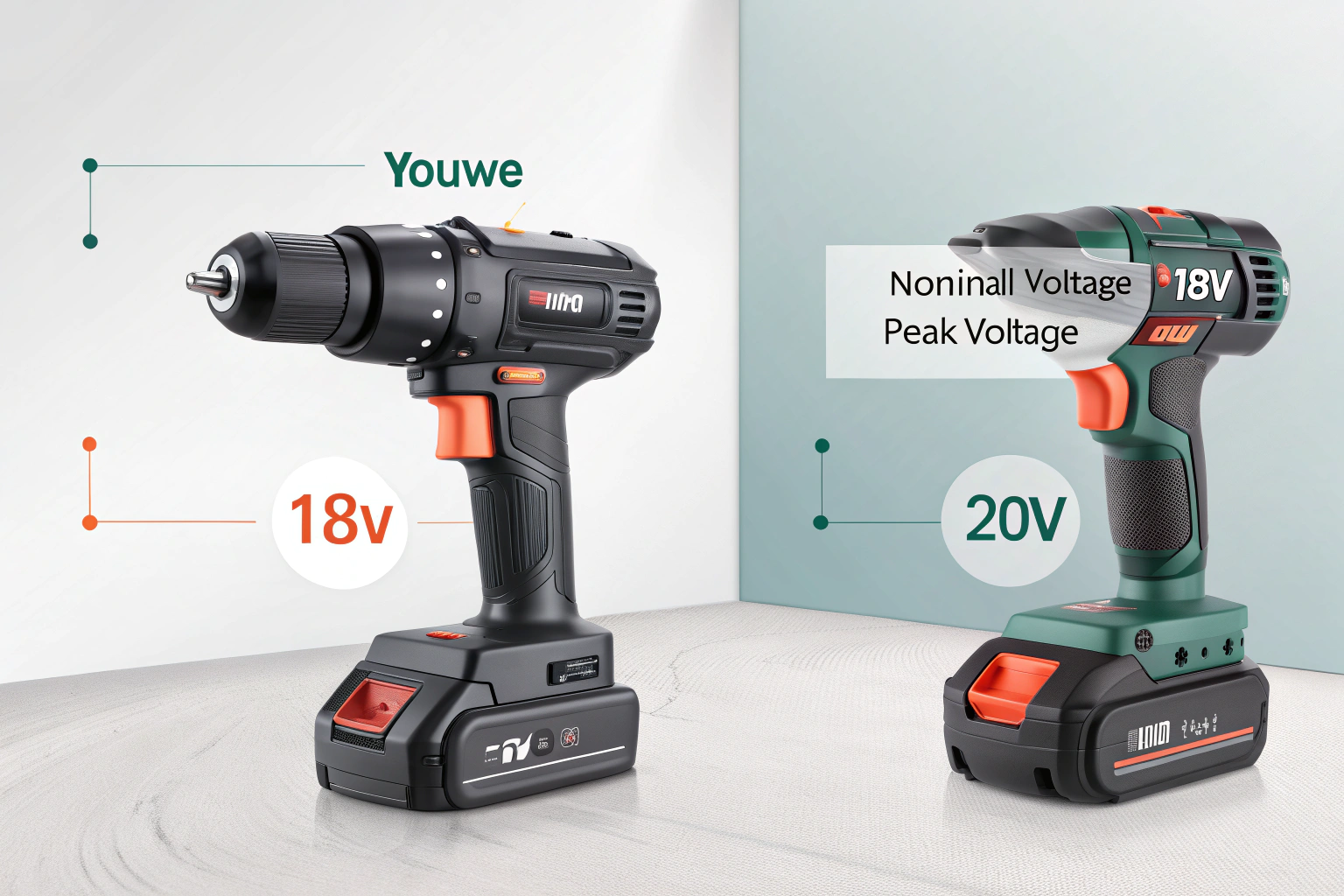
Most cordless drills come in a few standard voltage ranges. 12 volts drills are lighter and good for small tasks. 18 volts drills are popular for home and job site use. They balance power and battery life well. 20 volts and above offer more strength for heavy work. Choosing the right voltage depends on your projects and how often you use the drill.
Credit: wirelessdrill.com
Impact On Power
The voltage of a cordless drill directly affects its power output. Higher voltage usually means the drill can handle tougher jobs. Power helps the drill work faster and drill through hard materials. It is important to understand how voltage impacts the drill’s torque and speed. This knowledge helps in choosing the right drill for your needs.
Torque And Speed Relation
Torque is the drill’s twisting force. Higher voltage drills often provide more torque. This means they can turn screws or drill holes in harder materials with ease. Speed is how fast the drill spins. Voltage can also affect speed, but torque is more important for heavy tasks. Low voltage drills work well for light jobs, like hanging pictures.
Battery Life Considerations
Higher voltage drills usually use bigger batteries. Bigger batteries last longer but can be heavier. Low voltage drills have smaller batteries that drain faster. Battery life depends on the job’s difficulty and drill power. Choosing the right voltage balances power and battery life. This ensures the drill works as long as you need it.
Choosing The Right Voltage
Voltage plays a key role in cordless drill performance. It affects power, speed, and battery life. Picking the right voltage ensures the drill fits your needs. Too much power can be wasteful. Too little power can slow your work. Understanding voltage helps you make a smart choice.
Think about the tasks you plan to do. Also, consider where you will use the drill. Different jobs and locations need different voltage levels. This helps you save money and work efficiently.
Light Vs Heavy Duty Tasks
Low voltage drills, like 12V or 18V, suit light tasks. These include hanging pictures or assembling furniture. They are lighter and easier to handle. They also cost less and last longer on a single charge.
High voltage drills, such as 20V or above, fit heavy-duty tasks. Drilling into concrete or thick wood needs more power. These drills work faster and with less effort. They are heavier but deliver strong performance.
Indoor And Outdoor Use
Indoor projects often require less power. Low voltage drills work well in tight spaces. They are quieter and easier to control indoors. Battery life is usually enough for small jobs inside.
Outdoor use may need more voltage. Outdoor materials can be harder to drill. A higher voltage drill handles tough surfaces better. It also performs well in cold weather. This ensures the drill won’t slow down outside.
Credit: www.homedepot.com
Battery Types And Voltage
The battery type and voltage play a key role in a cordless drill’s performance. Voltage affects power and how long the drill can run. Different batteries offer various benefits and limits. Understanding these helps you choose the right drill for your tasks.
Lithium-ion Vs Nicad
Lithium-ion batteries are lighter and hold more charge. They provide steady power throughout use. NiCad batteries are older and heavier. They lose power more quickly and suffer from memory effect. Lithium-ion drills start faster and last longer per charge.
Charging Time And Efficiency
Lithium-ion batteries charge faster than NiCad batteries. They often reach full charge in under an hour. NiCad batteries may take several hours to charge fully. Lithium-ion also loses less energy while charging. Faster charging means less downtime and more work done.
Portability And Weight
Portability and weight are key factors when choosing a cordless drill. A drill that is light and easy to carry makes work faster and less tiring. The voltage of the drill plays a big role in its weight and size. Understanding this helps pick the right tool for your needs.
Heavy drills can slow down your work. Small jobs need a drill that feels comfortable in your hand. The right balance between power and weight improves your control and precision.
Voltage And Drill Weight
Higher voltage drills usually weigh more. These drills have bigger batteries to provide more power. Low voltage drills are lighter and smaller. They suit light tasks and tight spaces. Choosing voltage depends on how much weight you can handle.
Heavy drills tire your arm quickly. A 12V drill weighs less than an 18V model. Bigger batteries add weight but boost performance. Think about how long you will use the drill before deciding on voltage.
Ease Of Handling
Light drills are easier to handle for long periods. They reduce strain on your wrist and arm. This is good for detailed work or overhead jobs. A drill that feels balanced is safer and more accurate.
Heavier drills can be harder to control. They may cause fatigue faster. A well-designed drill with a good grip helps improve handling. Choose a drill that fits your hand size well.
Cost Factors
The cost of a cordless drill depends on several factors. One of the main factors is the voltage of the drill. Voltage affects the power and performance of the drill, which in turn affects its price. Understanding how voltage influences cost helps buyers make smart choices.
Price Variation With Voltage
Lower voltage drills usually cost less. They are ideal for light tasks like drilling small holes or assembling furniture. Higher voltage drills cost more because they offer more power and can handle tougher jobs.
For example, a 12-volt drill will be cheaper than a 20-volt model. The price difference reflects the extra power and battery capacity. Buyers should balance price and power needs carefully.
Long-term Investment
Buying a higher voltage drill can save money over time. These drills often last longer and work faster. They reduce the need to buy multiple tools for different jobs.
Higher voltage drills also come with better batteries. These batteries hold charge longer and need fewer replacements. Spending more at first can mean fewer costs later.
Safety And Maintenance
Safety and maintenance are key when using cordless drills. Higher voltage drills can be powerful but need careful handling. Proper care keeps your drill working well and safe over time. Neglecting safety or maintenance can cause accidents or damage.
Handling High Voltage Drills
High voltage drills deliver more power. This makes them useful for tough jobs. Hold the drill firmly to control it. Avoid forcing the drill into the material. Let the drill do the work at its speed. Wear safety glasses to protect your eyes. Keep hands away from the spinning bit. Stop using the drill if it feels hot or strange. Store it in a safe, dry place after use.
Battery Care Tips
Battery health affects drill performance and safety. Charge the battery fully before use. Avoid overcharging by unplugging when done. Store batteries in a cool, dry spot. Do not leave batteries in the drill long if unused. Clean battery contacts with a dry cloth. Use the charger made for your drill’s battery. Replace old or damaged batteries promptly. Proper battery care extends drill life and safety.
Credit: www.mobilityscootersdirect.com
Top Picks By Voltage
Choosing a cordless drill means understanding voltage. Voltage affects power, battery life, and tool weight. Different tasks need different voltages. Small jobs need less power. Big projects require more strength. Below are top picks by voltage to help choose the right drill.
Best Low Voltage Models
Low voltage drills range from 12V to 18V. They are lightweight and easy to handle. Ideal for light tasks like furniture assembly or hanging pictures. These models often have longer battery life for small projects. Perfect for beginners or occasional users. Low voltage drills offer good control and less fatigue.
Best High Voltage Models
High voltage drills usually have 20V or more. They deliver more power and torque. Great for heavy-duty jobs like drilling into concrete or wood. These drills handle large screws and tough materials with ease. They tend to be heavier and have shorter battery life. Best for professionals or frequent users needing strong tools.
Frequently Asked Questions
What Does Cordless Drill Voltage Indicate?
Voltage shows the power potential of a cordless drill’s battery. Higher voltage means more torque and drilling strength for tougher jobs.
Does Higher Voltage Mean Better Drill Performance?
Generally, yes. Higher voltage drills deliver more power and longer runtime, making them ideal for heavy-duty tasks.
Is A Low Voltage Cordless Drill Less Effective?
Low voltage drills work well for light tasks but may struggle with dense materials or prolonged use.
How Does Voltage Affect Battery Life In Cordless Drills?
Higher voltage batteries usually offer longer usage but may take more time to recharge fully.
Conclusion
Choosing the right voltage for a cordless drill affects its power and battery life. Higher voltage usually means more strength for tough jobs. Lower voltage drills weigh less and suit small tasks. Think about what work you need to do most.
Balance power with convenience and cost. The voltage matters, but so do other features. Pick a drill that fits your needs and budget well. This way, you get the best tool for your projects. Simple and smart choices make your work easier and better.
